
Logo
Get Estimate

Ice dam water damage restoration in Minnesota

Stop the leak, dry the structure, repair your home


Ice dam water damage restoration in Minnesota helps homeowners and property managers limit damage after roof ice buildup sends meltwater into ceilings, walls, or attics. We trace the water path, remove standing water, dry affected materials, and coordinate needed repairs. If you have ceiling stains, damp insulation, or a drip during a thaw, our Minnesota ice dam water damage restoration service addresses the moisture and the source before a small leak spreads.

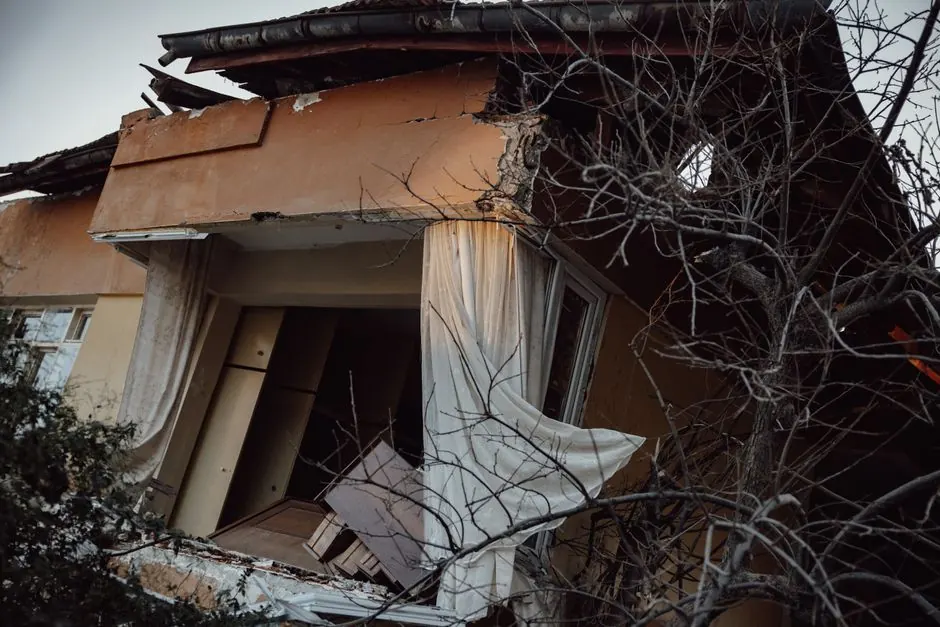
Exterior of a damaged house showing destruction from a natural disaster.
Licensed Licensed & Bonded
Fully Insured Insured & Bonded
24/7 Emergency Same-Day Response
Warranty Backed Workmanship Guaranteed

What restoration work covers

Ice dam water damage restoration focuses on the interior consequences of a roof leak: inspection, water removal, drying, and repair of affected materials. We identify where moisture traveled and explain which components can be dried and which need removal. Roof repairs, ice management, and broader remodeling are separate tasks when required; we identify those needs so the restoration plan is clear.

Moisture inspection and mapping

We inspect the leak area, nearby ceilings and walls, and accessible attic materials. Moisture readings help establish which surfaces and cavities are affected. You receive a practical explanation of the water path and where drying access is needed.
Water extraction and protection

We collect standing water, protect adjacent floors and belongings, and prepare the affected room for drying. If a ceiling section is saturated or unstable, we remove material needed for safe access rather than leaving water trapped above the finish.

Structural drying and monitoring

Air movers and dehumidification support drying of exposed framing and salvageable materials. We check moisture during the process and adjust equipment placement as needed. Drying commonly takes 2 to 5 days, depending on material depth and room conditions.

Interior damage repair

Once drying is verified, restoration may include replacing damaged drywall, restoring insulation, and preparing repaired surfaces for finishing. We distinguish completed interior restoration from roof or gutter repairs, which address the source of future water entry.

Ice dam water damage restoration in Minnesota


Ice dam water damage restoration in Minnesota is a property-restoration service that removes water, dries affected building materials, and repairs interior damage after an ice dam leak. We inspect the roof edge, attic, and rooms below the leak, then use moisture readings to identify wet drywall, framing, and insulation beyond visible stains. Water extraction and controlled drying come before cosmetic work. That order matters: closing a ceiling too early can trap moisture and lead to recurring damage.

Minnesota's freeze-thaw cycles create roof ice buildup when heat escapes into an attic, snow melts, and water refreezes at the eaves. A blocked gutter or frozen downspout can worsen the backup, but water may enter around roof flashing or under shingles before anyone sees a drip. We provide water damage cleanup after an ice dam Minnesota homeowners need after a storm or sudden thaw. Professional ice dam water damage restoration in Minnesota also checks concealed cavities, not just the obvious ceiling mark.

What to expect during restoration

Ice dam water damage restoration follows a clear sequence: inspect, control the water, extract, dry, and repair. We explain what we find before work begins and keep you informed as moisture readings change. The length of the job depends on the number of rooms, material layers, and whether the roof leak is still active.

01

Schedule

Call or book online — a real human picks up and confirms a 2-hour arrival window.

02

Diagnose

Licensed tech inspects on-site, then walks you through the cause and your options.

03

Fix

The job is completed to code and done right the first time — no shortcuts, no surprises.

04

Guarantee

Every job backed by a written workmanship warranty — and we stand behind it.

Tools and drying methods

Tools & Equipment

Moisture meter

We use a moisture meter to compare affected drywall, framing, and nearby dry areas. Readings help map the wet zone and track drying progress instead of relying on surface appearance.

FLIR infrared camera

A FLIR infrared camera can show temperature patterns that guide closer inspection around a ceiling or wall. We confirm suspected moisture with direct measurements because an image alone does not prove water is present.

Dri-Eaz air mover

A Dri-Eaz air mover directs airflow across exposed materials to support evaporation. We position and adjust units for the room layout, keeping circulation focused on the affected surfaces.

Phoenix Restoration Equipment dehumidifier

A Phoenix Restoration Equipment dehumidifier removes moisture from the air during structural drying. We size and run equipment according to the affected area and monitor conditions through the drying period.

Werner extension ladder

A Werner extension ladder supports controlled access when inspection requires reaching an appropriate exterior or attic access point. We assess footing, weather, and fall hazards before any ladder work.

Methods & Standards

Moisture mapping

We compare readings across the visible stain, adjacent surfaces, and accessible framing to define the affected boundary. That map informs equipment placement and repair access. Rechecking the same locations gives us a useful progress record and helps confirm when drying is complete.

Controlled structural drying

Air movement and dehumidification are arranged to remove moisture from affected materials without simply heating the room. We monitor conditions and make adjustments as readings change. Drying commonly runs 2 to 5 days, with duration affected by material thickness, trapped cavities, and water volume.

Safety-led access planning

Ice and snow make roof edges, gutters, and ladders hazardous. We select access methods based on conditions and follow OSHA fall protection requirements and OSHA ladder safety requirements. Interior restoration proceeds without unnecessary roof access when the inspection can be completed safely from inside.

When to call for restoration

01

A winter thaw brings a fresh drip through an upstairs ceiling or around a window wall.

What we do: Call while the leak is active so we can protect the room, locate the affected area, and determine whether water is continuing to enter. We inspect the attic and ceiling cavity, then arrange extraction and drying. Roof-side attention may be needed alongside interior work to prevent repeated wetting.

→ You get a controlled work area, a mapped moisture zone, and a restoration plan that addresses the wet materials rather than only the visible drip.

02

A stain has returned after repainting, but the roof appears clear from the ground.

What we do: We check moisture around the stain and inspect accessible attic materials for a concealed leak path. A roof edge can hold ice or water even after the main storm has passed. Our findings help determine whether the issue is residual moisture, a continuing roof opening, or both.

→ You know whether the ceiling is ready for repair and what needs to change above it to prevent the mark from coming back.

03

A property manager finds water damage in an upper-floor unit after a snowstorm.

What we do: We document affected rooms, protect occupants' belongings, and check whether water has crossed into adjacent units or common areas. Drying equipment is selected for the size of the affected zone, with access coordinated around residents. We record progress so repair decisions are based on measured conditions.

→ The affected areas are identified and dried in a planned sequence, reducing uncertainty for residents and property staff.

04

A spring inspection reveals wet attic insulation after repeated freeze-thaw weather.

What we do: We inspect beneath the roof edge, check nearby framing, and trace staining toward the likely entry point. Damp insulation is evaluated for drying or removal, and the interior below is checked for hidden damage. We explain which materials need restoration and which require roof-side correction.

→ You address concealed winter damage before closing the attic or repainting the rooms below, with a clear record of the affected materials.

How restoration works across Minnesota

Minnesota's winter weather puts homes through snow accumulation, daytime melt, and overnight refreezing. That cycle can create an ice dam even when the roof looked clear the previous week. In the Twin Cities, we often find water entering near eaves and traveling through attic insulation before appearing as a ceiling stain; farther north, longer cold periods can keep roof edges and downspouts frozen between thaws. Our Minnesota restoration for ice dam leaks starts with the building, not a standard equipment package. We check roof access, attic ventilation conditions, and the materials affected, then plan drying around the home's layout. If you need drying and moisture remediation after roof ice dam leaks, we trace moisture into adjoining ceilings and walls before closing the assembly. Work in occupied homes also requires clear access paths and protection for furnishings. Ice and snow affect safe exterior access, so we follow applicable OSHA ladder and fall-protection requirements. Whether the property is a compact older home or a larger multi-level residence, we document the moisture and explain the next step in plain language.

Neighborhoods We Serve

  • Plymouth homes

    Large roof areas and finished upper levels can hide a leak path. We check the attic above the stain and nearby rooms so drying covers the full affected zone.

  • Edina properties

    Older homes may have layered finishes or remodeled attic spaces. We assess the construction before opening a ceiling, then create only the access needed to dry concealed materials.

  • Northfield residences

    Thawing and refreezing can leave roof-edge water problems after snowfall. We look for recurring stains and inspect attic insulation instead of assuming the leak has stopped.

  • North Mankato homes

    Water entering at an upper roof edge can run along framing before reaching a lower ceiling. Our inspection follows that path and checks adjacent materials for hidden moisture.

Local Conditions We Plan For

  • Fast temperature swings melt snow by day and refreeze runoff overnight.

    A leak can pause and restart, so one dry-looking inspection point does not always show the full pattern. We check nearby surfaces and ask when drips occur to map the affected area.

  • Deep snow and ice limit safe access to roof edges and gutters.

    Exterior inspection and source control must account for slippery surfaces and falling-ice hazards. We prioritize safe access and can begin interior protection, extraction, and drying while roof-side work is planned.

  • Older attics may have uneven insulation and concealed air paths.

    Warm air reaching the roof deck can contribute to uneven melting, while wet insulation hides water movement. We inspect accessible attic areas and determine whether drying or material removal is needed before repairs.

Bedroom ceiling leak after thaw

Before

A homeowner noticed a brown ceiling mark grow from roughly 8 inches to 20 inches over two thaw cycles. The paint looked dry, but attic insulation above the room was damp and the drywall felt soft near the outside wall. A bucket caught occasional drips, while the leak path remained uncertain.

After

We traced moisture into the attic edge, removed the saturated section needed for access, and set drying equipment. Readings were checked over 4 days before drywall repair began. The affected ceiling area was restored, and the roof-side concern was identified for correction rather than covered with paint.

Maintenance: After roof-side correction, watch the same ceiling during the next thaw and check the attic edge after heavy snow. Keep a dated photo of any new stain so changes are easy to compare.

Before

Water entered near an upper roof detail and followed framing into a hallway wall. The stain covered about 3 square feet, but a moisture check found damp drywall beyond its visible edge. The home's occupants were concerned about closing the wall before knowing whether the framing had dried.

After

We opened a controlled section, removed unsalvageable drywall, and dried the exposed area with air movement and dehumidification. Monitoring continued for 3 days, with readings guiding the repair timing. The restored wall was ready for finish work after the moisture trend had cleared.

Maintenance: Keep roof flashing and drainage paths under observation after winter storms. If a stain returns or the wall develops an odor, arrange another moisture check before repainting.

Before

A spring attic check found compressed, damp insulation along the eaves, though no water had reached the living-room ceiling. The wet area extended about 6 feet along one roof edge. Without opening the assembly, it was unclear whether nearby framing had also taken on moisture.

After

We inspected the accessible roof edge, mapped moisture, and removed insulation that could not be dried in place. Drying equipment treated exposed materials, and readings were monitored for 5 days. The attic was restored only after the remaining structure tested dry and the entry point had been addressed.

Maintenance: After the roof issue is corrected, inspect the attic after major thaw periods and look for renewed compression or staining. Keep insulation clear of required ventilation paths.

Restore a home after ice dam water intrusion

Ice dam water can travel along framing and appear far from the roof entry point. We inspect beyond the visible stain, remove trapped water, and dry affected assemblies before repairs. That approach helps you address the actual wet area rather than treating only the mark left on a ceiling.

Problem

A ceiling stain grows after each overnight freeze and daytime thaw.

Repeated wetting can soften drywall and spread moisture into insulation or framing, making the repair area larger than the original stain.

Our Fix

We check the ceiling and accessible attic for active moisture, trace the likely water path, and identify whether the leak source still needs roof attention. We then extract water, open affected areas where needed for access, and dry materials before finishing. You get a clear separation between stopping the leak and repairing the room.

Problem

Attic insulation feels damp or appears compressed beneath the eaves.

Wet insulation loses performance and can hold moisture against nearby wood, while the damage remains hidden from rooms below.

Our Fix

We inspect the affected attic area, record moisture conditions, and determine which insulation can be dried and which requires removal. Drying equipment is positioned to reach exposed materials without masking the problem. If roof flashing or another entry point is involved, we flag that source for correction before the assembly is closed.

Problem

Water drips through a light fixture or ceiling seam during a thaw.

Water near electrical fixtures and a sagging ceiling requires prompt attention; waiting can increase material failure and damage furnishings below.

Our Fix

We help protect the room, collect active water, and inspect the ceiling cavity and attic for the extent of intrusion. We avoid treating a wet fixture area as a cosmetic stain. After the leak is controlled, we extract, dry, and repair affected materials in the proper sequence.

Problem

The ceiling looks dry, but a musty odor remains in the room.

An odor can point to moisture left in a closed cavity or insulation, even when the painted surface no longer looks wet.

Our Fix

We take moisture readings around the original leak and inspect accessible cavities for hidden structural moisture. If testing finds damp materials, we create access, remove unsalvageable sections, and dry the remaining structure. This prevents a clean coat of paint from concealing an unresolved moisture issue.

A drier home and clearer next steps

A drier home and clearer next steps

Ice dam leaks need more than a bucket and a coat of paint. We focus first on stopping active water and protecting your home's structure, then document moisture and explain the repairs. You get a practical plan based on what is wet, how far the water traveled, and whether the roof opening remains active.

  • Find hidden moisture

    A ceiling stain shows where water became visible, not necessarily where it traveled. We map affected areas with a moisture meter and inspect adjacent attic insulation and framing. Readings from multiple points help us distinguish a damp surface from hidden structural moisture, so you do not pay to replace dry materials or leave wet ones behind.

  • Dry before rebuilding

    We place air movers and a commercial dehumidifier according to room size, material type, and measured moisture. Drying often takes 2 to 5 days, with readings checked as the job progresses. Your drywall stays open only where needed for access, and repairs follow once the affected structure reaches an appropriate dry condition.

  • Limit secondary damage

    Water left in a ceiling cavity can soften drywall, stain finishes, and affect insulation. We remove unsalvageable wet materials, protect furnishings, and keep airflow directed at the damp area. If you call while the leak is active, prompt extraction and drying reduce the time moisture sits in your home.

  • Separate roof and room work

    Restoration addresses interior water damage; stopping the roof leak may require a separate roof repair or ice-management step. We identify the likely entry point and explain the connection. That distinction helps you coordinate the right work instead of repainting a ceiling while water is still entering above it.

Standards and work practices

Licensed & Certified

  • Water Damage Restoration Technician — issued by Institute of Inspection, Cleaning and Restoration Certification
  • Applied Structural Drying — issued by Institute of Inspection, Cleaning and Restoration Certification
  • Applied Microbial Remediation Technician — issued by Institute of Inspection, Cleaning and Restoration Certification
  • OSHA fall protection and ladder safety training — issued by Occupational Safety and Health Administration requirements

Verified Reviews

Customer feedback Not displayed

A homeowner described a winter ceiling leak that spread beyond the first stain. The restoration crew inspected the attic, documented moisture, and explained why drying needed to happen before drywall repair. The practical sequence helped the homeowner understand what was being removed and what could remain.

Customer feedback Not displayed

A family reported damp insulation after a thaw and appreciated that the inspection went beyond the visible ceiling mark. The team checked the affected area, ran drying equipment, and explained when readings supported moving forward with repairs.

Customer feedback Not displayed

A property owner needed help after water entered an upper-floor room during winter weather. The crew protected the space, identified the moisture path, and made clear that interior drying and roof-side leak correction were connected but different parts of the work.

Restoration knowledge that matters

Our work combines water-damage assessment with practical understanding of Minnesota roofs, attics, and winter leak patterns. We follow IICRC Water Damage Restoration Technician principles for assessing and drying affected materials, and use documented moisture checks rather than appearance alone. Roof access and ice management are treated as safety-critical work. We plan around snow, freeze-thaw conditions, and the home's construction, then explain what is restoration and what requires roof repair.

  • IICRC Water Damage Restoration Technician practices guide assessment, extraction, drying, and documentation for water-affected homes.
  • Moisture readings are taken across affected areas and rechecked during drying instead of relying on a ceiling stain's appearance.
  • Roof access is planned around OSHA fall protection requirements and OSHA ladder safety requirements.
  • We look for wet attic insulation, roof flashing paths, and water-damaged drywall before closing a wall or ceiling.
  • If older painted surfaces are disturbed, EPA lead-safe work practices apply where applicable.
Get Started Today
Restoration knowledge that matters

Cities we serve across Minnesota

Our Minnesota ice dam water damage restoration service reaches homes and properties across metro, southern, northern, and regional communities. We coordinate inspection, extraction, drying, and interior repair based on the conditions at your property, not a one-size-fits-all route. Whether you are in a dense neighborhood or a rural community, tell us where the water appeared and whether it is still active. We will help identify the restoration steps your home needs.

Plymouth

In Plymouth, we inspect upper-level ceilings and attic edges for water that traveled beyond the first stain, then dry and repair the affected rooms.

Edina

Edina homes can have varied roof and attic construction. We check the leak path and moisture extent before opening finishes or planning repairs.

Roseville

For Roseville properties, we protect the affected room, assess ceiling and wall moisture, and monitor drying before interior finishes are restored.

Elk River

Elk River winter leaks may involve attic insulation and roof-edge water paths. We inspect accessible areas and set drying equipment to match the affected space.

New Brighton

In New Brighton, we trace water stains into adjacent ceiling and wall areas so hidden moisture is not left behind during repair.

Northfield

Northfield homeowners can call after a thaw-related drip or a recurring ceiling stain. We map the moisture, dry affected materials, and explain needed repairs.

Ham Lake

We help Ham Lake property owners address attic and room damage after ice-related roof leaks, with moisture checks guiding removal and drying.

North Mankato

For North Mankato homes, we follow water from the upper roof area into framing, ceilings, or walls and restore the materials affected.

Vadnais Heights

In Vadnais Heights, our inspection looks beyond visible discoloration to identify damp drywall, insulation, and other materials requiring controlled drying.

Little Canada

Little Canada service includes protecting the room, checking accessible attic areas, and verifying moisture conditions before ceilings are closed.

Mound

Mound homeowners receive an assessment of the leak path and affected interior materials, followed by extraction, drying, and repair as needed.

Albertville

In Albertville, we assess roof-leak damage in attics and finished rooms, then adjust drying equipment to the size and construction of the affected area.

Spring Lake Park

We check Spring Lake Park ceilings and adjoining walls for moisture spread, documenting readings so repairs follow completed drying.

Chisago City

For Chisago City properties, we respond to winter leak damage with a practical inspection of visible stains and accessible attic materials.

Falcon Heights

Falcon Heights restoration begins with protecting the affected space and tracing the water path, then drying materials before finish repairs.

Frequently Asked Questions

Real answers to the questions we hear most often from local homeowners and property managers.

What happens first during ice dam water damage restoration?
The first step is a leak and moisture inspection, usually completed in 30 to 90 minutes for a typical affected area. We locate active water, protect nearby contents, and map wet materials with a moisture meter. If water is still entering, we address immediate containment and identify the roof-side work needed. Extraction and drying follow; repairs wait until moisture checks show the structure is ready.
How quickly should water damage from an ice dam be dried?
Begin extraction and drying as soon as possible, ideally within 24 to 48 hours of water intrusion. Wet drywall, insulation, and framing can deteriorate while moisture remains trapped, especially in a closed ceiling cavity. We inspect promptly, remove materials that cannot be dried in place, and monitor readings during a drying period often lasting 2 to 5 days. The exact duration depends on the materials and the amount of water.
Does homeowners insurance cover ice dam water damage in Minnesota?
Coverage depends on your policy, the cause of the damage, and its exclusions; there is no single rule for every Minnesota home. Many policies distinguish sudden interior water damage from maintenance issues or gradual deterioration. Photograph the stain and affected contents, keep receipts, and contact your insurer. We document visible damage and drying work to help you describe the loss, but your insurer makes the coverage decision.
How much does ice dam water damage restoration cost?
A small, contained room can cost roughly $500 to $2,500, while multi-room or attic damage can range from $2,500 to $10,000 or more. The 2026 price depends on extraction volume, affected materials, drying days, access, and repairs. Minnesota water damage cleanup after an ice dam leak may also involve roof-side work priced separately. We explain the cost drivers and provide upfront pricing before restoration work proceeds.

Related Winter Damage Services

Ice Dam Removal

Removing an ice dam addresses the roof-edge blockage contributing to backup, while restoration handles water already inside your home. We assess whether ice management is needed alongside drying, so the leak source does not continue undermining ceiling or attic repairs.

View Ice Dam Removal

Emergency Ice Dam Removal

A sudden interior drip during a thaw calls for quick attention to both water and the roof edge. Emergency ice dam work can reduce continued intrusion; our restoration process then extracts water, checks hidden moisture, and dries the affected rooms.

View Emergency Ice Dam Removal

Steam Ice Dam Removal

Controlled steam can clear ice at the eaves without the impact of striking the roof. When an ice dam has already caused a leak, steam work addresses the exterior blockage while restoration dries the interior materials and repairs water damage.

View Steam Ice Dam Removal

Roof Snow Removal

Excess roof snow adds load and supplies meltwater that can refreeze at cold eaves. Roof snow removal may reduce that source of water; we separately inspect and restore any ceiling, wall, or attic materials already affected by an ice dam leak.

View Roof Snow Removal

Gutter Ice Removal

Gutter ice can obstruct drainage and contribute to water backing up at the roof edge. Clearing the blockage addresses an exterior drainage problem, while our restoration work handles wet insulation, stained ceilings, and other interior damage already caused.

View Gutter Ice Removal

Gutter and Downspout Clearing

A clear drainage path helps meltwater move away from the roof and foundation. We can connect gutter and downspout concerns to the leak inspection, then restore interior materials affected by water that entered during a blockage or freeze-thaw cycle.

View Gutter and Downspout Clearing

Get Ice Dam Water Damage Restored

A spreading ceiling stain or active drip needs a moisture check, not just fresh paint. Our team will help you identify the affected area and the next restoration step. Call Minnesota Ice Dam Pros to discuss your leak and arrange service.

Call Now Request Service

Contact Minnesota Ice Dam Pros

Call +1 612-555-0100 for ice dam removal or frozen pipe help across Minnesota. We take urgent calls around the clock and respond with practical questions about the leak, roof access, or water service so we can direct the right crew. Share your community and what you see; we will explain the next step and pricing before work starts.

Or call us right now at +16125550100 — we answer.

Minnesota Ice Dam Pros


  • Phone

    +16125550100
  • Address

    Minnesota

  • Hours

    Mon–Fri: 7AM – 7PM
    Sat: 8AM – 4PM
    Sun: Emergency Only
    24/7 Emergency Available

Call +16125550100 Get Quote
Call Quote