Logo
Get Estimate

Ice dam roof leak repair in Minnesota that stops leaks

Find the entry point, protect your home, repair the roof


Ice dam roof leak repair in Minnesota helps homeowners stop water entering beneath roof shingles, flashing, or other vulnerable roof details. Our Minnesota ice dam roof leak repair service addresses the leak source and the resulting interior moisture, whether you see a fresh ceiling stain or water dripping during a thaw. We inspect the roof and attic, control active water, and explain the repair steps so you know what happens next.

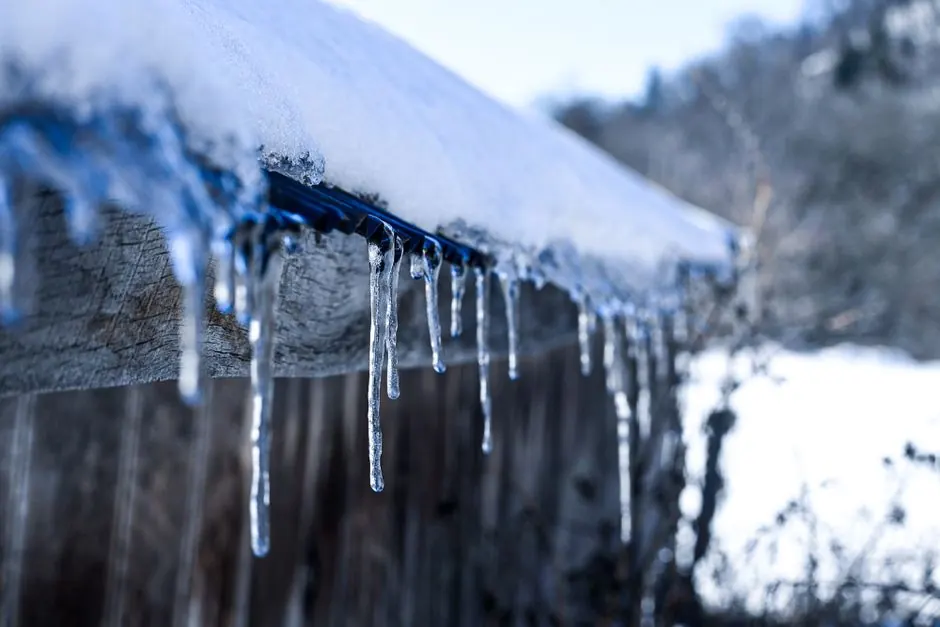
Close-up of icicles hanging from a snow-covered roof in a winter landscape, showcasing cold weather.
Licensed Licensed & Bonded
Fully Insured Insured & Bonded
24/7 Emergency Same-Day Response
Warranty Backed Workmanship Guaranteed

What Roof Leak Repair Includes

Our service covers locating the ice-dam-related entry point, controlling active water where safe, and repairing the affected roof details when conditions support lasting work. We inspect related attic and interior symptoms so a leak is not treated as a surface-only problem. Drying or reconstruction for extensive water-damaged drywall, insulation, or framing is addressed as part of the restoration plan when needed.

Roof Leak Source Inspection

We examine roof shingles, valleys, flashing, edges, and accessible attic areas to trace the water path. You see which roof detail is implicated and whether the visible ceiling stain aligns with it. This inspection guides the repair instead of relying on the location of the indoor mark alone.

Active Water Protection

For a current drip, we help limit water reaching floors, furnishings, and electrical areas while the roof is assessed. We use a practical temporary control approach appropriate to conditions, then explain whether permanent repair can proceed immediately or needs a safer weather window.

Targeted Roof Repair

We repair affected shingles, flashing, or adjacent roof details identified during inspection. The work is matched to the roof material and current temperature, with attention to avoiding additional damage from forceful ice removal. We check the repaired area before closing out the roof portion.

Interior Moisture Review

We check visible stains and affected attic or ceiling materials for signs of lingering moisture. A moisture meter can support the assessment, and we identify wet insulation or drywall that needs drying or restoration. This gives you a clear picture beyond the exterior repair.

Ice Dam Roof Leak Repair in Minnesota


Ice dam roof leak repair in Minnesota is a roof-and-interior service that locates and repairs water entry caused by ice dams, then addresses moisture left behind. We trace the leak around roof shingles, roof flashing, valleys, and penetrations rather than treating a ceiling stain as the source. Where safe access allows, we document roof conditions, check attic insulation and underlayment exposure, and protect the room below. The repair may include temporary water control followed by permanent roofing work once ice and snow conditions permit safe, sound installation.

Minnesota's long freeze-thaw season creates repeated roof ice buildup: heat escapes into the attic, snow melts, and runoff refreezes at colder eaves. Water can back up beneath shingles, saturate insulation, and mark drywall even after outdoor temperatures rise above freezing. If you are wondering what to do about a roof leak caused by an ice dam in Minnesota, move belongings, catch drips, and call for inspection; we trace the path and address the roof opening rather than simply repainting the stain.

What to Expect From Repair

Ice dam roof leak repair in Minnesota follows a practical sequence: make the area safer, trace the water, protect your interior, and repair the roof when conditions support durable work. We keep you informed as the job moves from active leak control to final checks. A small visible stain does not always mean a small roof path.

01

Schedule

Call or book online — a real human picks up and confirms a 2-hour arrival window.

02

Diagnose

Licensed tech inspects on-site, then walks you through the cause and your options.

03

Fix

The job is completed to code and done right the first time — no shortcuts, no surprises.

04

Guarantee

Every job backed by a written workmanship warranty — and we stand behind it.

Tools and Repair Methods

Tools & Equipment

Low-pressure steam generator

We use controlled steam to loosen roof ice where conditions and roof material make it suitable. It reduces reliance on chopping, which can damage shingles, flashing, and gutters.

Moisture meter

A moisture meter helps us compare suspect drywall, insulation, or framing with nearby areas. Readings guide drying decisions but are interpreted alongside visual inspection and building conditions.

Roof rake

A roof rake can remove accessible snow from the ground, reducing snow available to melt and refreeze at the eaves. We use it carefully to avoid pulling shingles or damaging gutters.

Werner extension ladder

A properly positioned extension ladder supports access when the ground and roof conditions allow it. We follow OSHA ladder safety requirements and do not treat an icy setup as acceptable access.

Dri-Eaz air mover

An air mover supports circulation across water-affected surfaces after the leak is controlled. We pair airflow with moisture checks and suitable drying conditions rather than directing air at materials without assessment.

Methods & Standards

Source-first roof tracing

We start at the visible interior symptom, then inspect the likely roof and attic route. Eaves, valleys, penetrations, and flashing are checked against the stain location because water can travel along framing. This approach identifies the entry point before we recommend surface finishing or broader restoration.

Controlled ice reduction

We select steam or safe snow removal based on roof material, ice position, and access. We avoid impact tools and open flame because they can damage roofing or create additional hazards. The goal is to reduce water backup while preserving the roof surface and drainage components.

Moisture-aware closeout

After the roof repair, we review affected interior materials and use moisture readings where appropriate. If wet drywall or insulation remains, we identify drying or restoration needs instead of calling the job complete based only on a stopped drip. This links exterior repair to the home's actual condition.

When to Call for Leak Repair

01

You see a fresh ceiling stain or active drip while daytime temperatures rise above freezing.

What we do: Call us to trace the water source before the stain spreads. We inspect the roof edge and attic where safe, protect the interior, and determine whether the leak needs immediate control or a permanent repair. If water is close to a light fixture, keep clear of the area.

→ You learn whether the roof is still feeding water indoors, which materials are wet, and what action stops further damage.

02

A second thaw brings back a leak that seemed to stop after the first snowfall melted.

What we do: We check for a recurring ice dam path, blocked drainage, and damaged flashing or shingles. Our crew addresses the active obstruction safely, then repairs the roof detail and reviews the attic for moisture that remained from the earlier leak.

→ The repeat leak gets a source-focused repair plan rather than another temporary patch over the same symptom.

03

You discover wet insulation or a musty attic area after ice formed along the eaves.

What we do: We inspect the affected roof section and attic materials, using moisture assessment to separate damp insulation from dry areas. We stop roof entry first, then explain drying or restoration steps for insulation, drywall, or framing that has taken on water.

→ You have a defined path from roof repair to drying, with affected materials identified instead of concealed.

How Repair Works Across Minnesota

Minnesota ice dam roof leak repair service has to account for regional temperature swings, snow depth, wind exposure, and the roof's age and design. In October, we help homeowners prepare before winter by checking vulnerable roof edges and drainage; during the cold season, safe access and brittle shingles can change the method. Northern communities often hold snow and ice longer, while southern freeze-thaw cycles can repeatedly send meltwater toward the eaves. We plan around those conditions, not a fixed calendar assumption. Older homes, additions, vaulted ceilings, and varied attic insulation can create uneven roof temperatures. We inspect the actual assembly and look for wet or compressed insulation, roof underlayment exposure, and flashing failures. If you need emergency repair for an ice dam roof leak Minnesota weather can make immediate access unsafe, so we first control interior water and choose a safe exterior plan. Roofing work must also respect applicable local requirements and manufacturer installation conditions; we do not invent a single statewide roof code rule for every building. From metro neighborhoods to rural communities, we coordinate inspection, roof repair, and moisture review as one response. You get findings specific to your house, the weather, and the materials involved.

Neighborhoods We Serve

  • North Loop

    Low-slope transitions and roof penetrations can create distinct leak paths; we inspect those details instead of assuming every stain starts at the eave.

  • Summit-University

    Older roof assemblies and additions can have varied insulation and flashing details, so attic access helps trace water beyond the visible ceiling mark.

  • Canal Park

    Lake-influenced snow and wind can load roof edges unevenly; we assess exposure and safe access before selecting an ice-control method.

Local Conditions We Plan For

  • Repeated freeze-thaw cycles drive meltwater beneath colder roof edges

    A brief daytime thaw can send water toward an ice-blocked eave, then refreezing keeps drainage restricted overnight. We check for recurring entry and make sure a repair addresses the roof detail as well as the immediate backup.

  • Deep snow and cold roof surfaces complicate safe access

    Snow loading, slick ladders, and brittle shingles affect what work can be done safely. We may control water indoors first and schedule roof repair when access and installation conditions support a durable result.

  • Attic heat loss creates uneven roof temperatures

    Poor or compressed insulation and air leakage can warm sections of the roof unevenly, feeding meltwater above colder eaves. We note these conditions during inspection so you understand why a leak may recur without attention to the contributing attic factors.

Thaw Leak at the Eaves

Before

A homeowner saw a ceiling stain grow during afternoon thawing, although the room was dry by morning. Ice had packed the gutter and meltwater backed under the roof edge. The visible stain sat several feet from the likely entry point, making a surface-only patch a poor fix.

After

We traced the path from the eave to the attic, controlled the water, and repaired the affected roof detail once access was safe. The active drip stopped, and moisture checks identified the damp interior area for drying. The homeowner left with a clear roof and room follow-up plan.

Maintenance: Keep drainage paths clear before freeze-up and watch the same ceiling area during the next thaw. If a fresh stain appears, report it early rather than waiting for drywall to soften.

Before

A small brown mark near a bedroom wall looked inactive, but the attic insulation above it was compressed and damp. Water had followed framing from an ice-dam entry point, so the stain did not sit directly below the roof opening.

After

We identified the roof path, repaired the affected flashing area, and documented the damp insulation and interior materials. The leak stopped after repair, and drying was directed to the affected area rather than the entire attic. The homeowner could distinguish the roof fix from the interior restoration work.

Maintenance: Check the attic after major thaw periods if it is safely accessible, and look for damp insulation, darkened framing, or new odor. Do not walk on ceiling material or disturb suspected hazardous finishes.

Before

Ice in the gutter and downspout held meltwater at the eave. Water appeared at a ceiling corner during a warm spell, then returned after another snowfall despite the first drip stopping.

After

We cleared the drainage obstruction using a controlled method, inspected shingles and roof flashing, and repaired the water-entry point. The drainage path was restored, and the repeated indoor drip stopped. The homeowner received specific signs to monitor through later freeze-thaw cycles.

Maintenance: Before winter, check that downspout outlets are open and gutters are not packed with debris. Do not pour boiling water onto frozen roof components or climb an icy ladder to clear a blockage.

Solve the Leak Before It Spreads

Ice dams can turn a small roof opening into a growing interior problem as meltwater repeatedly backs up. We trace the entry point, reduce ongoing water exposure, and identify materials that need drying. If you need repair roof damage after ice dam water intrusion Minnesota homes face each winter, we connect the roof fix with the moisture findings.

Problem

Water drips through a ceiling during daytime thawing

Repeated meltwater can enlarge the stain, soften drywall, and reach insulation or framing even when the drip pauses overnight.

Our Fix

We inspect the roof edge and nearby flashing, then follow the likely water path through the attic where access is safe. We control active water, repair the roof detail when conditions permit, and check the interior for damp materials. You receive a clear explanation of what stopped the entry and what needs drying.

Problem

A ceiling stain grows after the roof appears dry

Water can remain trapped in insulation or travel along framing, leaving hidden moisture that becomes apparent well after outdoor ice melts.

Our Fix

We compare the stain with attic and roof conditions rather than assuming the visible mark identifies the source. Moisture readings help us assess affected areas, and we outline drying or drywall repair where needed. That sequence keeps interior finishing from covering material that is still wet.

Problem

Ice blocks gutters and water backs under shingles

Gutter ice blockage and frozen downspouts restrict drainage, holding meltwater at the eaves and increasing pressure on roof-edge details.

Our Fix

We assess the drainage route and clear ice using a method appropriate to the roof and access. Afterward, we inspect the eave and flashing for water entry and repair affected areas. Restoring drainage helps reduce backup, while the roof repair handles damage that has already occurred.

Repairs That Protect Your Home

Repairs That Protect Your Home

A leaking roof needs a source repair and a clear plan for wet materials inside. We focus on stopping continued entry, reducing avoidable damage, and leaving you with specific findings rather than a guess based on the visible stain. You will know which area was affected and what needs follow-up.

  • Stop Active Water Entry

    We identify the likely entry point at the eave, valley, flashing, or roof transition and control the leak. Our roof repair for ice dam leaks Minnesota homeowners need prioritizes the opening that is feeding water indoors, not cosmetic work over a wet surface. You get a direct explanation of the repair and what conditions must be safe for permanent roof work.

  • Limit Interior Damage

    Water can travel along rafters before it appears on a ceiling, so we inspect beyond the stain. A moisture meter helps distinguish damp drywall from a dry area, while an air mover or commercial dehumidifier supports drying when appropriate. That reduces the chance that wet insulation or hidden structural moisture is left unaddressed.

  • Protect Roof Materials

    Ice removal around a leak must not tear roof shingles or bend metal roofing. We select a controlled approach for the roof material and current conditions, then check flashing and the drainage path. This care matters especially when brittle cold-weather shingles could split under force or when gutters remain blocked.

  • Give You Clear Findings

    We document the affected roof area, visible interior symptoms, and moisture readings where useful. You can distinguish urgent water control from repair work that should wait for safer temperatures. If drywall or insulation needs separate attention, we point out the affected materials so you can plan the next step without guessing.

Roof Leak Repair Expertise

Our technicians handle the connected problems behind an ice dam leak: roof entry, attic moisture intrusion, and water reaching ceilings or walls. We use local experience with Minnesota roof designs and changing winter conditions to choose a safe response, not a one-method-fits-all approach. Training relevant to the work includes IICRC Water Damage Restoration Technician and Applied Structural Drying practices for water-affected building materials. We follow OSHA ladder and fall-protection requirements and NRCA roofing safety guidance when assessing access and work at height. We explain the findings in plain language and identify the next repair step.

  • We inspect shingles, flashing, roof edges, and attic conditions to distinguish the leak source from the place water appears indoors.
  • Our water-damage approach considers wet or compressed attic insulation, damp drywall, and concealed moisture rather than surface staining alone.
  • We select steam, snow removal, or temporary water control according to roof material, access, and freeze-thaw conditions.
  • We use moisture readings and visual documentation to help you understand what is wet and what has dried.
  • We follow OSHA fall protection requirements and NRCA roofing safety guidance when planning work on winter roof surfaces.
Get Started Today
Roof Leak Repair Expertise

Frequently Asked Questions

Real answers to the questions we hear most often from local homeowners and property managers.

How do I stop an ice dam roof leak in Minnesota?
To stop an ice dam roof leak in Minnesota, catch interior drips, move valuables, and arrange roof inspection as soon as possible. Do not climb onto an icy roof or chip at shingles. We trace water entry around the eaves, flashing, and roof transitions, then select safe water control and repair steps. If water is near electrical fixtures, avoid the area and contact an electrician or emergency service before touching switches.
How much does ice dam roof leak repair cost?
A localized repair commonly costs $250-$1,200 in 2026, with larger roof or interior restoration work priced by scope. Cost depends on access, roof material, number of leak paths, ice removal needs, and whether wet insulation or drywall requires drying or replacement. We identify the work involved and give upfront pricing before proceeding. Active leaks requiring temporary protection and later permanent roofing work can involve separate stages.
Can a roofer repair damage caused by an ice dam?
Yes, a roofer can repair roof damage caused by an ice dam, including affected shingles, flashing, and roof-edge details. We also check whether water reached attic insulation, framing, or drywall, because roof repair alone will not dry wet materials. For broader water damage, our repair process includes moisture assessment and appropriate drying or restoration coordination. The repair method depends on roof condition and whether temperatures allow durable installation.
Should I remove the ice dam before repairing the roof leak?
Remove or reduce the ice dam only with a safe method; do not strike it with a hammer or pry bar. We assess whether controlled steam or accessible snow removal is appropriate before completing roof work. Ice left at the eave can keep water backed up, but unsafe access or brittle shingles can make aggressive removal worse. We prioritize water control, protect roofing materials, and plan permanent repair around weather and roof conditions.

Related Roof and Water Services

Ice Dam Removal

Ice dam removal reduces the ice barrier that traps meltwater at the roof edge. We assess roof material and access before selecting a controlled method, then check whether water has already passed beneath shingles. Pairing removal with leak repair addresses both the immediate blockage and damage it caused.

View Ice Dam Removal

Emergency Ice Dam Removal

When a leak is actively spreading, emergency ice dam removal can reduce water backup while we protect the interior. We assess safe access, manage the ice without impact tools, and identify the roof opening. This service is useful when thawing conditions keep feeding water into a ceiling or wall.

View Emergency Ice Dam Removal

Steam Ice Dam Removal

Steam ice dam removal uses controlled low-pressure steam to loosen ice without chopping at shingles. Our technicians choose this approach when roof layout and conditions make it suitable, then inspect the leak area. It connects directly to roof repair by clearing the obstruction before roofing details are addressed.

View Steam Ice Dam Removal

Roof Snow Removal

Roof snow removal lowers the snow load and reduces meltwater feeding an ice dam. We use safe ground-based or roof-access methods suited to the structure and conditions, protecting shingles and gutters. After snow removal, we inspect known leak points and identify any roof repair still required.

View Roof Snow Removal

Gutter Ice Removal

Gutter ice removal clears ice that blocks drainage at the eaves, where backed-up meltwater can worsen a roof leak. We work carefully around gutter fasteners and roof edges, then check the water path. Clearing the blockage supports roof repair but does not replace fixing damaged flashing or shingles.

View Gutter Ice Removal

Gutter and Downspout Clearing

Gutter and downspout clearing restores a path for meltwater and rain after ice has obstructed drainage. We check for frozen downspouts and packed debris that can hold water at the roof edge. Clear drainage helps reduce repeat pooling while your ice dam leak repair addresses the roof opening.

View Gutter and Downspout Clearing

Get Ice Dam Roof Leak Repair

A spreading ceiling stain or active drip needs a source check, not another coat of paint. Call our team to arrange Ice dam roof leak repair in Minnesota and get a clear next step for the roof and affected rooms.

Call today Call for Repair

Contact Minnesota Ice Dam Pros

Call +1 612-555-0100 for ice dam removal or frozen pipe help across Minnesota. We take urgent calls around the clock and respond with practical questions about the leak, roof access, or water service so we can direct the right crew. Share your community and what you see; we will explain the next step and pricing before work starts.

Or call us right now at +16125550100 — we answer.

Minnesota Ice Dam Pros


  • Phone

    +16125550100
  • Address

    Minnesota

  • Hours

    Mon–Fri: 7AM – 7PM
    Sat: 8AM – 4PM
    Sun: Emergency Only
    24/7 Emergency Available

Call +16125550100 Get Quote
Call Quote