
Roof Condition Check
We review the accessible roof edge, dam depth, gutters, and nearby flashing before selecting a removal route. You can identify where water has appeared indoors, helping us connect the symptom with the roof section above it.
Ice dam removal includes a roof-edge assessment, safe work-zone planning, controlled steam clearing, and a review of visible drainage and leak concerns. The immediate goal is to relieve the obstruction without damaging shingles or gutters. Roof repairs, attic insulation corrections, and interior water restoration are follow-up services when the inspection shows those issues; we explain the distinction so you can plan the right work.
We review the accessible roof edge, dam depth, gutters, and nearby flashing before selecting a removal route. You can identify where water has appeared indoors, helping us connect the symptom with the roof section above it.
We plan ladder placement and fall protection around roof geometry, snow cover, and the space below the eave. We establish an exclusion area so residents and visitors stay clear of overhead work and falling ice.
We apply controlled steam to soften the dam and open a drainage channel. The work proceeds in sections to avoid striking roofing materials and to keep ice release manageable for the crew.
We look at visible gutters and downspout outlets after the dam is cleared, noting obvious remaining ice blockage. This confirms what is draining and identifies restrictions that may need additional attention.
We note visible ceiling stains, water paths, or signs of wet attic materials. When necessary, a moisture meter checks accessible surfaces, helping you decide whether drying or repair should follow the roof work.
Ice Dam Removal in Minnesota is a roof-ice mitigation service that clears ice dams and restores a path for meltwater to drain before it backs beneath roofing. We inspect the roof edge, identify the dam and vulnerable details such as flashing and valleys, then use controlled low-pressure steam to cut channels or remove the obstruction in manageable sections. The goal is drainage, not stripping every layer of ice from the roof. We also look for signs of water entry so you know whether the issue ends at the eave or has reached the attic.
Minnesota's long freeze-thaw season creates the classic setup: heat escapes through attic insulation, snow melts higher on the roof, then refreezes at cold eaves. That cycle can produce ice dam roof leaks, gutter ice blockage, frozen downspouts, and ceiling water stains. If you are seeking a residential ice dam removal service in Minnesota, we assess roof pitch, access, snow load, and active leakage before choosing a method. Calls often come after a thaw, a heavy snowfall, or the first drip near an exterior wall.
Ice dam removal follows a measured sequence: inspect, protect, clear, verify, and report. We explain the work before starting and keep you informed as conditions on the roof change. Most straightforward jobs take about two to four hours; large roof areas, steep pitches, or active leakage require more time.
Schedule
Call or book online — a real human picks up and confirms a 2-hour arrival window.
Diagnose
Licensed tech inspects on-site, then walks you through the cause and your options.
Fix
The job is completed to code and done right the first time — no shortcuts, no surprises.
Guarantee
Every job backed by a written workmanship warranty — and we stand behind it.
Low-pressure steam generator
Creates controlled steam to soften roof ice without the striking force of chopping. We adjust the pace to the dam depth and roofing surface, using steam to open a drainage route rather than strip the entire roof.
Commercial steam hose and nozzle
Carries steam to the targeted ice section while the operator maintains stable access. The nozzle is aimed to release the dam gradually and reduce unnecessary contact with shingles and roof flashing.
Telescoping snow rake
Can remove loose, accessible snow from lower roof areas when conditions and roof geometry make ground-based work suitable. It is not used to chip frozen ice from shingles or to replace steam removal.
Moisture meter
Checks accessible materials when a customer reports a leak, helping identify surfaces that may still hold water. Findings help guide whether drying, continued monitoring, or repair should follow.
Werner extension ladder
Provides roof access when the ladder setup is appropriate for the building. We consider footing, height, angle, and the drop zone, then apply OSHA ladder safety requirements before climbing.
Steam channeling
We apply steam in narrow passes to soften a route through the dam. A channel gives trapped water a way toward the eave without requiring every frozen layer to be removed. The operator watches the roof surface and changes position as the ice releases.
Controlled sectional removal
Long or heavy ridges are divided into smaller sections so ice does not release unpredictably. We manage the work zone below and check drainage as each portion clears. If weather or access creates an unsafe setup, the method is adjusted.
Roof-to-leak assessment
We connect the room where water appears with the roof area above it, then review visible eaves, flashing, and drainage. This is not a substitute for a full roofing inspection, but it helps identify whether ice removal has addressed the immediate obstruction and what repair may remain.
Moisture follow-up planning
When water has entered, we identify accessible materials that may need drying, including insulation or drywall. Moisture checks help distinguish an old stain from a damp surface. If drying is needed, appropriate restoration equipment and a separate scope of work are discussed.
01
What we do: We prioritize the roof section above the leak, inspect the dam, and use controlled steam to create a drainage route. We also note whether the reported water may have reached attic insulation or drywall, so you can plan follow-up after the roof source is controlled.
→ Meltwater can drain from the blocked edge, and you have a clear next step for any indoor moisture.
02
What we do: We establish a ground-level exclusion zone and plan access before releasing ice in sections. The crew manages the drop area and avoids prying against shingles or gutters. For shared buildings, we coordinate the work area with the person responsible for residents.
→ The overhead ice hazard is reduced, and people can use the affected entrance after the work zone is clear.
03
What we do: We determine whether the dam, gutter ice, or both are restricting flow. Steam opens a route through the roof-edge ice; accessible gutter or downspout blockages are reviewed as part of the drainage plan. If snow load is also a concern, roof snow removal may be appropriate.
→ The problem is treated as one drainage system, not as an isolated gutter blockage.
04
What we do: We inspect the transition, check for concentrated snow accumulation, and clear the dam in controlled passes. We then identify visible flashing concerns and recommend an attic review if heat loss appears to be driving repeated melt. The immediate work and long-term correction remain separate steps.
→ The roof edge drains again, and you know which roof or attic detail needs attention to reduce recurrence.
Minnesota's weather shifts from October freeze-thaw cycles to deep winter snow, then back to spring melt. The roof problem differs by region: northern communities can hold snow longer, while southern areas may cycle through more frequent daytime thaws and overnight freezes. We adjust access and equipment plans for snow depth, wind exposure, roof pitch, and the age of the building. Older homes and additions can have uneven attic insulation, dormers, or roof transitions where snow melts at different rates. Our ice dam steaming in Minnesota uses controlled steam to open drainage while limiting impact on shingles. The crew plans the drop zone and follows OSHA ladder and fall-protection requirements, with NRCA roofing safety guidance informing roof access decisions. If water reaches the ceiling, tell us which room and when the stain appears; that detail helps us identify the likely eave and determine whether attic moisture needs separate attention.
Minneapolis homes
Dormers, additions, and finished attic spaces can conceal a water path. We connect the reported ceiling stain to the roof edge above it before clearing.
Duluth-area properties
Longer snow cover and lake-effect accumulation can leave deep eave ice. We plan access around snow depth and keep the ground below the roof clear.
Southern Minnesota homes
Frequent thaws can melt roof snow by day and refreeze runoff at night. We focus on the backed-up edge and visible drainage restrictions.
North-central properties
Wind drifting can load valleys and additions unevenly. We inspect roof transitions before deciding where a steam channel will release trapped water.
Daytime thaw followed by a sharp overnight freeze
Snowmelt can travel down a roof and refreeze at the colder eave within hours. We look for trapped water and open a channel where the dam is backing it up.
Deep snow and wind-loaded roof edges
Snow can conceal the dam and complicate ladder footing or roof access. We evaluate the setup and drop zone before placing equipment or starting removal.
Uneven attic insulation beneath older rooflines
Heat escaping through one section can melt snow unevenly, producing repeat ice at dormers or additions. We clear the immediate obstruction and identify whether an attic assessment should follow.
Ice can hold meltwater against the roof edge until it finds a path beneath roofing or into an attic. We remove the obstruction and help you identify whether the problem has moved indoors. If you are looking for a contractor, ask how the crew protects roof materials, plans access, and checks for water entry.
Problem
Water can back up under shingles, saturate insulation, and spread a ceiling stain with each thaw and refreeze cycle.
Our Fix
We inspect the affected eave and use steam to open a channel through the dam. The work avoids chopping against shingles and focuses on restoring drainage. We then point out visible leak evidence and explain whether a roof repair or interior drying visit should come next.
Problem
Meltwater spills over the gutter, refreezes on walkways, and remains backed up at the edge instead of draining away.
Our Fix
We assess the roof dam and accessible gutter outlets together. Steam removal addresses the roof-edge obstruction, while visible downspout blockages are identified for clearing. You will know which route is open and whether a frozen section still needs attention.
Problem
Water may travel through attic insulation or along roof framing before reaching drywall, leaving hidden moisture behind the visible stain.
Our Fix
We ask where the stain appeared and inspect the matching roof section. When access allows, we check for visible moisture indicators and describe what needs follow-up. Once the ice is cleared, restoration or roofing work can address the materials or opening that allowed water inside.
Problem
A recurring dam often signals uneven roof warming, allowing snow to melt higher up and refreeze at a colder eave.
Our Fix
We clear the immediate obstruction and identify the roof transition or attic area that appears to be involved. An insulation or ventilation assessment may reduce repeat buildup. Removal gets drainage moving now; correcting heat loss addresses the underlying pattern.
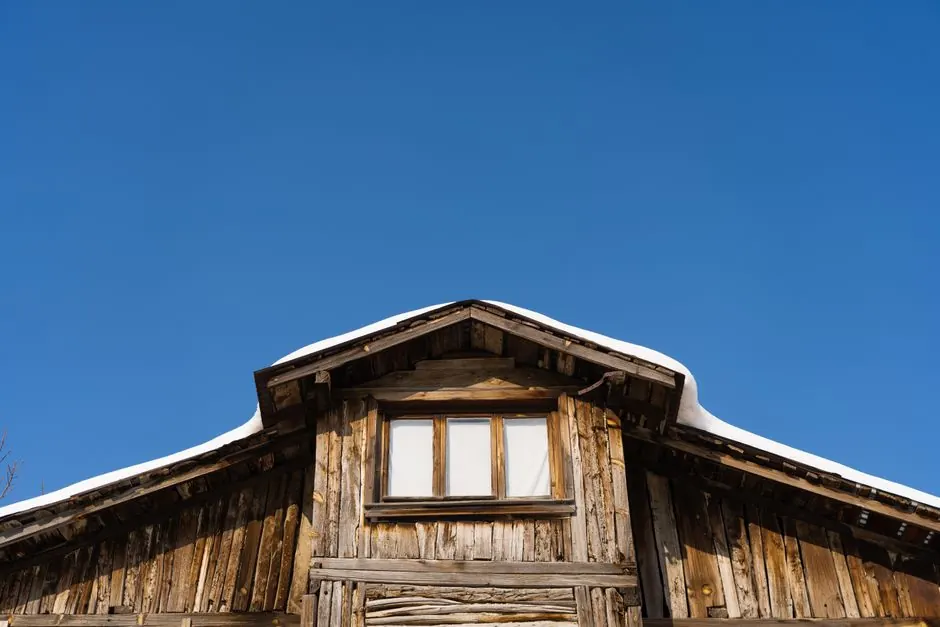
A clear drainage channel can reduce the time meltwater sits behind an ice ridge, but removal is only one part of protecting your home. We focus on the immediate roof hazard, document visible concerns, and explain what should be checked next. You get a practical result: a safer roof edge and a clearer picture of any moisture already inside.
Restore Roof Drainage
We open a controlled route through the dam so meltwater can move toward the gutters instead of pooling against the roof edge. A channel is often more useful than removing every frozen layer. After the work, we check the visible eaves and downspout outlets for remaining blockages and tell you where snow or ice could rebuild.
Avoid Shingle Chopping
Hand tools, axes, and salt can scar roof shingles, damage gutters, or leave corrosive residue. Our safe roof ice dam removal Minnesota approach relies on temperature-controlled steam and careful section-by-section work. That reduces impact on roofing materials while addressing the obstruction that is holding water above the eave.
Catch Interior Moisture
A roof-edge leak can wet attic insulation before a ceiling stain appears. We note visible entry points and can use a moisture meter to check accessible areas when water intrusion is suspected. Early detection helps you separate a roof drainage problem from a larger drying or repair need.
Plan The Next Step
Removal does not correct the heat loss that formed the dam. We point out likely contributors, such as uneven attic insulation or ventilation concerns, and identify whether a roofer or restoration professional should follow. You leave with immediate ice relief and a sensible maintenance priority, not a guess.
Customer feedback Not stated
A Minneapolis customer described a roof-edge channel cleared with steam instead of chopping. The crew explained where water might have entered the attic and identified which insulation area should be checked after the roof was safe.
Customer feedback Not stated
A Blaine homeowner reported a frozen gutter and ice above a walkway. The crew set a work zone, cleared the obstruction, and checked the visible outlet. The homeowner appreciated knowing which section had been treated and what to watch during the next thaw.
Customer feedback Not stated
A Duluth property manager called after tenants noticed a drip during a thaw. The team cleared the roof dam and explained that interior moisture needed a separate check, leaving the manager with a clear order for the follow-up work.
Ice dams are not all alike: a shallow ridge on a low roof needs a different plan from a deep, continuous dam above a finished attic. Our local experience covers residential rooflines, multi-unit buildings, and commercial eaves exposed to repeated thaw and refreeze. We use established safety practices, including OSHA fall protection requirements and NRCA roofing safety guidance, and connect roof work with moisture evaluation when a leak is present. We do not claim a cure from removal alone; we separate immediate ice control from the insulation, ventilation, roofing, or restoration work that may follow.
We cover communities across Minnesota, from the metro and southern plains to northern towns with longer snow seasons. A roof in a dense neighborhood has different access needs from a property exposed to open-country wind and drifting snow. Our Minnesota ice dam removal services adapt the work plan to the roof, weather, and reported leak. Select a city below for local service details, or tell us your location and whether water is entering the home.
We address ice at dormers, additions, and older rooflines, creating controlled drainage channels and checking for visible leak paths near finished attic spaces.
Our crew assesses long suburban eaves, frozen gutters, and entry walkways, then plans steam removal around safe access and falling-ice exposure.
We inspect roof transitions and wind-loaded sections, clear the dam in measured passes, and flag visible moisture concerns for follow-up.
For compact residential lots, we plan ladder placement and protect the area below the eave while opening a drainage path through roof ice.
Freeze-thaw swings can rebuild ice at cold roof edges. We focus on the blockage, check visible downspout flow, and explain any recurring pattern.
We tailor removal to the roof height and nearby access, taking care around gutters and the walkways beneath a dam.
We assess drifting snow and long eaves, then use controlled steam to create a route for meltwater without striking shingles.
Longer snow cover can leave deep ice at roof edges. We plan access carefully and work in sections to manage heavy ice release.
We respond to thaw-related dams by locating the backed-up eave, opening drainage channels, and noting whether water has reached interior materials.
Our service addresses frozen gutters and roof-edge ridges, with a ground-level safety zone planned around the home and its entrances.
Snow accumulation and repeated freezing can create persistent dams. We inspect roof access and use steam to clear targeted sections.
We check roof valleys, additions, and eaves where drifting snow concentrates, then provide a focused removal and visible drainage review.
For homes with long roof edges, we assess ice depth and access before steaming a channel that helps trapped meltwater move off the roof.
We plan around rural and residential access conditions, protect the area below the roof, and check visible gutter blockage after removal.
We address recurring eave dams with controlled steam and identify roof or attic conditions that may be contributing to repeat buildup.
Real answers to the questions we hear most often from local homeowners and property managers.
Active dripping, a growing ceiling stain, or a blocked eave calls for prompt action. Emergency removal focuses first on opening drainage and reducing incoming water, then identifies whether temporary interior protection or restoration needs attention. Tell us where the leak appears and whether it is still flowing.
View Emergency Ice Dam RemovalSteam removal uses controlled heat to soften ice without striking roof shingles. We direct the nozzle to make channels through the dam and release trapped meltwater. It is suited to many roof-edge ice problems, with the method adjusted to roof material, access, and ice depth.
View Steam Ice Dam RemovalExcess roof snow can add load and feed recurring ice dams during a thaw. We remove snow in a controlled manner while leaving a protective layer above the roofing surface. This service is useful after heavy accumulation or when snow is packed above a known problem eave.
View Roof Snow RemovalIce-filled gutters can prevent meltwater from leaving the roof edge, increasing the chance of backup. We address accessible gutter ice carefully and avoid prying against the gutter trough. If the ice dam itself remains, gutter work alone will not resolve the roof drainage obstruction.
View Gutter Ice RemovalFrozen downspouts trap water that should be draining away from the building. We check for visible blockages and clear accessible outlets as part of a drainage-focused plan. Once temperatures rise, unobstructed downspouts help carry meltwater away from siding and foundation areas.
View Gutter and Downspout ClearingRemoving the ice does not repair a lifted shingle, failed flashing detail, or opening in the roof assembly. Leak repair addresses the source after access is safe and the ice is controlled. We identify visible concerns and explain the roofing follow-up needed to keep water out.
View Ice Dam Roof Leak RepairCall +1 612-555-0100 for ice dam removal or frozen pipe help across Minnesota. We take urgent calls around the clock and respond with practical questions about the leak, roof access, or water service so we can direct the right crew. Share your community and what you see; we will explain the next step and pricing before work starts.
Phone
+16125550100Address
Minnesota
Hours
Mon–Fri: 7AM – 7PM
Sat: 8AM – 4PM
Sun: Emergency Only
24/7 Emergency Available