
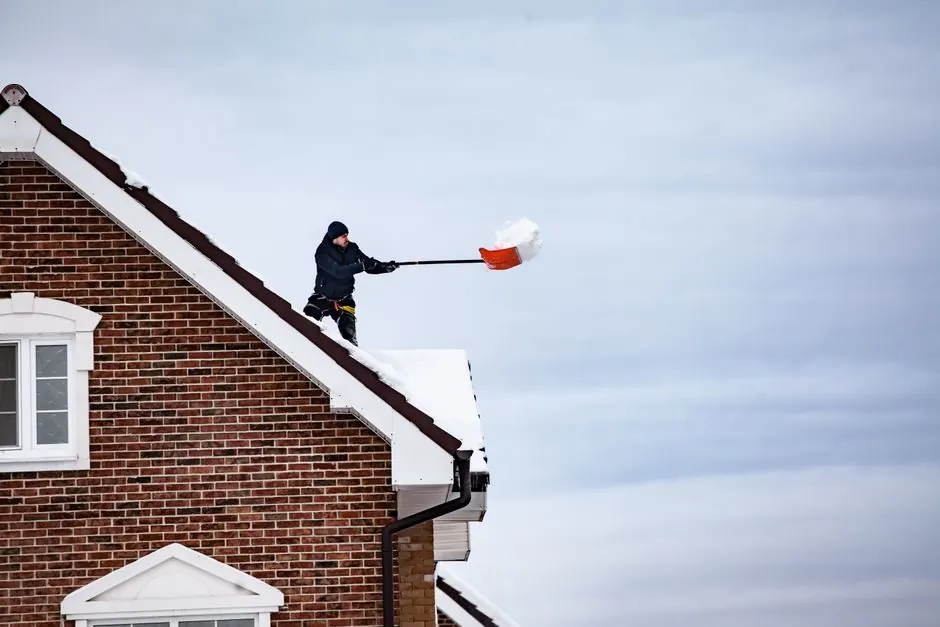
Roof and snow assessment
We check visible snow depth, drift locations, roof pitch, material, access, and nearby hazards. That assessment guides the removal pattern and identifies priority sections such as valleys or areas above an occupied room.
Roof snow removal covers an assessment, safe work-zone setup, controlled removal from agreed roof areas, and a final review of visible drainage and roof conditions. We focus on loose snow and drifted accumulation, not forceful ice demolition. If you also need frozen gutters opened, a leak repaired, or interior materials dried, we explain which related service addresses that problem.
We check visible snow depth, drift locations, roof pitch, material, access, and nearby hazards. That assessment guides the removal pattern and identifies priority sections such as valleys or areas above an occupied room.
We establish where snow will fall and keep occupants clear of the drop zone. Our crew considers walkways, doors, parked vehicles, and landscaping before starting, then selects equipment and access suited to the roof.
We remove agreed accumulations in balanced passes, using roof rakes or other appropriate methods. The goal is to reduce excessive snow while avoiding unnecessary scraping against shingles, metal roofing, flashing, or gutters.
At completion, we review the areas cleared and note visible ice, blocked drainage, or signs of water entry. We explain whether gutter clearing, ice removal, leak repair, or an attic inspection should follow.
Roof snow removal in Minnesota is a property maintenance service that reduces accumulated roof snow before excessive weight or thawing snow creates avoidable damage. We assess snow depth, drifting, roof shape, access, and visible roof ice buildup, then remove snow in a controlled pattern. The goal is not always a bare roof: a thin protective layer can remain to help prevent contact damage to roof shingles, metal roofing, roof flashing, and gutters. We also direct falling snow away from doors, walkways, vehicles, and landscaping.
Minnesota homes face different snow and thaw patterns, from heavy lake-effect accumulations near Duluth to repeated freeze-thaw cycles in the southern part of the state. Uneven drifts, shallow roof pitches, and blocked drainage can combine to create ice dams or gutter ice blockage. If a roof is loaded, leaking, or showing fresh ceiling water stains, hire a professional roof snow removal service in Minnesota rather than climbing a ladder with a household shovel. We can clear priority areas and identify signs that need follow-up.
Roof snow removal in Minnesota starts with a site check, not a shovel on the roof. We assess access, roof geometry, snow depth, and hazards, then explain the work sequence and price before clearing begins. A straightforward residential visit often takes 1 to 3 hours; larger or complex roofs take longer.
Schedule
Call or book online — a real human picks up and confirms a 2-hour arrival window.
Diagnose
Licensed tech inspects on-site, then walks you through the cause and your options.
Fix
The job is completed to code and done right the first time — no shortcuts, no surprises.
Guarantee
Every job backed by a written workmanship warranty — and we stand behind it.
Roof rake
A roof rake removes loose snow from accessible roof edges while the operator remains on the ground. We use it in controlled passes and stop short of scraping the roofing surface.
Telescoping snow rake
A telescoping snow rake extends reach for selected roof sections without requiring a ladder for every pass. We choose a suitable head and angle for the roof material and the snow condition.
Werner extension ladder
A Werner extension ladder provides access only when the site and roof conditions support safe placement. We secure the work area and follow OSHA ladder safety requirements rather than improvising on icy ground.
Fall-arrest harness
A fall-arrest harness is used when the work plan requires roof access and a suitable anchor arrangement is available. We plan fall protection before anyone approaches an exposed roof edge.
Moisture meter
A moisture meter checks suspect interior materials after a leak, helping distinguish a dry surface stain from materials that remain damp and need further attention.
Balanced sectional removal
We remove snow in sections to avoid leaving one roof area heavily loaded while stripping another bare. The sequence is adjusted for drifts, valleys, pitch, and access. This method reduces concentrated snow without promising that every roof will be cleared to the surface.
Ground-based assessment and clearing
When reach and roof layout allow, we work from the ground with a roof rake or telescoping snow rake. We keep people outside the drop zone and avoid standing beneath the section being cleared. If the tool cannot reach safely, we reassess rather than overextending.
Fall-protection planning
If roof access is needed, we evaluate ladder placement, tie-off options, roof conditions, and the task before work begins. We follow OSHA fall protection requirements and NRCA roofing safety guidance as applicable to the work. Icy surfaces or unsafe access change the method, not the safety standard.
Post-removal moisture check
When you report a leak or ceiling stain, we inspect accessible areas for visible moisture signs and recommend appropriate follow-up. A moisture meter or infrared camera can help locate damp materials. Drying equipment such as an air mover or commercial dehumidifier belongs to restoration work, not routine snow clearing.
01
What we do: We inspect the drift pattern and remove the concentrated snow in a balanced sequence. Our crew protects the drop zone and checks the nearby roof transitions, where drifting often collects. If the roof material is vulnerable, we leave a thin layer rather than scraping the surface.
→ The highest-load area is reduced, and you know whether remaining roof sections or drainage paths need attention before the next thaw.
02
What we do: We prioritize snow near vulnerable eaves and roof transitions, then check for visible ice buildup and drainage concerns. If frozen gutters or downspouts are part of the problem, we explain the appropriate related service rather than treating snow removal as a complete ice repair.
→ You reduce loose snow ahead of melting and receive a clear view of any remaining ice or water-entry risk.
03
What we do: We coordinate the work zone around doors, walkways, and parking areas, then clear sections in a controlled order. We communicate where people should stay clear while snow is moving and review the cleared areas with the manager before wrapping up.
→ Residents have a defined safe route, entrances are managed during the work, and the manager has a practical record of the areas addressed.
04
What we do: We assess visible roof snow and remove priority accumulation where safe, then discuss the interior sign. If moisture has reached drywall or attic insulation, we can direct you to an inspection and drying plan rather than assuming the stain will disappear when the snow does.
→ The roof load is addressed and you have a next step for checking whether water entered the building.
Minnesota roof snow clearing contractor work changes with local weather and building conditions. Northern communities such as Duluth and Crookston can see persistent cold, drifting, and substantial snow accumulation; central and southern areas can cycle through snow, daytime melt, and overnight refreezing. We assess the roof in front of us rather than applying one statewide snow-depth rule. A steep roof sheds differently from a low-slope addition, and a drift over a garage deserves a different removal sequence from even coverage across a ranch roof. We also account for roof shingles, metal roofing, gutters, and nearby access routes. If you are deciding when to schedule professional roof snow clearing in Minnesota, call when drifts build, snow is unusually deep, or a thaw approaches. We follow applicable OSHA fall protection and ladder safety requirements and use NRCA roofing safety guidance to inform safe work practices. Local permitting or property rules can vary, so we coordinate access with owners or managers where needed. For active leaks, we connect roof clearing with appropriate moisture inspection and repair rather than leaving you with a cleared roof and an unresolved interior problem.
North Shore and hillside properties
Steeper lots and exposed roof edges can complicate ladder setup and snow-drop zones. We plan access and protect walkways before clearing drifted sections.
Older residential blocks
Older homes can have varied roof additions, narrow side access, and aging gutters. We inspect transitions and drainage paths before choosing where to remove snow.
Newer subdivisions
Attached garages and multiple roof planes create valleys where wind-driven snow can collect. We focus on drift locations and keep driveways and entrances clear of falling snow.
Rural homes and outbuildings
Longer access routes and detached structures need separate site planning. We identify each roof area and establish clear drop zones before moving between buildings.
Repeated freeze-thaw cycles refreeze meltwater at roof edges
A daytime thaw can move water toward gutters, then overnight cold can freeze it in place. We assess roof snow and visible drainage together, since clearing loose snow does not remove a formed ice barrier.
Wind deposits deep snow in valleys and behind roof transitions
Drifts can be much deeper than nearby roof coverage, concentrating weight in a smaller area. We clear priority pockets in balanced passes and check adjoining roof planes before calling the work complete.
Icy access routes limit ladder and roof work
A ladder on slick ground or an icy roof edge creates avoidable fall risk. We change the access plan, use ground-based reach where practical, or pause roof access until conditions support safe work.
Safe snow clearing from residential roofs in Minnesota starts with the condition you can see from the ground: deep drifts, a loaded valley, leaking eaves, or an unusual ceiling stain. We remove priority snow without treating the roof surface as a shovel path. That lowers avoidable risk and helps you decide what follow-up the property needs.
Problem
Uneven snow loading can place more weight on a valley, addition, or roof transition than surrounding areas, increasing strain and complicating a safe thaw.
Our Fix
We identify the drift and clear it in measured passes while maintaining a balanced pattern across the roof. We check nearby valleys and transitions rather than removing one patch in isolation. If the roof shows signs of structural movement, we stop routine clearing and advise you to keep people away from the affected area.
Problem
Meltwater can back up at the eaves and find a path beneath shingles, leading to attic moisture intrusion, stained ceilings, or wet insulation.
Our Fix
We reduce loose snow above the affected edge and inspect visible drainage conditions. If ice is blocking the gutter or downspout, we explain the separate clearing required instead of forcing frozen material loose with a shovel. You get a clearer route to address the snow, ice, and any water already inside.
Problem
A sudden slide from a roof can block a doorway or create a hazardous pile on a walkway, especially during repeated thaw and refreeze periods.
Our Fix
We set a drop zone and plan the removal sequence so snow is directed away from entrances where the site allows. We clear accessible debris from the immediate work area and tell you which paths must remain closed until the roof work is complete. This is especially useful for multi-unit and commercial properties.
Problem
Water stains can signal an active roof leak, wet insulation, or hidden structural moisture that continues after snow has stopped falling.
Our Fix
We address the roof snow contributing to the condition, then identify whether an attic inspection or water-damage service is needed. A moisture meter or infrared camera can help locate damp areas beyond the stain. We separate snow clearing from repair so the leak source and interior damage are both handled.
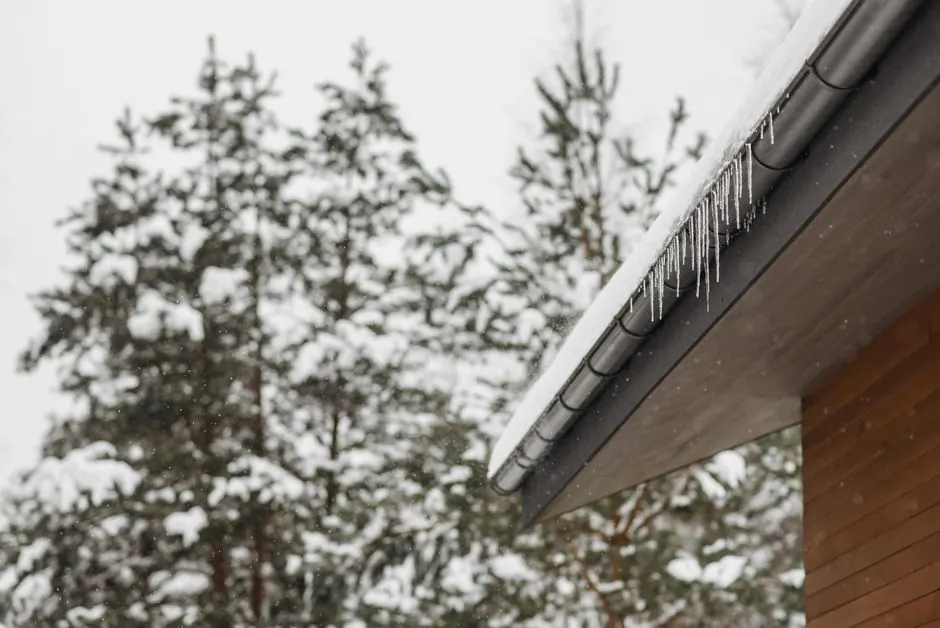
A measured snow-removal plan addresses the areas creating the greatest risk without treating every roof like a flat surface. We focus on your roof's load, drainage paths, and safe access, then explain what we cleared and what to watch as temperatures change.
Lower roof loading
Deep snow and wind-packed drifts add weight unevenly, especially around valleys and roof transitions. We remove priority accumulations in balanced sections instead of stripping one side at a time. That approach reduces concentrated loading while preserving a protective layer over roof shingles where conditions call for it.
Keep drainage paths open
Snow removal around roof edges can help meltwater reach open gutters and downspouts rather than backing up behind a frozen lip. We look for visible gutter ice blockage and frozen downspouts, then identify whether separate clearing is needed. Open drainage helps limit water intrusion during a thaw.
Avoid needless surface damage
Metal blades and aggressive scraping can cut shingles, loosen granules, or damage roof underlayment at exposed edges. Our crew uses snow rakes and controlled techniques from safe working positions, adjusting the method for the roof material. A small snow layer is often safer than scraping down to the surface.
Reduce emergency surprises
Clearing heavy drifts before a warm spell can reduce the chance that meltwater meets an ice-blocked roof edge. It does not guarantee that ice dams will not form, but it can lower snow load and improve drainage conditions. We also point out visible roof flashing concerns that deserve a closer inspection.
Customer feedback ★★★★★4.9
The crew cleared the drift over our garage in a careful pattern and kept snow away from the walkway. They did not scrape the shingles bare. Before leaving, they pointed out that one downspout was still frozen and explained that it needed separate clearing.
Customer feedback ★★★★★4.8
We called after a thaw started and noticed a ceiling stain. The team removed snow from the priority roof section, checked what was visible from the ground, and told us the stain needed a moisture inspection. The explanation was direct, and we knew what to do next.
Customer feedback ★★★★★5.0
Our property needed snow removed above a busy entrance. The crew set a clear drop zone, coordinated the work with us, and reviewed the roof areas before wrapping up. The entrance stayed managed while they worked, and we received practical advice for checking the next drift.
Minnesota Ice Dam Pros handles roof snow as part of the wider winter water-control problem. We consider how roof shape, attic insulation, ventilation, roof underlayment, and drainage affect the risk of leaks as snow melts. Our team follows OSHA fall protection requirements and OSHA ladder safety requirements when selecting access and work positions. If a roof has already leaked, we can connect the visible roof issue with interior moisture signs, including wet insulation or water-damaged drywall, and coordinate appropriate restoration work.
We deliver roof snow removal across Minnesota, with work planned for the state's changing snow, wind, and thaw conditions. Our service reaches northern communities, central regional hubs, and metro-area properties, including homes, rentals, and commercial buildings. As a Minnesota roof snow clearing contractor, we assess each roof's material, access, and snow pattern instead of relying on one method for every city. Select your city to find local service details and tell us what is happening on your roof.
We assess wind-loaded roof sections and snow above exposed eaves, then plan safe access around sloped sites and walkways. Snow removal is adjusted to the roof material and current conditions.
For homes with attached garages and multiple roof planes, we check valleys and drifted transitions first. We clear priority snow while keeping driveways and entrances within the planned drop zone.
We help homeowners address heavy roof accumulation before a thaw, paying close attention to garage roofs, eaves, and drainage paths that can collect ice.
Our crew plans removal around roof access, nearby parking, and pedestrian routes. We target uneven drifts and explain when frozen gutters need separate clearing.
Changing winter temperatures can turn roof snow into trapped meltwater. We remove selected accumulations and check visible roof-edge drainage concerns before reviewing the result.
We work on residential roofs with varied additions and roof transitions, clearing concentrated snow without scraping shingles or directing falling snow onto busy access points.
For compact properties with limited side access, we assess ladder placement and ground-based reach before selecting a removal method. Drop zones are planned around walks and entrances.
We assess drifted snow, roof pitch, and access for homes and seasonal properties. Priority areas are cleared in balanced passes, with visible ice or leak concerns noted.
Newer homes often have attached garages and several roof planes where snow can drift. We inspect those transitions and plan removal to protect the roof surface and entry routes.
Sloped lots and roof variations affect safe access. We check the work area, protect walkways from falling snow, and remove priority accumulations using a roof-appropriate method.
We assess roof edges, valleys, and surrounding access before clearing. If a home has heavy snow over a garage or addition, that concentrated area receives priority.
We plan residential and commercial clearing around parking, doors, and roof shape. After removal, we review visible drainage conditions and identify any separate ice work.
Persistent cold and drifting can leave uneven roof accumulations. We assess depth and roof access on site, then clear selected sections without forceful scraping against shingles.
We check roof valleys, attached garages, and eaves for concentrated snow before choosing a balanced removal sequence. Customers receive a review of cleared areas and remaining concerns.
Our team assesses roof snow and access conditions at each property, including outbuildings where needed. We establish a safe drop zone and focus on the accumulations creating the greatest concern.
Real answers to the questions we hear most often from local homeowners and property managers.
When roof snow has already melted and refrozen at the eaves, ice dam removal addresses the ice barrier blocking drainage. We assess the roof edge and use a controlled approach suited to the surface, reducing the risk of damage from improvised chopping.
View Ice Dam RemovalActive water entering through a ceiling or wall calls for prompt attention to the roof edge. Emergency ice dam removal focuses on the obstruction contributing to the leak, while we help you protect belongings and identify whether interior drying or repair is also needed.
View Emergency Ice Dam RemovalSteam ice dam removal uses controlled low-pressure steam to open drainage channels through roof ice. It is a different operation from removing loose snow and is selected when frozen buildup blocks the eaves. We protect roofing materials by avoiding forceful impact and abrasive scraping.
View Steam Ice Dam RemovalSnow removal can reduce material above the gutter, but a frozen gutter may still prevent meltwater from draining. Gutter ice removal targets the blockage itself and helps restore a path toward the downspout without pulling or prying at the gutter.
View Gutter Ice RemovalAfter roof snow is cleared, packed debris or frozen downspouts can still hold water at the eaves. This service clears accessible drainage routes and checks whether water can move away from the roof edge, reducing backup during changing temperatures.
View Gutter and Downspout ClearingIf water has passed the roof edge, snow removal alone will not repair the entry point. Ice dam roof leak repair addresses the affected roof area and visible damage, including concerns around roof flashing, underlayment, and interior staining.
View Ice Dam Roof Leak RepairCall +1 612-555-0100 for ice dam removal or frozen pipe help across Minnesota. We take urgent calls around the clock and respond with practical questions about the leak, roof access, or water service so we can direct the right crew. Share your community and what you see; we will explain the next step and pricing before work starts.
Phone
+16125550100Address
Minnesota
Hours
Mon–Fri: 7AM – 7PM
Sat: 8AM – 4PM
Sun: Emergency Only
24/7 Emergency Available