
Logo
Get Estimate

Steam Ice Dam Removal in Minnesota That Protects Roofs

Clear dangerous roof ice without chopping at shingles


Steam Ice Dam Removal in Minnesota helps homeowners and property managers stop ice dam roof leaks without tearing at roof shingles with axes or pressure washers. Our Minnesota steam ice dam removal service uses controlled, low-pressure steam to open drainage paths through roof ice buildup. If water is staining a ceiling or frozen gutters are backing up, we remove the obstruction and check the affected roof area before the next thaw sends more water indoors.

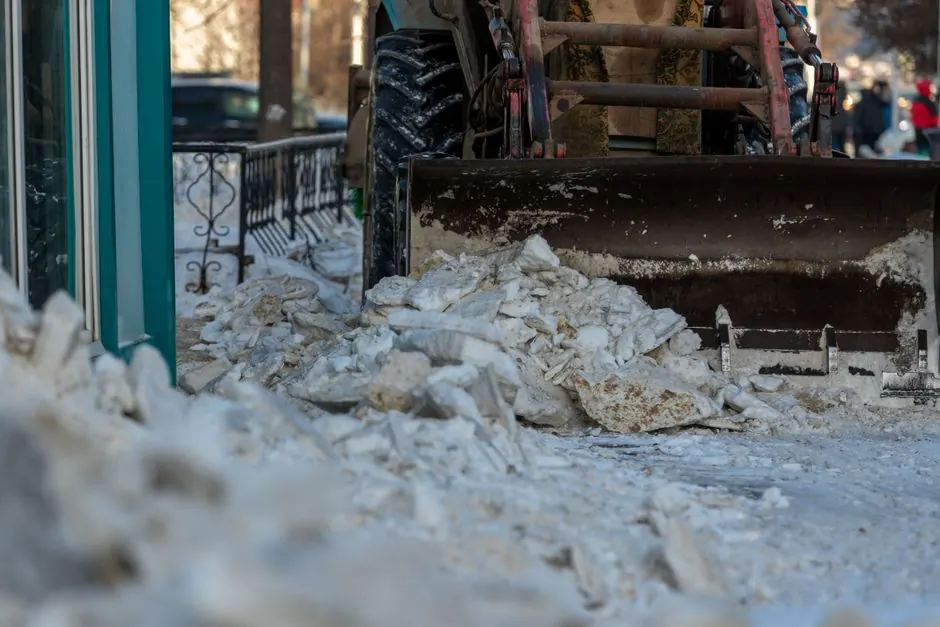
A snow plow clearing accumulated snow from an urban street during winter.
Licensed Licensed & Bonded
Fully Insured Insured & Bonded
24/7 Emergency Same-Day Response
Warranty Backed Workmanship Guaranteed

What's Included in Steam Ice Work

We assess the roof edge, set up a safe work zone, melt a controlled drainage path, and review whether runoff can leave the roof. We also discuss visible leak signs and remaining blockages. Permanent roof repairs, extensive gutter clearing, and interior restoration are separate work when needed; we explain those needs rather than treating them as part of steam removal.

Roof and Ice Assessment

We check the affected eave, roof material, ice depth, access, and reported leak location before setting up. You can show us where water appears inside. This assessment helps focus the steam work on the actual drainage obstruction rather than heating clear sections.
Protected Work Area

We identify the fall zone beneath the roof and keep the active area clear of people and vehicles. Ladder placement and fall protection follow the property conditions. We tell you which entrances or walkways to avoid until the steam work and runoff are complete.

Low-Pressure Steam Clearing

Our operator directs steam at the ice in manageable sections and opens a channel toward the eaves. We monitor release and runoff while avoiding impact tools against roof shingles. Treatment is focused on the dam that is restricting drainage.

Drainage Review and Handoff

We check whether water can move toward the gutter and point out any visible remaining blockage or roof concern. If water reached drywall or attic insulation, we discuss appropriate follow-up. Roof repair and interior drying are distinct services when the inspection shows they are necessary.

Steam Ice Dam Removal in Minnesota


Steam Ice Dam Removal in Minnesota is a roof de-icing service that uses controlled low-pressure steam to cut drainage channels through ice dams when meltwater is trapped above the eaves. We work from the roof edge inward, separating ice in manageable sections rather than striking roof shingles or prying against roof flashing. As channels open, trapped water can drain through the gutters and downspouts. We also check for loose shingles, damaged flashing, and visible leak paths so you know whether removal alone addresses the immediate problem.

Minnesota's freeze-thaw cycles, heavy snow cover, and long periods below freezing create roof ice buildup on older and newer homes alike. A sunny south-facing slope can thaw while shaded eaves stay frozen, pushing water beneath roof underlayment and into attic insulation. Our roof-safe steam ice dam clearing Minnesota approach is useful when a roof rake cannot reach the ridge or when an active leak needs a controlled opening. If you need a low-pressure steam ice dam removal service in Minnesota, we assess roof access, ice thickness, and drainage before selecting the work area.

What to Expect During Service

Steam ice dam removal follows a deliberate sequence: assess the roof, protect the work area, melt a drainage path, and inspect the affected edge. Most residential visits take two to four hours, with roof size, access, and ice depth determining the actual time.

01

Schedule

Call or book online — a real human picks up and confirms a 2-hour arrival window.

02

Diagnose

Licensed tech inspects on-site, then walks you through the cause and your options.

03

Fix

The job is completed to code and done right the first time — no shortcuts, no surprises.

04

Guarantee

Every job backed by a written workmanship warranty — and we stand behind it.

Steam Equipment and Safe Methods

Tools & Equipment

Low-pressure steam generator

Supplies controlled steam for loosening roof ice without the impact of chopping or the force of pressure washing. The operator adjusts the pace to the ice thickness and roof conditions.

Commercial steam hose and nozzle

Delivers steam to the dam and focuses it on the blocked section. The operator can work progressively and watch how each area releases while checking the direction of meltwater.

Werner extension ladder

Provides roof-edge access only where footing and placement are appropriate. We inspect the setup and follow ladder safety requirements before a crew member uses it.

FLIR infrared camera

Helps identify temperature differences around an interior leak area during a follow-up assessment. It is used alongside visual checks and moisture readings, not as a substitute for them.

General Tools moisture meter

Checks accessible drywall or other building materials for elevated moisture after a reported leak. Readings help us discuss whether drying or additional inspection is appropriate.

Methods & Standards

Controlled channel opening

We start at the blocked edge and melt a narrow route through the dam toward the gutter. Working in sections helps control ice release and observe runoff. The goal is to restore drainage, not to heat every part of the roof or remove sound snow unnecessarily.

Roof-surface-aware steam work

We identify the roof surface and visible details before directing steam. The nozzle targets ice rather than shingle edges, flashing, or seams. We adjust position as ice releases and stop to reassess when drainage is blocked or the roof condition changes.

Fall and ladder safety planning

We review roof pitch, ladder footing, ground conditions, and the drop zone before work starts. Our crew follows OSHA fall protection requirements and OSHA ladder safety requirements. You will be asked to keep people and vehicles outside the active work area.

Interior moisture follow-up

If you report an interior leak, we look at accessible materials and consider moisture readings as part of the handoff. IICRC Water Damage Restoration Technician (WRT) principles guide recognition of wet materials and drying needs. This assessment remains separate from repairing the roof source.

When to Call for Steam

01

A winter thaw sends a fresh drip through your ceiling while ice remains locked along the eaves.

What we do: We assess the roof edge above the leak, protect the area below, and use low-pressure steam to open a route through the dam. We check whether runoff reaches the gutter and explain any indoor water damage that needs attention.

→ The immediate roof obstruction is relieved, and you know whether water is draining properly. You also receive a clear next step for wet insulation or ceiling material.

02

A steep roof holds an ice ridge beyond the reach of a roof rake from the ground.

What we do: We evaluate ladder footing, roof pitch, and fall protection instead of asking you to climb onto ice. The operator uses a steam hose to work through the obstruction in sections, watching for controlled release and a safe drainage path.

→ You avoid taking a risky trip onto the roof, and the blocked drainage edge is treated with less mechanical force against the shingles.

03

A frozen dam hangs over a doorway or vehicle area where a large falling ice slab would create a hazard.

What we do: We keep the drop zone clear and melt the dam in small sections so the ice releases progressively. The crew directs runoff away from active access and checks the gutter line after the obstruction is opened.

→ The roof edge is cleared with controlled release rather than a sudden pile of broken ice. You know when the affected entry or parking area is safe to use again.

04

A shaded roof remains frozen while another slope melts and pushes water toward a valley.

What we do: We identify the section trapping water and focus steam there instead of heating the entire roof. We inspect the route to the eaves and note any remaining gutter or downspout blockage that could prevent runoff.

→ Meltwater gains a route away from the roof assembly, and you receive a clear explanation if another frozen point still restricts drainage.

Minnesota-Specific Steam Service

Minnesota roofs face persistent snow, wind exposure, and sharp temperature changes. As October gives way to winter, we prepare for the freeze-thaw pattern that creates dams: snow melts on warmer roof areas, then refreezes at colder eaves. A south-facing slope may drain while a shaded edge stays locked in ice. Older homes with uneven attic insulation or air leakage can add heat at the roof deck, while newer roof designs may have valleys and multiple eaves that concentrate runoff. Our Minnesota low-pressure steam treatment for ice dams starts with the roof material, pitch, access, and drainage route. For active leaks, how professional steam treatment removes ice dams in Minnesota is direct: we melt a controlled channel, observe runoff, and identify visible concerns. Local safety and building requirements depend on the property and the work being performed, so we follow applicable practices and do not present ice clearing as a substitute for code-compliant roof repairs. Northern communities can hold deeper snow longer; southern areas may see more repeated thaw-and-freeze cycles. We adjust the work plan to the roof and conditions in front of us.

Neighborhoods We Serve

  • Rochester residential areas

    Sun exposure can vary sharply between roof slopes. We identify the blocked eave above the reported leak and check whether the gutter can carry runoff after steaming.

  • Eagan neighborhoods

    Attached garages and intersecting roof lines can trap ice at valleys. We locate the obstruction and protect vehicle and entry areas before directing steam.

  • Moorhead residential areas

    Extended cold spells can keep shaded eaves frozen even when snow begins to melt elsewhere. We assess ice depth and safe access before treating the drainage edge.

  • Stillwater hillside properties

    Sloped lots and tight access can affect ladder placement and runoff control. We plan the work zone around stable footing and the area below the treated roof edge.

Local Conditions We Plan For

  • Daytime melting followed by overnight refreezing

    Meltwater can travel beneath snow and freeze at the colder eaves, building a barrier over successive cycles. We open a channel through the dam and verify that water can move toward the gutter.

  • Deep snow hiding the full ice ridge

    Snow cover can obscure the dam's width and limit safe access to the roof edge. We assess the visible obstruction and work only where the setup allows controlled steam treatment.

  • Wind-driven drifts collecting at valleys

    Uneven snow loading can concentrate meltwater at valleys and lower eaves. We trace the reported leak area to the blocked route so steam work targets the obstruction rather than an unrelated roof section.

Active Bedroom Leak Relieved

Before

A homeowner saw a brown mark at the bedroom ceiling and a drip during afternoon thaws. An ice ridge covered about 18 feet of the eave, trapping water above the exterior wall. The attic insulation near that corner felt damp, and the next warm spell was expected to add more runoff.

After

We opened a channel through the blocked section with controlled steam and confirmed water could move toward the gutter. The active dripping stopped during the visit. We pointed out the damp insulation for follow-up and explained that the ceiling stain needed observation after the roof drainage was restored.

Maintenance: Check the ceiling and attic edge after each thaw once the materials have had time to dry. If fresh moisture appears, arrange an inspection instead of covering the stain with paint.

Before

A solid dam bridged the gutter above a garage for roughly 12 feet. The downspout was frozen, and water collected behind the eave on sunny afternoons. The owners were concerned about large ice pieces falling onto a vehicle below.

After

We melted the dam in controlled sections and kept the drop zone clear of the parked vehicle and garage entrance. A drainage channel opened, but the downspout remained frozen. We showed the owners the remaining restriction and explained the separate clearing needed to complete the drainage route.

Maintenance: Keep the area below the eave clear during future ice work. When conditions allow, confirm the downspout outlet is open and that water leaves the gutter without refreezing at the roof edge.

Before

A north-facing roof held a dense ice ridge while the sunnier slope began melting. Water appeared near an upstairs window, and a ground-level roof rake could not reach the packed ice at the eave. The owners worried that striking the ridge would damage shingles.

After

We assessed access, protected the area below, and used steam to open a route through the dam without chopping at the roof. The affected eave measured about 15 feet, and water drained toward the gutter afterward. We noted a visible flashing concern near the window for separate review.

Maintenance: Watch the window during the next two thaw cycles and note any new moisture. If the leak returns, have the flashing inspected because ice removal does not repair a loose roof detail.

Why Choose Steam Ice Dam Removal

A frozen roof edge can turn a routine thaw into water damage inside your home. We use steam to restore a route off the roof and help you see what remains after the obstruction is cleared. These common situations call for a controlled response.

Problem

Water dripping through a ceiling during a daytime thaw

Repeated melt cycles can wet drywall and insulation, spread stains, and conceal moisture in the roof assembly before the leak becomes obvious elsewhere.

Our Fix

We assess the roof area above the drip and use steam to open a drainage channel through the dam. After water can move toward the eaves, we review visible roof conditions and discuss the interior materials you reported. If insulation or drywall is wet, we explain drying and repair options as separate follow-up.

Problem

A frozen gutter line stopping water from leaving the roof

Water trapped behind the eaves may move beneath shingles or flashing and continue leaking even when the main ice ridge begins to melt.

Our Fix

We work through the ice obstruction in controlled sections, then check whether the gutter line can accept runoff. If gutter ice or a frozen downspout remains, we identify the specific blockage and explain the additional work needed. That way, you know whether the roof channel has a complete drainage route.

Problem

An unreachable ice ridge above a steep roof edge

Trying to climb or strike the ice yourself creates a fall hazard and can damage brittle shingles, flashing, or gutters.

Our Fix

Our crew evaluates access and sets up fall protection before bringing steam to the affected eave. We do not ask you to climb an icy roof or use impact tools. The operator melts a channel from a planned position and keeps the ground-level area below active work clear.

Problem

A recurring ceiling stain under a roof valley

A recurring mark can indicate a continuing leak, damp insulation, or a roof detail that directs meltwater beneath the surface during each thaw.

Our Fix

We clear the dam that is restricting drainage, note the location relative to the reported stain, and recommend further inspection if moisture returns. A moisture meter can help assess accessible materials. Steam removal restores drainage, but damaged flashing or roof underlayment requires separate repair.

What Controlled Steam Delivers

What Controlled Steam Delivers

Steam removes ice where it blocks drainage while limiting force against your roof. We focus on the ice dam itself, then explain what the cleared path means for gutters, downspouts, and any leak signs inside your home. You get a practical result, not a roof covered in broken ice chunks.

  • Less Shingle Stress

    A commercial steam hose and nozzle applies heat and water at low pressure, avoiding the impact of a hammer, chisel, or pressure washer. That matters on brittle winter shingles and around roof flashing. Our crew opens a channel in sections and watches how the ice releases, instead of levering frozen slabs against your roof edge.

  • A Clear Drainage Path

    We cut channels from the ice dam toward the eaves so meltwater has a route off the roof. On a 20-foot affected edge, the technician targets blocked sections rather than unnecessarily heating the whole roof. Open drainage reduces the standing water that feeds ice dam roof leaks during the next daytime thaw.

  • Less Debris Below

    Controlled melting avoids sending large ice blocks onto a deck, entry, or landscaping. Before work, we identify the drop zone and protect access around the building. You can keep people away from the immediate work area while our crew clears the roof edge and monitors where meltwater is flowing.

  • A Clear Next Step

    After steam work, we point out visible damage and active moisture rather than treating every stain as a roof failure. A moisture meter helps check a wet ceiling or attic surface; readings guide whether drying or repair is needed. You leave with a defined next step if water has already reached drywall or insulation.

Safety and Training

Licensed & Certified

  • OSHA Fall Protection Requirements — issued by Occupational Safety and Health Administration
  • OSHA Ladder Safety Requirements — issued by Occupational Safety and Health Administration
  • IICRC Water Damage Restoration Technician (WRT) — issued by Institute of Inspection, Cleaning and Restoration Certification
  • NRCA Roofing Safety Guidance — issued by National Roofing Contractors Association

Verified Reviews

Google ★★★★★4.9

A homeowner in Eagan described steam clearing along a roof edge and a crew member noticing the downspout was still frozen. The team explained why the roof channel alone could not restore full drainage, kept the work area clear, and laid out the next step without confusing it with the completed steam service.

Google ★★★★★5.0

A Rochester customer called after seeing a ceiling drip during a thaw. The crew opened a channel through the dam, checked runoff toward the gutter, and explained that damp attic insulation needed separate follow-up. The homeowner said the immediate leak stopped and the explanation was easy to understand.

BBB A

A Moorhead homeowner reported a heavy ice ridge over a garage. Steam cleared the blocked edge in sections, and the crew kept the driveway below out of the drop zone. They also identified a remaining gutter restriction and explained the difference between roof de-icing and drainage clearing.

Roof Ice Work, Done Carefully

Our Minnesota Ice Dam Pros crew approaches steam work as roof access plus controlled ice removal, not simply running hot water over a roof. We train on hose handling, ladder setup, fall protection, and the differences between shingles, metal roofing, gutters, and flashing. For interior water concerns, our team understands IICRC Water Damage Restoration Technician (WRT) principles and how wet insulation or drywall changes the follow-up. We do not claim a fixed number of years or completed jobs; we focus on a safe sequence, careful observation, and clear communication at each property.

  • We plan work around OSHA fall protection requirements and OSHA ladder safety requirements, including stable ladder placement and controlled access below the eaves.
  • Our crew distinguishes roof shingles, metal roofing, gutters, and roof flashing before selecting where to direct steam and where to avoid heat.
  • We trace reported ceiling stains toward likely roof entry points, then explain whether water damage needs drying beyond ice removal.
  • We use IICRC Water Damage Restoration Technician (WRT) knowledge to recognize wet building materials and recommend appropriate drying steps.
  • We separate ice removal from permanent roof repair, so you know whether a cleared channel has also revealed damaged shingles or flashing.
Get Started Today
Roof Ice Work, Done Carefully

Cities Served Across Minnesota

We deliver steam ice dam service across Minnesota, from southern communities with frequent thaw cycles to colder western areas where roof ice can persist. Our crew plans around the roof, access, snow cover, and drainage conditions at each property. The Minnesota low-pressure steam treatment for ice dams is focused on blocked roof edges and safe runoff. Call with your city and the location of any leak so we can discuss the conditions affecting your roof.

Rochester

We assess the roof slope and eaves, then use controlled steam to open drainage channels when thawing snow backs up above the gutters.

Eagan

For homes with garages and intersecting roof lines, we locate the blocked section and protect the driveway or entry before steam work.

Moorhead

Long cold spells can leave ice packed at shaded eaves. We check access and ice depth, then clear the obstruction in manageable sections.

Chaska

We focus steam on eaves and valleys where meltwater is trapped, then check that the opened route leads toward a usable gutter.

Chanhassen

Our crew reviews roof pitch, access, and visible leak locations before treating ice dams that threaten ceilings or exterior walls.

Lino Lakes

When snow and shaded eaves hold ice, we establish a safe work zone and open drainage channels without chopping at shingles.

Stillwater

On sloped properties, we plan ladder placement and runoff control before using steam to clear the roof-edge obstruction.

Monticello

We address dams on homes and garages by locating trapped runoff and checking for remaining gutter or downspout blockage.

Worthington

Our assessment accounts for exposed roof edges and changing winter temperatures, focusing steam where meltwater backs up behind ice.

East Bethel

We plan access around the property and clear the affected eave in sections, keeping people clear of active steam work.

St. Anthony

For compact residential properties, we map the drop zone and protect entries before channeling ice toward the roof's drainage edge.

Minnetrista

We inspect roof lines and access, then use low-pressure steam to relieve dams holding water above gutters and eaves.

Belle Plaine

Our crew identifies the leak-side roof edge, clears the ice barrier in controlled sections, and checks whether runoff can reach the gutter.

Jordan

When a thaw exposes water trapped behind roof ice, we open a channel and explain any separate gutter or roof repair needs.

Montevideo

We account for cold-weather access and snow-covered roof edges, using steam where a dam blocks drainage and threatens interior leaks.

Steam Ice Dam Removal FAQs

Real answers to the questions we hear most often from local homeowners and property managers.

How does steam ice dam removal work in Minnesota?
A technician uses a low-pressure steam generator to melt narrow channels through the dam so trapped water can drain toward the eaves. We assess access and roof material first, protect the area below, then work in controlled sections rather than striking the ice. A typical residential visit takes two to four hours, though deep ice or difficult access can extend the job. We also check whether gutters or downspouts remain blocked.
Does low-pressure steam ice dam treatment damage shingles?
Low-pressure steam is designed to loosen ice without the impact of chopping, but no roof work is risk-free. We direct the nozzle at the ice, not into shingle edges, and avoid forcing hot water beneath roof materials. Existing brittle, loose, or damaged shingles need extra care. Before starting, we inspect the accessible roof edge and explain any visible condition that changes how we work.
How much does steam ice dam removal cost in Minnesota?
Most residential steam jobs cost about $350 to $1,200 in 2026, with the price driven by roof access, ice depth, affected length, and safety setup. A short, accessible eave costs less than a steep roof with multiple blocked valleys. We give upfront pricing before work starts. If frozen downspouts, interior drying, or roof repairs are also needed, those are priced according to the additional work.
When should I hire a steam ice dam removal contractor?
Call when water is entering the home, ice blocks the eaves, or a roof dam is beyond safe ground-level removal. Active ceiling stains, dripping near exterior walls, and frozen gutters are practical warning signs. Do not climb onto an icy roof or chip at shingles. We assess the roof and drainage, then decide whether steam removal is the right response or whether another hazard must be addressed first.

Related Roof and Water Services

Ice Dam Removal

When your roof has widespread ice buildup, broader removal may be needed alongside steam channeling. We assess the affected slopes and eaves, then focus on the obstruction creating the leak risk. Steam is used where controlled melting is appropriate; other roof conditions may call for a different removal plan.

View Ice Dam Removal

Emergency Ice Dam Removal

Water entering a bedroom or hallway needs prompt attention, especially during a thaw. Emergency service focuses first on the active blockage and a safe drainage route. We then explain whether the interior needs water mitigation or the roof needs a separate repair after the ice is cleared.

View Emergency Ice Dam Removal

Roof Snow Removal

Heavy roof snow can feed recurring ice dams as daytime warmth melts the lower snowpack. Roof snow removal reduces that load and limits additional meltwater at vulnerable eaves. We use appropriate access and removal methods to avoid damaging shingles or throwing snow into walkways and entrances.

View Roof Snow Removal

Gutter Ice Removal

A cleared ice dam does little good if a solid gutter blockage still traps runoff. Gutter ice removal targets frozen sections that prevent water from leaving the roof edge. We check the gutter line after steam work and identify whether the downspout also needs clearing.

View Gutter Ice Removal

Gutter and Downspout Clearing

Frozen downspouts can back water up behind the eaves even after a roof channel opens. We address the blockage that interrupts drainage and check the outlet path where accessible. Clearing the system helps your roof shed meltwater rather than sending it toward fascia or interior walls.

View Gutter and Downspout Clearing

Ice Dam Roof Leak Repair

Steam removal stops the frozen barrier from holding water, but it does not replace damaged shingles or flashing. If we see a likely entry point or you still have a leak after drainage resumes, roof leak repair addresses the building envelope. We explain the difference between ice removal and permanent repair.

View Ice Dam Roof Leak Repair

Stop the Roof Leak Before the Next Thaw

If water is entering through a ceiling or ice is blocking your eaves, call Minnesota Ice Dam Pros at +16125550100. Our crew uses controlled steam and follows OSHA fall protection requirements. Tell us where the leak appears and which roof edge is frozen.

Call Now Call Our Team

Contact Minnesota Ice Dam Pros

Call +1 612-555-0100 for ice dam removal or frozen pipe help across Minnesota. We take urgent calls around the clock and respond with practical questions about the leak, roof access, or water service so we can direct the right crew. Share your community and what you see; we will explain the next step and pricing before work starts.

Or call us right now at +16125550100 — we answer.

Minnesota Ice Dam Pros


  • Phone

    +16125550100
  • Address

    Minnesota

  • Hours

    Mon–Fri: 7AM – 7PM
    Sat: 8AM – 4PM
    Sun: Emergency Only
    24/7 Emergency Available

Call +16125550100 Get Quote
Call Quote