
Logo
Get Estimate

Emergency Ice Dam Removal in Minnesota, Without Delay

Stop active leaks before water spreads through your home


Emergency Ice Dam Removal in Minnesota gives homeowners and property managers a direct response when roof ice is backing water beneath shingles or into living spaces. Our team assesses the leak, clears the dam with controlled methods, and identifies immediate moisture concerns. From a ceiling stain in St. Paul to roof ice buildup in Bemidji, we focus first on protecting people, roofing, and interior finishes.

Close-up of a bright orange snow shovel clearing fresh white snow during winter outdoor activity.
Licensed Licensed & Bonded
Fully Insured Insured & Bonded
24/7 Emergency Same-Day Response
Warranty Backed Workmanship Guaranteed

What Emergency Roof Service Includes

Emergency Ice Dam Removal focuses on the immediate roof blockage and safe drainage path. We assess access, apply controlled steam to the dam, and check accessible gutters and downspouts related to the leak. If water has entered the building, we identify visible affected areas and explain the next drying or repair step. Interior restoration and roof repairs beyond the immediate ice removal are handled as follow-up services when needed.

Leak and Roof Assessment

We identify where water is entering, inspect the visible ice dam, and review roof access before setting equipment. The assessment considers roof slope, shingles or metal roofing, nearby flashing, and the safest drainage direction for the opened channel.
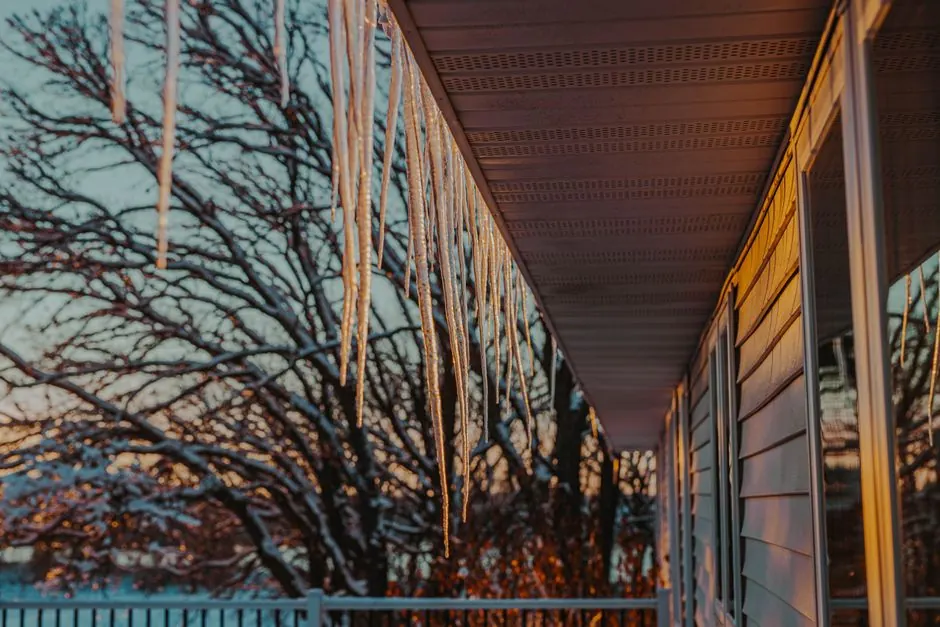
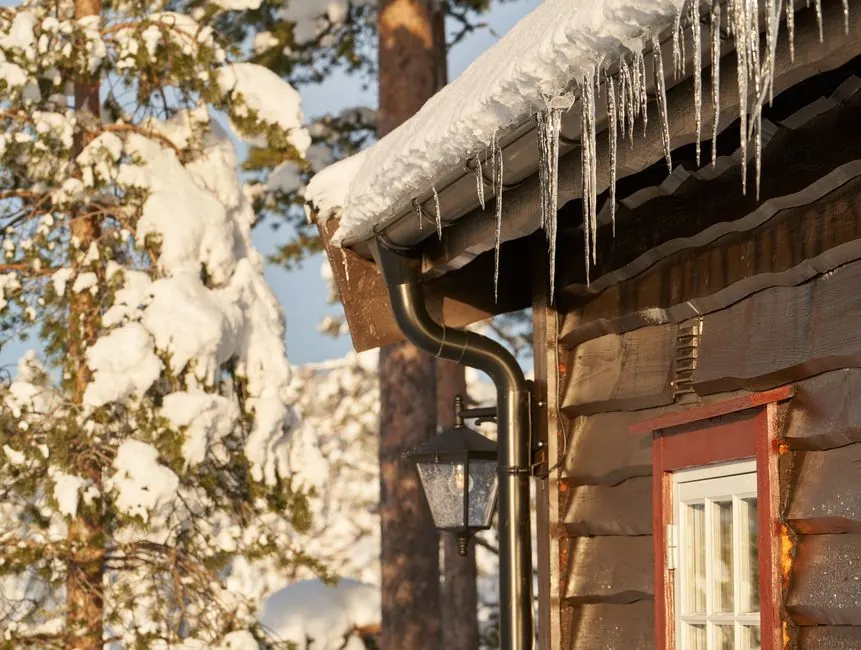
Controlled Steam Clearing

Our crew uses a low-pressure steam generator to melt a practical route through the ice. Work is performed in sections so trapped water can move toward an outlet without striking the roof with tools that can damage the surface.

Drainage Check

We check accessible gutters and downspouts for ice blockage that could keep water trapped at the eaves. You receive a clear account of whether runoff is moving and whether frozen drainage remains after the main dam is opened.

Interior Moisture Review

When water has entered, we note visible stains and affected rooms and discuss whether a moisture meter or restoration inspection is appropriate. Drying, drywall replacement, and finish repairs are follow-up work rather than ice removal itself.

Emergency Ice Dam Removal in Minnesota Explained


Emergency Ice Dam Removal in Minnesota is a specialized roof service that clears ice barriers quickly when trapped meltwater threatens to enter a building. We locate the dam and active leak, check roof access and surface conditions, then use a low-pressure steam generator to open safe drainage channels without striking shingles with hammers or chisels. We also inspect nearby gutters, downspouts, roof flashing, and interior ceiling water stains so the immediate hazard is addressed in context. The goal is controlled water release, not indiscriminate ice breaking.

Minnesota homes face repeated thaw-freeze cycles: indoor heat escapes through uneven attic insulation, snow melts on warmer roof areas, then refreezes at cold eaves. That pattern is common after a sunny day followed by a hard overnight freeze, especially when roof ice buildup blocks gutters or frozen downspouts hold water at the edge. Our Minnesota emergency ice dam removal service prioritizes active leaks and vulnerable ceilings. If you are searching for a Minnesota emergency contractor for leaking ice dams, tell us where water is appearing and when it began.

What to Expect During Service

Emergency roof response starts with the leak location and safe access, not a guess from the driveway. We explain each step, protect the work area, and keep you informed as water begins to drain.

01

Schedule

Call or book online — a real human picks up and confirms a 2-hour arrival window.

02

Diagnose

Licensed tech inspects on-site, then walks you through the cause and your options.

03

Fix

The job is completed to code and done right the first time — no shortcuts, no surprises.

04

Guarantee

Every job backed by a written workmanship warranty — and we stand behind it.

Tools and Safe Removal Methods

Tools & Equipment

Low-pressure steam generator

Produces controlled heat to melt an opening through dense roof ice without using impact force against shingles, flashing, or gutters.

Commercial steam hose and nozzle

Directs steam at the ice ridge in measured sections, allowing the technician to control the channel location and watch water release.

Telescoping snow rake

Removes reachable loose snow from the roof edge when appropriate, reducing added meltwater without scraping or striking the roof surface.

Fall-arrest harness

Supports a planned fall-protection system when roof access is appropriate, alongside secure ladder placement and job-specific safety checks.

Moisture meter

Checks accessible building materials for elevated moisture after a leak, helping distinguish a dry surface stain from material that needs drying.

Infrared camera

Helps identify temperature patterns that can indicate hidden wet areas, guiding targeted inspection rather than unnecessary wall or ceiling opening.

Methods & Standards

Controlled steam channeling

We melt a narrow path from the trapped water toward a safe roof edge or drainage outlet. The technician works in sections and avoids using a hammer, axe, or aggressive scraping on roofing. This reduces the chance of turning an ice blockage into damaged shingles or bent metal roofing.

Roof access and fall protection

Before work, we evaluate slope, ladder position, ice, wind, and the route for hoses. Our approach follows OSHA ladder safety requirements and OSHA fall protection requirements, with access rejected when conditions are unsafe. The crew keeps the work zone clear of people and directs runoff away from walking areas.

Water-loss triage

We separate roof removal from interior drying. After the source is controlled, we identify visible wet materials and discuss moisture checks, air movement, or dehumidification when appropriate. IICRC Water Damage Restoration Technician and Applied Structural Drying principles guide restoration work assigned to qualified personnel.

When Emergency Roof Help Is Needed

01

A thaw begins after a cold night, and water appears at a ceiling seam beneath an ice-packed eave.

What we do: We treat the active leak as the first priority, check the roof edge and drainage route, and use steam to create a channel through the dam. We then watch runoff and note any interior materials that need drying, keeping you informed while the water path is controlled.

→ The immediate blockage is opened and the leak source is addressed. You know whether water is draining and which interior areas need follow-up.

02

A rental unit reports a ceiling stain while a frozen downspout is backing water into the gutter.

What we do: We coordinate access with the property contact, assess the roof and gutter condition, and clear the ice restricting drainage where safely accessible. We document the visible interior impact so the manager can arrange drying or repair without confusing it with roof removal.

→ The property manager gets a clear account of the roof action, the remaining drainage issue, and the next steps for the affected unit.

03

A steep or tall roof has a heavy ridge of ice above an occupied entrance or walkway.

What we do: We evaluate ladder placement, fall protection, snow and ice conditions, and the safest work zone before starting. If conditions support access, we use controlled steam to relieve the dam and direct runoff away from the entrance. We do not send anyone onto an unsafe roof.

→ The hazardous ice is addressed only under safe access conditions, with runoff and pedestrian exposure considered throughout the job.

How Statewide Emergency Service Works

Minnesota's winter roof conditions vary across a long north-to-south service area. October brings the start of the freeze-thaw planning season: once snow accumulates, sunny roof surfaces can melt while shaded eaves stay cold, and overnight temperatures below freezing lock water into gutters. In the southern river communities, changing temperatures can create repeated melt cycles; northern locations often face longer cold periods and heavier persistent roof ice. We plan each call around roof pitch, snow depth, building height, road access, and whether water is actively entering. Our Minnesota urgent ice dam removal company uses controlled steam and safe access procedures rather than a single method for every roof. If you are deciding who to call for an ice dam emergency in Minnesota, describe the leak, roof type, and city so we can prioritize the right equipment. Building codes and permitting needs can differ by repair scope and local authority; emergency ice clearing is distinct from later roof reconstruction or structural work.

Neighborhoods We Serve

  • Summit-University

    Older homes and varied roof additions can create different eave temperatures. We check transitions and flashing where an active leak appears rather than assuming the main roof edge is the only source.

  • Downtown St. Paul

    Multi-story buildings and limited staging space require careful hose routing and a clear pedestrian zone. We assess access and runoff before positioning equipment.

  • North End

    A mix of roof ages and attic conditions can contribute to uneven snow melt. We focus on the leak point, safe ladder placement, and the path into gutters.

Local Conditions We Plan For

  • Rapid daytime thaw followed by a hard overnight freeze

    Water can travel beneath an ice ridge during the warm period, then freeze again at the eave. We prioritize a channel that can drain before the next temperature drop.

  • Deep snow cover on shaded roof slopes

    Snow can feed prolonged meltwater while cold eaves retain ice. Roof height and snow depth affect access, hose placement, and how much clearing is practical during an emergency visit.

  • Older roof assemblies with uneven attic insulation

    Heat loss can warm upper roof areas while the perimeter remains cold, encouraging recurring dams. We address the immediate blockage and flag attic moisture or insulation concerns for separate follow-up.

Active Bedroom Ceiling Drip

Before

A homeowner reported water dripping from a bedroom ceiling during afternoon thawing. Ice filled the eave and the gutter outlet was not carrying runoff. A spreading stain covered roughly two feet of drywall, while the attic insulation near the exterior wall felt damp to the touch.

After

Our crew opened a steam channel through the dam and checked the accessible gutter route. Water began draining during the visit, and the active drip stopped. The homeowner had a clear drying follow-up for the damp insulation and ceiling rather than an unresolved roof blockage.

Maintenance: After the event, monitor the ceiling stain and attic area during the next thaw. Keep gutters and downspouts clear when conditions allow, and address uneven attic insulation or air leakage through a qualified building professional.

Before

A property contact found water backing up behind an ice-filled gutter after snow began melting. The downspout was frozen, and water appeared along an interior wall near an upper-floor window. Continued freeze-thaw cycles threatened to repeat the leak.

After

We assessed the roof edge, steamed a drainage route, and checked the accessible downspout opening. Flow improved through the cleared section, and the interior leak stopped during the service visit. The property contact received a separate note about the remaining drainage and wall-drying needs.

Maintenance: Check the gutter and downspout route after temperatures rise above freezing, then before the next freeze. Repair loose gutter sections and keep discharge paths open so meltwater does not collect at the roof edge.

Before

A family noticed a ceiling water stain but no steady drip. Inspection found roof ice above the affected room and damp attic insulation near the eave, suggesting water had entered during an earlier thaw and spread beyond the visible mark.

After

We cleared the obstructed roof edge with controlled steam and checked the drainage path. The family arranged a moisture assessment for the attic and ceiling, targeting the damp area rather than opening large sections without evidence. The roof source was no longer holding water at the eave.

Maintenance: Have attic insulation and air leakage reviewed after materials are dry. Watch the same eave during future thaw periods; recurring ice at one location can indicate a persistent heat-loss or ventilation issue.

Stop Leaks Before Roof Ice Spreads

A roof-edge dam can turn ordinary melting snow into water under shingles and into ceilings. We prioritize the active entry point, open drainage with controlled steam, and explain what remains at risk so you can act before wet materials deteriorate.

Problem

Water dripping through a ceiling during a daytime thaw

Continued entry can stain drywall, wet insulation, and reach framing; a ceiling that begins to sag needs urgent attention and should not be punctured casually.

Our Fix

We locate the roof blockage feeding the leak and open a drainage channel with steam. The crew checks the interior area from a safe position and identifies whether water is spreading. If the ceiling is soft or bulging, keep people clear while we address the roof source and discuss restoration follow-up.

Problem

Ice-packed gutters holding meltwater against the roof edge

Standing water can refreeze overnight, widen the blockage, and force water beneath roof shingles or flashing during the next warm period.

Our Fix

We inspect the dam and accessible gutter route, then clear the obstruction that is preventing runoff where the emergency work allows. We verify flow at the outlet and explain any frozen downspout that remains. That check matters because an open roof channel is not useful if water has nowhere to go.

Problem

Hidden attic moisture after a roof ice leak

Wet or compressed attic insulation loses effectiveness and can conceal moisture in roof framing, increasing the chance of recurring stains or material damage.

Our Fix

Once the leak source is controlled, we identify attic areas that warrant a closer moisture check. A moisture meter or infrared camera can help locate damp materials beyond the visible stain. We explain whether drying equipment, insulation replacement, or a more detailed restoration inspection is the next practical step.

What Emergency Service Protects

What Emergency Service Protects

A leaking roof needs a practical response: stop the water path, reduce immediate exposure, and document what remains wet. We handle the roof hazard first, then explain the next repair or drying step so you know what to watch inside your home.

  • Reduce Active Water Entry

    We clear a controlled path through the dam so trapped meltwater can drain instead of backing beneath roof shingles. If water is already staining drywall, we locate the affected area and note whether moisture is spreading beyond the visible mark. The opening is made with steam, not impact tools that can crack roofing or deform gutters.

  • Protect Roof Materials

    A roof edge is not a place for aggressive chopping. Our technicians use measured steam and safe access practices around roof flashing, shingles, and metal roofing. We assess the slope and ice thickness before work; that helps avoid needless surface damage while addressing the blockage that is forcing water under the roof covering.

  • Limit Interior Damage

    Stopping the roof source promptly can reduce how long water reaches attic insulation, ceilings, and wall cavities. We identify visible wet areas and explain when a moisture meter or infrared camera is useful for finding hidden structural moisture. If materials are wet, you receive a clear next-step plan for drying and restoration.

  • Restore Drainage at Eaves

    Ice-filled gutters and frozen downspouts can keep meltwater trapped even after a channel is opened. We check the drainage route and clear accessible blockage when it is part of the emergency work. You leave with a practical account of what is draining, what remains frozen, and which roof or drainage issue needs follow-up.

Safety and Service Standards

Licensed & Certified

  • OSHA Fall Protection Requirements — issued by Occupational Safety and Health Administration
  • OSHA Ladder Safety Requirements — issued by Occupational Safety and Health Administration
  • IICRC Water Damage Restoration Technician — issued by Institute of Inspection, Cleaning and Restoration Certification
  • NRCA Roofing Safety Guidance — issued by National Roofing Contractors Association

Verified Reviews

Customer feedback Not stated

A homeowner described an active ceiling drip during a thaw. The crew used steam to open the roof-edge blockage, checked the runoff, and explained why the damp insulation needed separate follow-up. The useful part was knowing the leak source had been addressed before arranging interior drying.

Customer feedback Not stated

A property manager reported a frozen downspout and water staining near an upper-floor window. The service focused on the dam, then clarified which drainage issue remained and what the tenant should watch inside. The roof work and restoration needs were explained separately.

Customer feedback Not stated

A homeowner was concerned that ice removal would damage the shingles. The technicians assessed access first and used controlled steam rather than chopping at the eaves. They checked the channel after clearing and explained how attic insulation could contribute to recurring ice.

Field Knowledge for Ice Emergencies

Emergency work requires roof judgment as much as equipment. Our Minnesota team distinguishes an ice blockage from a roof defect, checks the route water is taking, and chooses a removal method suited to the roof surface and access conditions. We use trade safety practices, including OSHA fall protection requirements and NRCA roofing safety guidance, and coordinate water-damage follow-up with trained restoration professionals. Where a loss includes structural drying or microbial concerns, relevant IICRC training such as Water Damage Restoration Technician and Applied Structural Drying informs the next steps. We do not claim a credential unless the work is assigned to a qualified technician.

  • We assess roof shingles, metal roofing, eaves, and flashing before choosing where steam can safely open a drainage channel.
  • Our crew checks for attic moisture intrusion and wet or compressed insulation when access and conditions allow.
  • We use ladder tie-off and fall-arrest equipment appropriate to the roof access plan and OSHA safety requirements.
  • Water-damage follow-up distinguishes surface staining from moisture that has reached drywall, insulation, or framing.
  • We document the drainage path and remaining hazards so you have a useful handoff for repairs or restoration.
Get Started Today
Field Knowledge for Ice Emergencies

Cities We Serve Across Minnesota

Our statewide crews coordinate emergency roof service in metro communities, regional hubs, and colder northern service areas. Response planning considers weather, road access, roof height, and whether water is actively entering the building. The same-day ice dam removal contractor Minnesota homeowners need starts with clear details: your city, the leak location, and roof access. We serve established neighborhoods and smaller communities with equipment and a safety plan suited to each property.

St. Paul

We respond to active leaks across St. Paul, including older homes where roof additions, valleys, and varied attic insulation can create uneven eave ice. Our crew checks the drainage path before steaming.

Maple Grove

In Maple Grove, we prioritize water entering ceilings or attic spaces after a thaw. We assess roof pitch and gutter blockage, then open a controlled channel suited to the home's roof materials.

Mankato

Mankato calls often involve changing thaw conditions and roof-edge ice that traps runoff. We check the active leak, roof access, and downspout flow before deciding how to clear the dam.

Fridley

For Fridley properties, our team addresses the leak source first and checks whether frozen gutters are preventing drainage. We use controlled steam to protect roofing while opening a route for meltwater.

Winona

Winona's river-area weather can shift between thawing and freezing conditions. We assess roof exposure and safe access, then prioritize active water entry and confirm that the opened channel can drain.

Hastings

In Hastings, we focus on roof-edge dams feeding leaks around ceilings, exterior walls, or attic spaces. Our crew checks gutters and accessible downspouts alongside the steam-clearing work.

Sartell

Sartell homeowners can call when roof ice is forcing water beneath shingles or into a room. We evaluate snow and ice conditions, clear a measured channel, and explain any interior drying need.

Bemidji

Bemidji's extended cold periods can leave dense ice at shaded eaves. We plan equipment and safe access around persistent buildup, then check drainage so released meltwater does not remain trapped.

Sauk Rapids

We handle emergency leaks in Sauk Rapids by locating the blockage and checking roof access before work. Steam clearing opens a drainage path while limiting impact to shingles and gutters.

St. Peter

For St. Peter properties, we respond to thaw-related roof leaks and frozen gutter outlets. Our team identifies the water path, clears the immediate dam, and flags visible attic moisture for follow-up.

Detroit Lakes

Detroit Lakes roofs can hold ice through prolonged cold spells, especially on shaded slopes. We assess ice depth and access, then use controlled steam to relieve the blockage safely.

Thief River Falls

In Thief River Falls, persistent roof ice calls for careful planning around cold, snow, and footing. We prioritize active leaks and verify the drainage route after opening the dam.

Shorewood

Shorewood homes with complex rooflines or valleys need targeted clearing rather than broad ice removal. We inspect the leak location and use steam where it can safely restore runoff.

Stewartville

Stewartville emergency visits focus on active water entry during warm spells and overnight refreezing. We clear the roof-edge obstruction and check whether gutters or downspouts remain blocked.

St. Paul Park

Our St. Paul Park response addresses the roof dam, the leak path, and accessible drainage concerns. We explain what stopped the water and what interior materials need a separate moisture check.

Emergency Ice Dam Removal FAQs

Real answers to the questions we hear most often from local homeowners and property managers.

When should I call for emergency ice dam removal in Minnesota?
Call as soon as water is entering the home, a ceiling is bulging, or a roof-edge ice dam is forcing water beneath shingles. Active dripping, spreading ceiling water stains, or water near electrical fixtures needs prompt attention. Move belongings, catch drips if safe, and avoid climbing onto the roof. We assess the leak, access conditions, and drainage blockage, then explain the immediate work needed to reduce further water entry.
Is 24/7 emergency ice dam removal available in Minnesota?
Yes, emergency calls are accepted around the clock, with response timing based on location, weather, and safe travel conditions. Our 24/7 emergency ice dam removal services in Minnesota focus first on active leaks and immediate roof hazards. Tell us your city, where water is appearing, and whether the leak is worsening. Do not use a ladder or attempt to chip ice while waiting; roof edges and frozen ground create serious fall risks.
How quickly can an urgent ice dam removal contractor respond?
Response timing depends on the call queue, road conditions, and roof safety; we give you the current expected arrival window when coordinating service. Active leaks receive priority over preventive clearing. Share clear details about the building height, roof access, and indoor water location so we can plan equipment and urgency. Once on site, a simple eave channel often takes one to three hours, while thick ice or complex access extends the job.
What should I do if an ice dam is causing a leak?
Catch dripping water, move valuables, and call for roof help immediately; stay away from wet electrical fixtures and sagging ceilings. Do not climb onto the roof or strike the ice. Our team checks the entry point, uses controlled steam to open drainage, and reviews the wet interior area. If water has reached drywall or insulation, we discuss drying and inspection after the roof source is controlled.

Related Roof and Water Services

Ice Dam Removal

This service addresses ice dams without the same immediate leak priority, helping clear roof-edge buildup before water reaches your interior. We assess the roof surface and drainage route, then select a suitable removal approach for your home and conditions.

View Ice Dam Removal

Steam Ice Dam Removal

Steam removal uses controlled heat to melt a drainage route through dense roof ice. It is often the direct method for an emergency blockage because it avoids hammering at shingles and helps water move toward an available outlet.

View Steam Ice Dam Removal

Roof Snow Removal

Heavy roof snow can add load and feed repeated thawing at the eaves. We remove snow from appropriate roof areas with attention to roofing materials and access, reducing the meltwater supply that can contribute to another ice blockage.

View Roof Snow Removal

Gutter Ice Removal

Frozen gutters can prevent a newly opened channel from draining away from the roof. We address accessible ice blockage and check whether the gutter route is clear enough to carry meltwater without pushing it back under the roof edge.

View Gutter Ice Removal

Gutter and Downspout Clearing

A blocked downspout can trap water at the eaves even after the dam is opened. Clearing the drainage route helps restore flow from gutter to discharge point and reduces standing water that could refreeze during a cold snap.

View Gutter and Downspout Clearing

Ice Dam Roof Leak Repair

After the ice is cleared, roof repairs may be needed if flashing, shingles, or underlayment were damaged or already failing. We help identify the visible repair concern and address the roof source so the next thaw does not repeat the leak.

View Ice Dam Roof Leak Repair

Call for Emergency Roof Ice Help

If water is coming through your ceiling, call Minnesota Ice Dam Pros at +16125550100. Our team will focus on the active leak, safe roof access, and a controlled steam-clearing plan. We follow OSHA fall-protection practices on roof work.

Call Now Call Our Team

Contact Minnesota Ice Dam Pros

Call +1 612-555-0100 for ice dam removal or frozen pipe help across Minnesota. We take urgent calls around the clock and respond with practical questions about the leak, roof access, or water service so we can direct the right crew. Share your community and what you see; we will explain the next step and pricing before work starts.

Or call us right now at +16125550100 — we answer.

Minnesota Ice Dam Pros


  • Phone

    +16125550100
  • Address

    Minnesota

  • Hours

    Mon–Fri: 7AM – 7PM
    Sat: 8AM – 4PM
    Sun: Emergency Only
    24/7 Emergency Available

Call +16125550100 Get Quote
Call Quote