
Residential ice dam removal for Blaine homes
Blaine residential roofs range from straightforward eaves to layouts with multiple valleys, dormers, and lower roof intersections. Repeated snow events can leave drifts in one section while another stays relatively clear, and freeze-thaw cycles can lock gutters and downspouts. Our team handles ice dam removal services in Blaine, Minnesota, for homeowners dealing with a roof ridge, a ceiling stain, or a frozen drainage route. We plan work around safe ladder placement, household entry, parked vehicles, and the location of the active leak. If water has reached the attic or finished rooms, we can check accessible materials and discuss drying after the roof source is controlled. You get a clear sequence: inspect, remove or clear the obstruction, and identify any follow-up needed for the home.
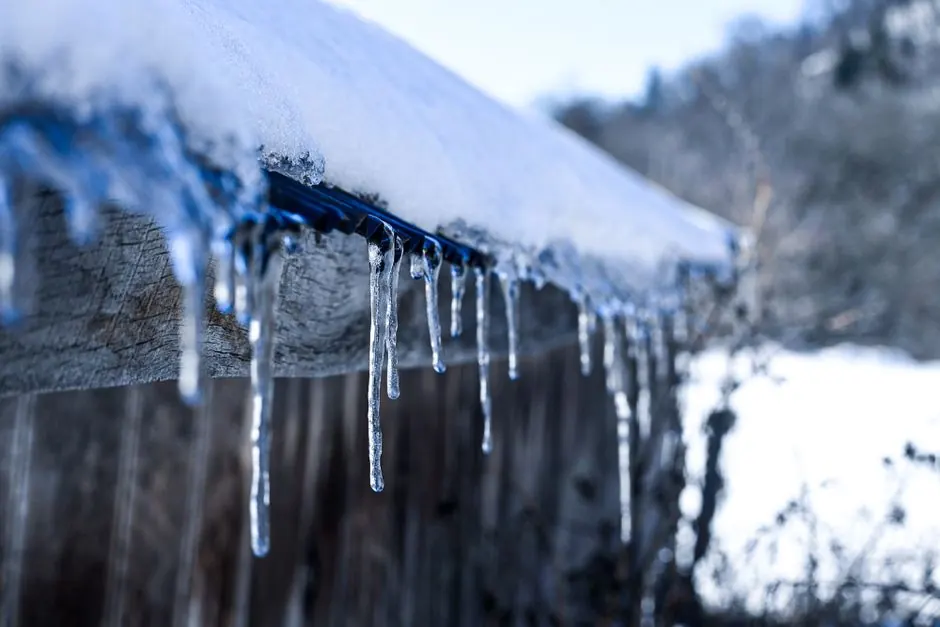
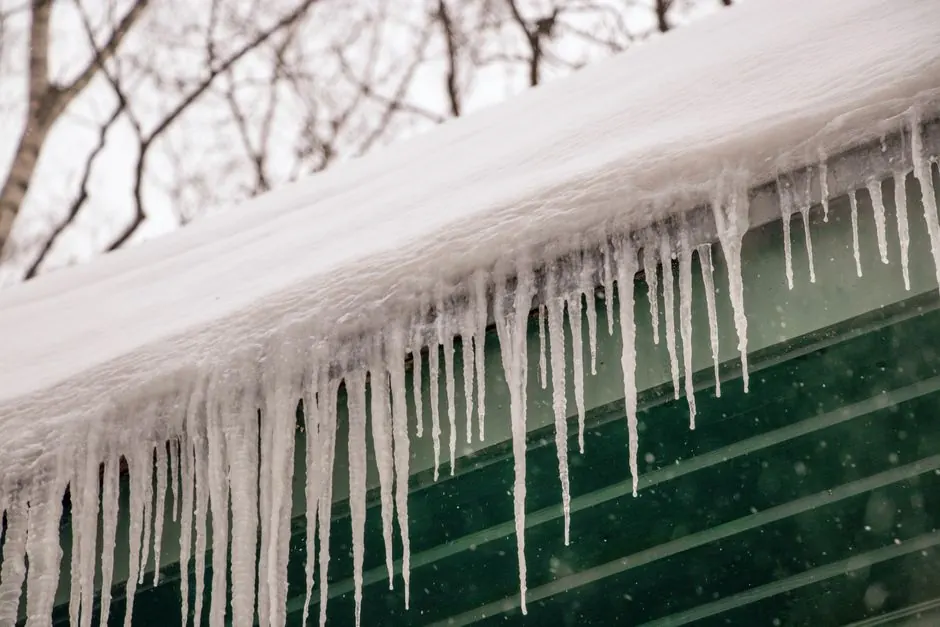
- Targeted roof ice removal — We inspect the affected eave and roof valley, then use controlled steam to open drainage where an ice dam is holding meltwater. In Blaine, roof pitch and access vary from house to house, so we choose the work area based on the actual ice pattern. We avoid striking shingles and check that runoff has a route away from the roof edge.
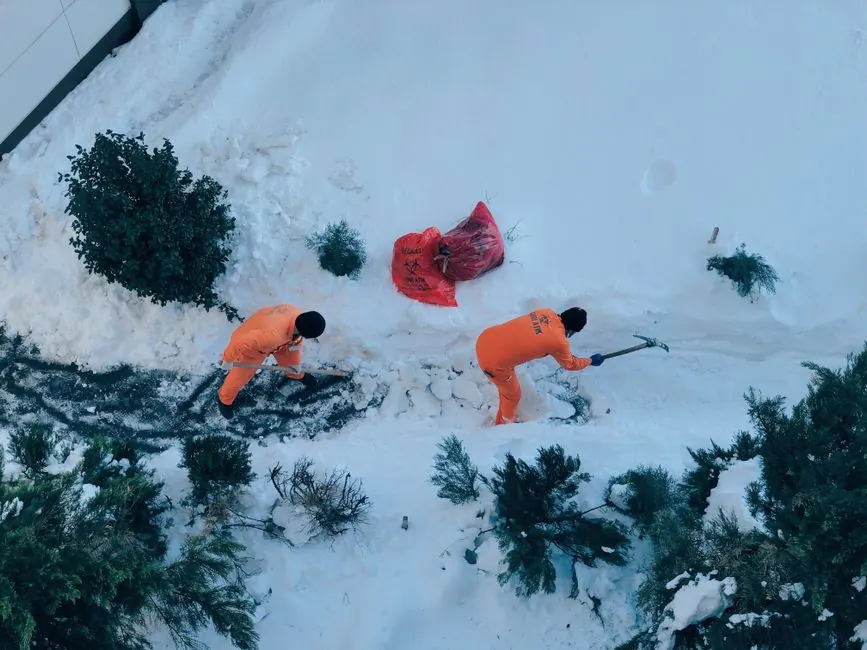
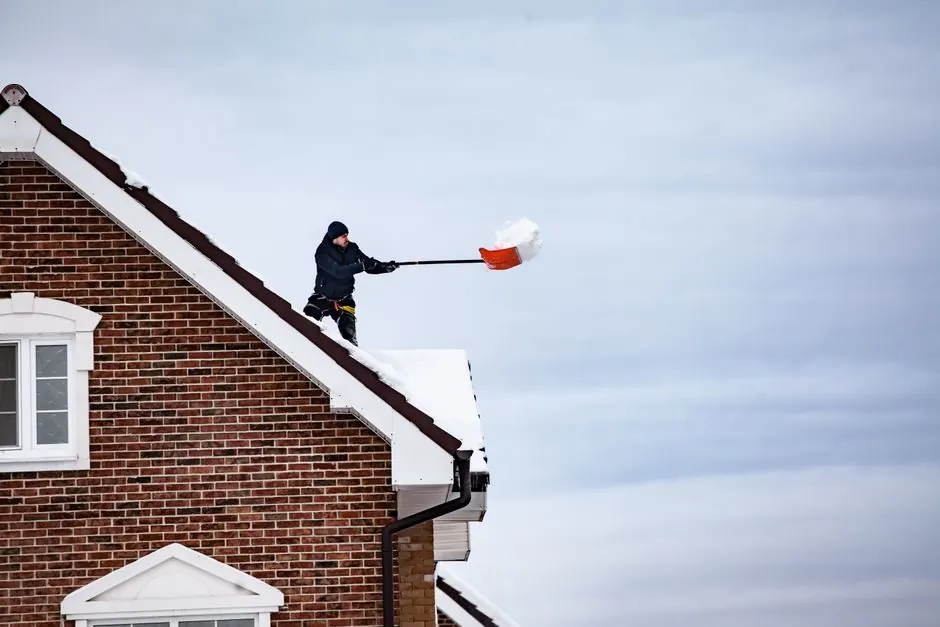
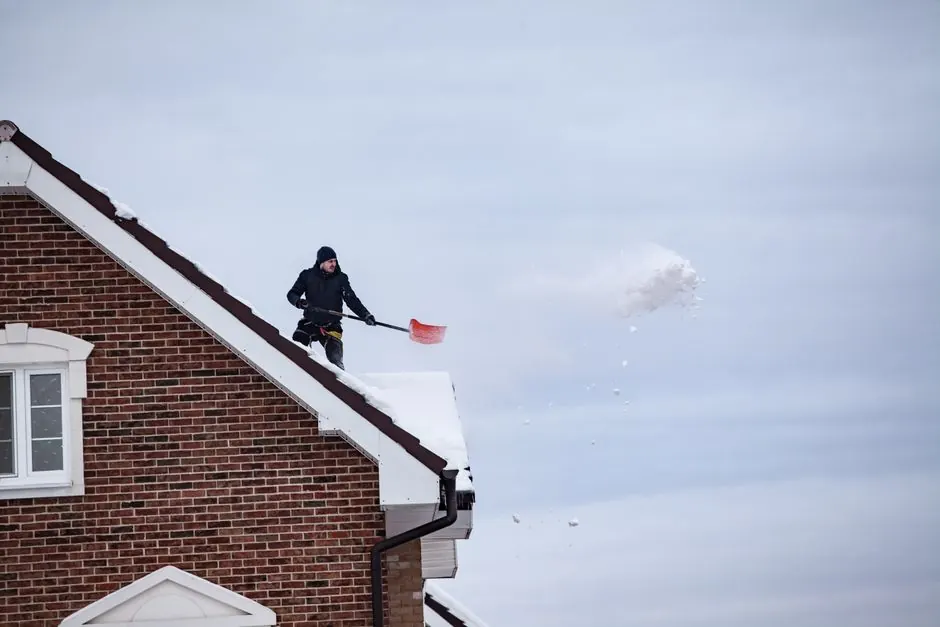
- Snow clearing at roof edges — When roof snow is feeding a developing ice barrier, we remove selected sections with careful attention to the roof covering. Our crew avoids scraping down to shingles and watches for drifting around valleys and lower roof intersections. Blaine homeowners can call before a leak starts or when an existing snow load needs a safer, targeted reduction.
- Gutter and downspout clearing — We clear accessible ice from gutters and downspout paths so meltwater can leave the eaves. Freeze-thaw conditions in Blaine can block the outlet even when part of the gutter appears open. We check the connected drainage route and identify whether roof ice remains, rather than treating a frozen downspout as the only problem.
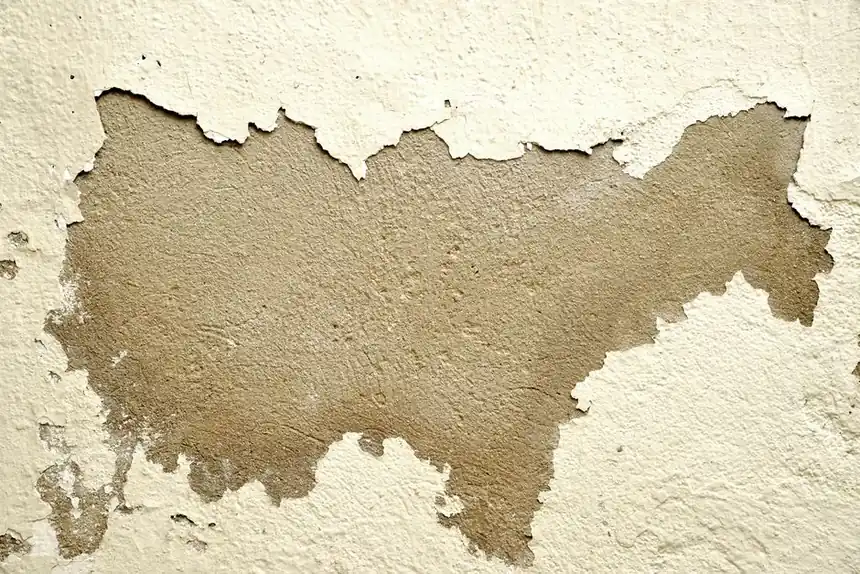
- Attic and ceiling moisture checks — If your Blaine home has a ceiling mark or a musty attic area, we inspect accessible materials for signs of moisture intrusion. We check insulation and visible sheathing, and use a moisture meter where readings help determine whether drying is needed. If drywall is wet, we explain the next repair steps after the leak source is addressed.