
Logo
Get Estimate

Attic ice dam damage inspection in Minnesota

Find concealed leaks before moisture spreads through your home


Attic ice dam damage inspection in Minnesota helps homeowners identify roof leaks, wet insulation, and concealed moisture after ice builds along the eaves. Our Minnesota attic ice dam damage inspection service is for you if ceiling stains appeared, water dripped during a thaw, or an ice dam formed above a finished attic. We trace the water path, record affected materials, and explain practical next steps before a small winter leak becomes a larger repair.

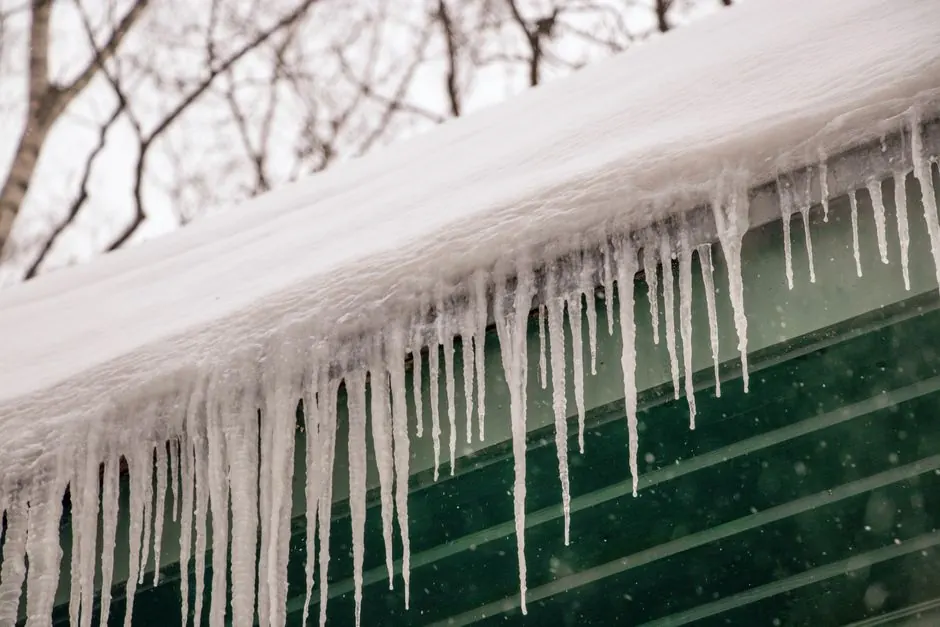
Winter scene of icicles hanging from a rooftop after heavy snowfall.
Licensed Licensed & Bonded
Fully Insured Insured & Bonded
24/7 Emergency Same-Day Response
Warranty Backed Workmanship Guaranteed

What the attic inspection includes

Your inspection covers accessible attic areas connected to the reported ice dam leak: visible roof framing and sheathing, insulation condition, moisture evidence, and likely water paths. We document observations and explain immediate priorities. Repairs, full microbial remediation, and drying equipment are separate work when needed; the inspection identifies the conditions that determine whether those steps are appropriate.

Roof-side leak tracing

We inspect accessible roof sheathing, framing joints, valleys, penetrations, and flashing-related areas for staining, water trails, or visible damage. Following the path matters because water can move along a rafter before it drips into a room. We connect those clues to the reported ceiling location.
Insulation condition check

We look for wet, compacted, displaced, or visibly stained insulation near the suspected leak. If material is accessible, we compare suspect sections with nearby areas and note whether moisture appears localized or spread across multiple bays. This helps determine whether drying or selective replacement should be discussed.

Moisture readings and photos

We record moisture-meter readings at suspect materials and compare them with a nearby reference area. Photos show where readings were taken and what visible conditions were present. Those details give you a practical record for repair coordination and follow-up checks after drying.

Interior symptom correlation

We compare attic evidence with ceiling water stains, damaged drywall, and the timing of drips or thaw-related changes. This helps separate a likely ice dam leak from other possible sources. You receive a plain-language explanation of the evidence and which areas deserve attention first.

Attic ice dam damage inspection in Minnesota


Attic ice dam damage inspection in Minnesota is a building-envelope assessment that locates and documents moisture intrusion after ice dams force meltwater beneath roof materials. We inspect accessible roof framing, roof sheathing, insulation, vapor barrier, and the underside of likely leak areas, then compare visible staining with moisture-meter readings. The inspection follows water paths rather than assuming the ceiling stain marks the entry point. You receive clear findings about what is wet, what appears dry, and which repair or drying steps should come next.

Minnesota homes face repeated freeze-thaw cycles, roof ice buildup, gutter ice blockage, and frozen downspouts, but exposure differs from one region and roof design to another. In Lakeville and St. Louis Park, a thaw can expose a leak days after snow first accumulated; in Owatonna, wind-driven snow can complicate the entry path. If you need to inspect attic damage after an ice dam Minnesota homeowners should act once access is safe, especially when insulation feels damp or ceiling water stains keep growing.

How the inspection works

Minnesota attic ice dam damage inspection follows a practical sequence: gather the leak history, inspect safely, measure suspect materials, and explain the findings. Many accessible residential inspections take about 1.5 to 3 hours; extensive layouts or difficult access take longer. We tell you what we are checking as we go, then review the next steps with you before leaving.

01

Schedule

Call or book online — a real human picks up and confirms a 2-hour arrival window.

02

Diagnose

Licensed tech inspects on-site, then walks you through the cause and your options.

03

Fix

The job is completed to code and done right the first time — no shortcuts, no surprises.

04

Guarantee

Every job backed by a written workmanship warranty — and we stand behind it.

Inspection tools and methods

Tools & Equipment

Moisture meter

We use a moisture meter to compare suspect wood or insulation with nearby reference areas. The readings help locate damp materials and document whether a visible stain corresponds with current moisture.

FLIR infrared camera

A FLIR infrared camera helps us identify temperature patterns that may point to insulation gaps or evaporative cooling. We verify suspected moisture with direct observation or a moisture meter rather than treating an image as proof.

Werner extension ladder

A Werner extension ladder provides controlled access for exterior observation when the ground and setup are suitable. Our technicians follow OSHA ladder safety requirements and use fall protection where the task calls for it.

Commercial dehumidifier

When inspection findings show a drying need, a commercial dehumidifier can help control moisture in an affected space. Equipment selection and placement depend on the materials, area, and moisture readings documented during assessment.

Methods & Standards

Moisture mapping

We take readings at the suspected water path and compare them with nearby areas that appear unaffected. A simple map records where moisture was found and where it was not detected. This reduces reliance on a single reading and helps target drying or follow-up checks.

Roof-to-interior correlation

We compare roof details and attic evidence with interior stains, drips, and the timing of weather changes. Water trails may cross several framing members, so we follow the evidence back toward a likely entry point. The method helps distinguish roof leakage from unrelated plumbing or condensation concerns.

Safe access assessment

Before attic or exterior access, we check the hatch, floor stability, clearance, ladder footing, and hazards such as exposed fasteners. Exterior ladder work follows OSHA ladder safety requirements and applicable fall protection practices. We avoid walking on icy or snow-covered roof surfaces during leak investigation.

Restoration-informed documentation

Where water damage is present, we record affected material types, visible conditions, and moisture readings before drying or removal. IICRC Water Damage Restoration Technician practices inform the documentation and sequencing. This gives you a usable reference for drying progress and decisions about rebuilding.

When to request an inspection

01

A ceiling stain appeared during a thaw after snow and ice collected along the roof edge.

What we do: We inspect the attic above and around the stain, follow visible water trails, and measure suspect sheathing or insulation. We also ask when the drip started so the leak pattern can be compared with thaw conditions and roof details.

→ You learn whether moisture remains, which materials are affected, and whether roof repair or drying should happen before interior finishes are replaced.

02

The leak stopped, but the attic smells musty or insulation looks compressed near the eaves.

What we do: We check the area for residual moisture, compare suspect materials with nearby dry sections, and document visible changes. If access is tight, we focus on safe, reachable evidence and explain any limits clearly.

→ You get a grounded decision about drying, selective insulation replacement, and whether further microbial assessment is warranted.

03

A roofer cleared the ice, but no one checked the attic or the rooms below.

What we do: We assess the interior side after exterior work, looking for water that entered before the ice blockage was removed. Moisture readings and photographs help establish the condition of sheathing, framing, and insulation after the event.

→ You can address remaining moisture before painting or installing new drywall, reducing the chance of concealing damaged materials.

04

You are preparing for another freeze-thaw cycle after a previous winter leak.

What we do: We inspect the prior leak zone for unresolved staining or moisture and note roof details that deserve attention. In October, this check can help you plan before sustained snow and ice place the same area under pressure.

→ You enter the winter with a documented baseline and a clear repair priority for the roof or attic area.

How Minnesota attic inspections work

Minnesota weather makes timing part of the inspection. In October, we help homeowners check previous leak areas before sustained snow; through winter, freeze-thaw cycles can push water under shingles and roof flashing; in spring, melting snow can reveal damage that stayed hidden for weeks. Northern communities such as Cloquet and International Falls face colder, longer snow periods, while southern locations such as Fairmont and Owatonna can see windy snow and rapid warm-ups. Roof age, ventilation, insulation depth, and attic access all change how the evidence appears. Our Minnesota attic ice dam damage inspection service checks those details without assuming every roof behaves alike. If you need a roof and attic assessment for ice dam damage Minnesota homeowners can use to plan repairs, we document moisture, affected materials, and the likely water route. We follow applicable safety requirements for access; building-code requirements vary by project and jurisdiction, so repairs are matched to the property and local authority requirements.

Neighborhoods We Serve

  • Lakeville residential areas

    We inspect eaves, valleys, and attic spaces after thaw-related stains, paying attention to finished rooms where a small roof leak can travel before reaching a ceiling.

  • St. Louis Park established homes

    Older roof details and remodeled attic spaces can complicate access. We document the suspected leak path and compare it with nearby framing and insulation conditions.

  • Duluth hillside properties

    Wind exposure and changing roof elevations can create uneven snow accumulation. We focus on safe attic-side evidence rather than walking an icy slope.

  • Rochester neighborhoods

    After a winter thaw, we check whether moisture is limited to one roof bay or has moved along framing into finished rooms below.

Local Conditions We Plan For

  • Repeated freeze-thaw cycles at shaded roof eaves

    Ice can persist at cold eaves while upper roof areas warm, allowing meltwater to collect behind a dam. We look for staining and damp insulation near those transitions, then compare readings with surrounding dry materials.

  • Wind-driven snow around valleys and roof penetrations

    Blown snow can accumulate unevenly and melt near flashing or roof transitions. The inspection follows visible water trails and checks likely entry details instead of assuming the leak sits directly above the ceiling stain.

  • Deep insulation or restricted attic access

    A hatch blocked by stored items or deep loose insulation can limit safe movement and hide framing. We assess access first, inspect reachable areas, and explain what additional access is needed for a complete view.

Thaw leak above a bedroom

Before

A homeowner noticed a 10-inch ceiling stain after a warm spell, but no water was dripping during the visit. The attic hatch opened into a low-clearance area, and the visible insulation looked dry. Without checking the roof sheathing or tracing water along framing, the source and extent remained unclear.

After

The inspection found damp sheathing across two framing bays and compressed insulation near the eave. Readings were recorded at four suspect points and compared with two nearby reference points. The homeowner received photos, a likely water path, and a repair sequence: address the roof entry, dry affected materials, then repair the ceiling.

Maintenance: After roof work, recheck the same four marked locations when materials have had time to dry. Keep the attic hatch accessible and watch the ceiling through the next thaw; a growing stain or new drip warrants another assessment.

Before

A stain appeared several feet from a roof valley, so the homeowner suspected a plumbing line. The visible ceiling mark was about 6 inches wide, while the attic inspection area extended across a larger section of sloped roof. No one had yet compared the interior symptom with roof-side evidence.

After

Water trails were found along a rafter leading away from the valley, with elevated readings at three points near the sheathing. The inspection connected the ceiling stain to a likely roof entry route and documented the affected area. The homeowner could direct roof repair to the relevant detail rather than opening the wrong wall.

Maintenance: Once the roof detail is repaired, keep photographs and readings with the property records. Check the ceiling and accessible attic area after the next significant thaw, and address any new staining before repainting.

Before

An ice blockage had been cleared from the roof edge, and indoor dripping stopped. The homeowner assumed the problem was finished, though a musty odor remained in the attic and one insulation section felt compacted. The roof-side work had not included an interior moisture check.

After

The inspection identified a localized damp area and recorded readings at five locations. The team explained which insulation section required drying or replacement and found no comparable moisture in adjacent reference areas. The homeowner had a defined repair area instead of replacing insulation across the entire attic.

Maintenance: Keep the affected area accessible until drying is complete and readings return toward nearby dry material. Review the roof edge and indoor ceiling after future thaw periods; recurring odor or a new stain signals that the area needs attention.

Find hidden moisture after an ice dam leak

An ice dam leak can leave damage beyond the visible stain, especially when water follows framing or settles into insulation. We check the likely route, identify materials that need attention, and help you avoid rebuilding over moisture. Your next step is based on observed conditions, not guesswork.

Problem

Ceiling stain grows after every warm spell

A recurring stain suggests moisture is still entering or stored above the finish. Ignoring it can damage drywall and keep roof framing damp.

Our Fix

We compare the timing of the stain with attic evidence, inspect likely eave and roof details, and take readings around the affected area. If moisture remains, we identify its location and explain the order: stop the entry, dry affected materials, then repair the ceiling.

Problem

Insulation feels damp but the roof looks intact

Wet or compressed attic insulation can lose performance and conceal moisture against sheathing. A quick glance may miss the affected bay.

Our Fix

We inspect accessible insulation and surrounding wood, noting dampness, compression, and visible water trails. Readings are compared with nearby material so you can see whether the condition is isolated or broader. We then explain whether drying, selective removal, or further assessment is warranted.

Problem

The leak appears far from the roof entry

Water can travel along framing before it reaches drywall, so repairing only the stained room can leave the entry point active.

Our Fix

We trace stains and moisture patterns from the interior symptom toward roof details, including penetrations and roof flashing. Our findings help connect the likely entry area to the affected room and give your repair professional a more precise starting point.

Problem

A musty smell remains after the drip stops

A stopped drip does not confirm that hidden materials are dry. Retained moisture can keep odor present and delay safe finish repairs.

Our Fix

We check accessible attic materials around the reported odor and use moisture readings to locate suspect sections. If conditions indicate a need for drying or microbial evaluation, we describe the affected zone and the appropriate next step instead of masking the smell.

Know what the leak affected

Know what the leak affected

A careful inspection separates surface marks from active moisture and helps you avoid opening sound materials or overlooking wet ones. We connect the roof-side evidence to what you see indoors, document the affected areas, and give you a focused next step. That makes the repair decision clearer before the next thaw.

  • Find concealed moisture

    A dry-looking ceiling does not prove the framing above it is dry. We use a moisture meter to check suspect sheathing, rafters, and insulation at several points, then note the readings and locations. This attic ice dam damage assessment in Minnesota helps you distinguish an old stain from moisture that still needs drying or repair.

  • Limit unnecessary opening

    We map water stains, roof penetrations, and insulation disruption before recommending access through finished drywall. A targeted inspection can help keep a one-room leak from becoming a broad demolition project. You get a clear explanation of what the evidence supports, including whether a small test opening is useful.

  • Protect indoor air and materials

    Wet or compressed attic insulation loses performance and can hold moisture against wood. We identify damp areas, visible microbial growth, and damaged vapor barrier so you can address the cause instead of covering the stain with paint. If drying is needed, we describe the affected area and appropriate equipment.

  • Plan the right repair

    Inspection findings help coordinate roof work, insulation replacement, and interior restoration in the right order. We record the likely water entry route and the materials affected, so you can prioritize urgent repairs first. That is especially useful when roof flashing, underlayment, and ceiling finishes need different trades.

Credentials and standards

Licensed & Certified

  • IICRC Water Damage Restoration Technician (WRT) — issued by Institute of Inspection, Cleaning and Restoration Certification
  • IICRC Applied Structural Drying (ASD) — issued by Institute of Inspection, Cleaning and Restoration Certification
  • IICRC Applied Microbial Remediation Technician (AMRT) — issued by Institute of Inspection, Cleaning and Restoration Certification
  • OSHA fall protection requirements — issued by Occupational Safety and Health Administration

Verified Reviews

Customer feedback Not stated

A Lakeville homeowner described finding damp insulation even though the attic looked dry from the hatch. The inspection included moisture readings and photos, followed by a clear drying and ceiling-repair sequence.

Customer feedback Not stated

A St. Louis Park customer reported that the team traced a bedroom leak along a rafter to the roof edge. The findings helped direct roof repair and avoided treating the window as the source.

Customer feedback Not stated

An Owatonna homeowner said the inspection documented compressed insulation and damp sheathing after a thaw. The team explained what needed attention and what could remain, giving the family a focused repair plan.

Practical inspection expertise

Minnesota Ice Dam Pros approaches attic leaks as both a roofing and moisture problem: water entry must be traced, affected materials identified, and safe access maintained. Our local experience includes homes with shallow-pitch roofs, finished attics, layered insulation, and older roof details that complicate leak paths. Where restoration work is needed, our team applies relevant IICRC Water Damage Restoration Technician (WRT) practices and documents conditions before drying or material removal. We keep the inspection focused on evidence you can see and decisions you can act on.

  • We compare moisture-meter readings in the suspected leak zone with nearby dry material instead of treating one reading as a diagnosis.
  • We look for water migration along rafters, roof penetrations, valleys, and flashing before identifying a likely entry point.
  • Our inspection notes distinguish visible staining, measured moisture, compressed insulation, and material damage.
  • We follow OSHA ladder safety requirements and fall protection requirements when inspection access involves elevated exterior work.
  • When drying is required, we coordinate findings with restoration methods and explain what needs monitoring after equipment is removed.
Get Started Today
Practical inspection expertise

Cities we serve across Minnesota

Our statewide coverage brings attic assessments to metro communities, southern farm regions, and colder northern areas. Minnesota attic ice dam damage inspection service is adapted to the roof, access, and weather conditions at your property, not delivered as a one-size checklist. From Lakeville and Savage to Cloquet and International Falls, we document the leak path and affected materials so your next repair decision is based on the conditions at your home.

Lakeville

In Lakeville, we inspect attic areas after thaw-related ceiling stains and look for damp insulation near eaves, valleys, and roof transitions.

St. Louis Park

For St. Louis Park homes, we trace water through remodeled or older attic layouts and compare roof-side staining with the room where water appeared.

Savage

Savage inspections focus on the reported leak zone and nearby roof details, documenting whether moisture is limited to one bay or has spread.

Owatonna

In Owatonna, we check for wind-driven snow and thaw-related leak paths, then record moisture in sheathing and insulation around the affected eaves.

Otsego

Otsego homeowners receive a roof-to-room assessment that follows water trails beyond the visible ceiling mark and identifies materials needing attention.

South St. Paul

We inspect South St. Paul attics for recurring stains, damp framing, and insulation changes after ice buildup blocks normal roof-edge drainage.

Hugo

In Hugo, our team checks accessible attic bays and roof transitions, using moisture comparisons to separate active leaks from old discoloration.

New Ulm

New Ulm inspections document the likely entry route and affected materials after snowmelt, helping homeowners plan roof repairs before replacing interior finishes.

Cloquet

For Cloquet homes, we account for extended cold periods and persistent snow by checking attic moisture near shaded eaves and roof details.

Fairmont

In Fairmont, we look for leak evidence after changing winter conditions, including water trails that move along framing before reaching a ceiling.

East Grand Forks

East Grand Forks service includes a careful attic-side review after prolonged snow and cold, with findings recorded for practical repair follow-up.

Mahtomedi

Mahtomedi homeowners can have suspect roof bays checked for damp sheathing, wet insulation, and water migration that may sit away from the stain.

Medina

In Medina, we inspect the attic layout and roof details around the leak, then explain which materials are wet and what should happen next.

International Falls

Our International Falls inspections account for longer cold and snow periods, checking shaded roof edges and attic materials for concealed moisture.

Becker

Becker service focuses on tracing thaw-related water entry and documenting insulation or sheathing conditions before homeowners begin interior repairs.

Frequently Asked Questions

Real answers to the questions we hear most often from local homeowners and property managers.

What does an attic ice dam damage inspection include?
An attic ice dam damage inspection includes a visual review of accessible roof sheathing, framing, insulation, vapor barrier, and leak paths, plus moisture readings in suspect materials. We photograph relevant conditions and explain what appears active, stained, or damaged. Most accessible residential inspections take about 1.5 to 3 hours. If you need a check attic insulation and sheathing after an ice dam assessment, we focus measurements on the areas where water evidence and roof details align.
When should I inspect my attic after an ice dam leak?
Inspect the attic as soon as water intrusion is noticed and safe access is available, ideally within 24 to 48 hours. Early readings help identify wet insulation and wood before a later thaw spreads the damage. Do not climb onto an icy roof; call for an attic assessment and control active interior dripping with a container. If a ceiling begins to bulge, keep people clear and arrange prompt professional attention.
Can an ice dam cause hidden attic mold or moisture damage?
Yes, trapped moisture can wet insulation and wood and support microbial growth if materials remain damp. The risk depends on how much water entered, how long materials stayed wet, and indoor conditions; visible growth is not required for hidden moisture to exist. We use direct inspection and moisture readings to identify suspect areas. If growth or extensive wet material is found, we explain appropriate drying or remediation steps rather than covering the evidence.
How much does an attic ice dam damage assessment cost?
A focused residential assessment commonly costs $225 to $650, with larger or difficult-access homes reaching $850 or more in 2026. Price depends on attic size, number of leak areas, access, and whether moisture mapping or a written photo record is needed. We explain the price upfront before work starts. Repairs, drying equipment, and material replacement are separate work and depend on what the inspection finds.

Related Services

Ice Dam Removal

When an active ice dam continues pushing meltwater beneath the roof edge, removal addresses the exterior cause while the inspection documents interior effects. We assess roof conditions and select a method suited to the surface, helping you avoid treating a ceiling stain while water is still entering.

View Ice Dam Removal

Emergency Ice Dam Removal

Active dripping during a storm or thaw needs prompt attention to reduce further water entry. Emergency removal addresses hazardous ice buildup, while an attic inspection checks whether water reached insulation, framing, or finished rooms. We connect the two findings so urgent exterior work and interior protection follow a sensible order.

View Emergency Ice Dam Removal

Steam Ice Dam Removal

A low-pressure steam generator can loosen an ice dam without the impact of chopping at roof materials. After the exterior blockage is addressed, our attic inspection checks for wet sheathing and insulation beneath the affected eaves. That pairing helps you understand both the immediate roof condition and any hidden leak damage.

View Steam Ice Dam Removal

Roof Snow Removal

Excess roof snow can add load and feed recurring ice buildup at cold eaves. Roof snow removal reduces that exposure; the attic inspection then checks for existing moisture from earlier meltwater. We look for compressed insulation and staining so snow management does not leave an undiagnosed leak behind.

View Roof Snow Removal

Gutter Ice Removal

Ice packed in gutters can obstruct drainage and contribute to water backing up at the roof edge. Once access is safe, gutter ice removal clears the blockage, and an attic assessment checks whether water crossed the roof line. We also note related gutter or fascia conditions that need follow-up.

View Gutter Ice Removal

Gutter and Downspout Clearing

Clearing gutters and downspouts restores a drainage path when ice or debris holds water near the eaves. If an ice dam has already caused indoor symptoms, an attic inspection checks for moisture behind the visible stain. You get a clearer picture of drainage conditions and any interior damage that remains.

View Gutter and Downspout Clearing

Schedule attic ice dam damage inspection

A stain, musty odor, or damp insulation after ice buildup deserves a direct check before you close the ceiling. Call Minnesota Ice Dam Pros at +16125550100 and we will inspect the evidence, explain the findings, and give you the next repair step.

Call Our Team Schedule Inspection

Contact Minnesota Ice Dam Pros

Call +1 612-555-0100 for ice dam removal or frozen pipe help across Minnesota. We take urgent calls around the clock and respond with practical questions about the leak, roof access, or water service so we can direct the right crew. Share your community and what you see; we will explain the next step and pricing before work starts.

Or call us right now at +16125550100 — we answer.

Minnesota Ice Dam Pros


  • Phone

    +16125550100
  • Address

    Minnesota

  • Hours

    Mon–Fri: 7AM – 7PM
    Sat: 8AM – 4PM
    Sun: Emergency Only
    24/7 Emergency Available

Call +16125550100 Get Quote
Call Quote