
Logo
Get Estimate

Ceiling and wall water damage repair in Minnesota

Stop the leak, dry the structure, restore the room


Ceiling and wall water damage repair in Minnesota helps homeowners dealing with ice dam leaks, ceiling stains, and wet drywall get the source controlled and the affected room restored. Our Minnesota ceiling and wall water damage repair service begins with tracing moisture, protecting your contents, and checking what can be dried safely. If water is still entering during a thaw or storm, call us before a small stain spreads through insulation, framing, and finished surfaces.

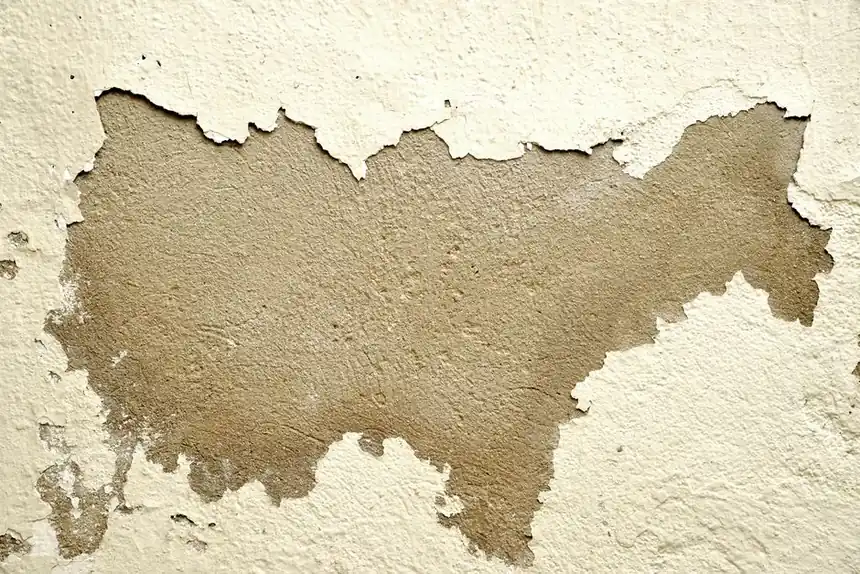
Close-up of a wall with peeling paint revealing the rough texture underneath.
Licensed Licensed & Bonded
Fully Insured Insured & Bonded
24/7 Emergency Same-Day Response
Warranty Backed Workmanship Guaranteed

Included in your water damage repair

Our repair covers moisture inspection, controlled removal of damaged interior materials, structural drying, and drywall restoration once the assembly is ready. We also look for the water entry path and explain related roof or drainage work that needs attention. Roof repairs, extensive painting, and unrelated reconstruction are separate work when the damage extends beyond the interior restoration area.

Moisture inspection and mapping

We examine visible stains, nearby wall and ceiling surfaces, and accessible attic areas. Moisture readings establish how far water traveled and help distinguish a dry surface from a wet cavity. This inspection guides the cut line and gives us a baseline for checking progress during drying.
Controlled damaged-material removal

We remove drywall that has lost strength, remains saturated, or cannot be dried safely in place. Cuts are kept within the verified damage boundary where possible, and nearby flooring and furnishings are protected. Wet insulation is evaluated so it is not sealed behind a new ceiling.

Structural drying and checks

Air movers and a commercial dehumidifier dry exposed framing and the affected room. We monitor readings and adjust equipment rather than guessing from appearance. Drying duration varies with material, temperature, and water volume, but many contained jobs need 2 to 5 days.

Drywall patch and finish

After drying verification, we install replacement board, tape and finish joints, and prepare the surface for paint. We work to match existing texture and plane, with extra finishing time for ceilings or broad wall sections. You receive a restored surface rather than an open cavity.

Source-related observations

We document visible roof, flashing, gutter, or downspout conditions related to the leak and explain the next practical step. Interior repair follows control of the water source; if roof-side work is needed, we address that connection instead of treating the stain as an isolated cosmetic defect.

Ceiling and wall water damage repair in Minnesota


Ceiling and wall water damage repair in Minnesota is a building restoration service that identifies and controls water intrusion, dries affected materials, and repairs damaged interior surfaces. We inspect the ceiling, wall cavities, attic side, and nearby roof leak path rather than covering a stain with paint. A moisture meter and infrared camera help locate wet areas; controlled openings let us check concealed drywall and framing. After the leak source is addressed, we remove unsalvageable material, dry the assembly, and restore the surface with appropriate patching, texture, and finish.

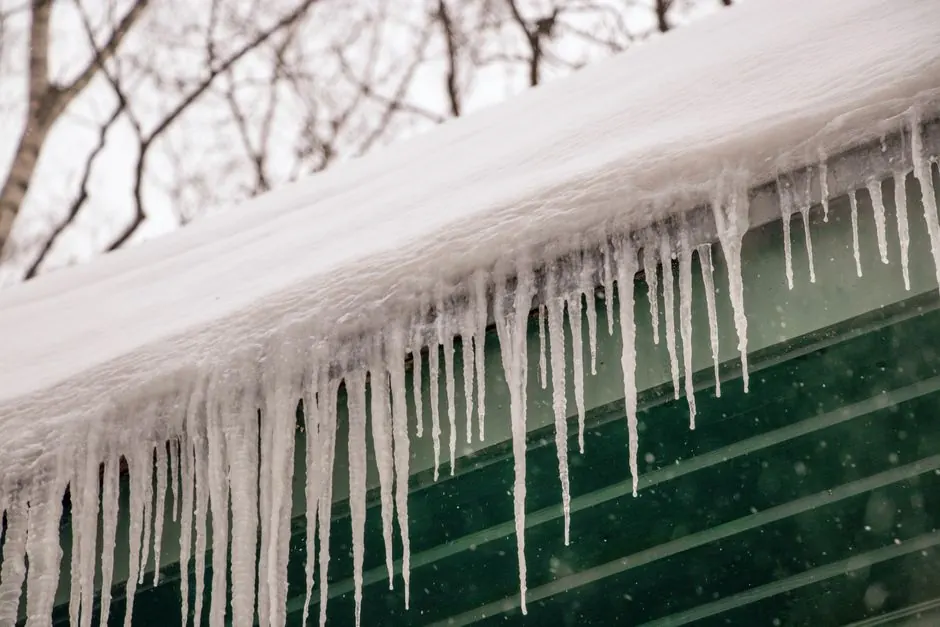
Minnesota's long freeze-thaw season puts roof shingles, flashing, gutters, and downspouts under repeated stress. Ice dams and frozen downspouts can force meltwater beneath roof edges, where attic moisture intrusion leaves ceiling water stains or water-damaged drywall. In older homes and newer tight assemblies alike, wet or compressed attic insulation can hide the extent of a leak. If you need to repair a water-stained ceiling after an ice dam leak Minnesota, we trace the entry point and measure moisture before deciding what must come out.

What to expect during repair

Ceiling and wall water damage restoration in Minnesota follows a practical sequence: stop active water, establish the wet boundary, dry the assembly, then rebuild. We explain each stage in plain language so you know what is happening in your home and what must be dry before the next step.

01

Schedule

Call or book online — a real human picks up and confirms a 2-hour arrival window.

02

Diagnose

Licensed tech inspects on-site, then walks you through the cause and your options.

03

Fix

The job is completed to code and done right the first time — no shortcuts, no surprises.

04

Guarantee

Every job backed by a written workmanship warranty — and we stand behind it.

Tools and drying methods

Tools & Equipment

Moisture meter

We use a moisture meter to compare affected drywall and framing with nearby dry areas. Repeated readings help us track whether drying is working and determine when replacement materials can be installed.

FLIR infrared camera

A FLIR infrared camera shows surface temperature patterns that can point to areas needing closer moisture checks. We confirm those indications with direct inspection or meter readings rather than treating the image as proof by itself.

Dri-Eaz air mover

An air mover directs airflow across exposed framing and room surfaces to support evaporation. We position equipment for the affected assembly and adjust it as the drying area changes.

Phoenix Restoration Equipment dehumidifier

A commercial dehumidifier removes moisture from room air while wet materials release it. We use it with planned airflow and periodic readings to help dry the room and exposed cavity.

Werner extension ladder

A Werner extension ladder supports appropriate inspection access at roof edges and elevated interior areas. Our technicians follow OSHA ladder safety requirements and use suitable fall protection for the work conditions.

Methods & Standards

Moisture mapping before demolition

We check the stained area and surrounding surfaces, then compare readings with unaffected material. The resulting map guides a controlled opening rather than a broad, speculative demolition. Where an attic is accessible, we look for water trails and wet insulation that clarify the leak path.

Source control before reconstruction

We address active water entry before rebuilding the interior. Roof shingles, roof flashing, gutters, and downspouts are considered as part of the leak investigation, with appropriate roof-side work handled before the final drywall closure. This prevents a repaired surface from being exposed to the same ongoing water path.

Drying with verification

We combine directed airflow with dehumidification and check moisture readings through the drying period. Equipment placement depends on the opening, room layout, and materials. Drywall replacement begins after readings and material condition show the assembly is ready, rather than on a preset calendar alone.

Safe work practices

Elevated access and older painted surfaces require attention to worker and occupant safety. We follow OSHA fall protection requirements and ladder safety requirements, and apply EPA lead-safe work practices where applicable. The work area is protected before removal and cleaned as the repair progresses.

When to schedule a repair

01

A fresh brown ceiling ring appears during an October rain or the first winter thaw.

What we do: We check whether the mark is active, inspect accessible attic conditions, and test the ceiling around the ring. If moisture extends beyond the visible spot, we map the wider area before cutting. We also look for roof flashing or drainage issues that could send more water into the same cavity.

→ You learn whether the stain is old or active, what materials are wet, and what must happen before a patch can be made.

02

A roof-edge ice dam leak leaves a wet wall corner and compressed attic insulation.

What we do: We trace the interior water path, assess insulation and framing, and remove damaged drywall where drying in place is not appropriate. After controlling the entry point, we set air movement and dehumidification, then check readings as the cavity dries.

→ The wet area is addressed beyond its surface stain, and the wall is rebuilt after the underlying materials are ready.

03

A ceiling bubbles or sags after a long overnight freeze followed by daytime sun.

What we do: We protect the room, assess the risk from loose drywall, and identify the source before opening the affected section. Saturated material is removed in a controlled way, with attention to nearby insulation and framing. Drying equipment follows only after water intrusion has stopped.

→ Loose material is removed safely, the cavity is dried, and the ceiling is repaired without hiding unresolved moisture.

04

A leak has stopped, but a musty odor remains in a bedroom or hallway.

What we do: We inspect adjacent surfaces and accessible cavities because odor can persist where wet insulation or drywall remains. Moisture readings help locate the affected section. We remove unsalvageable material, dry the structure, and restore the finish once readings support closure.

→ You get a targeted repair based on the remaining moisture, not a coat of paint over an unexplained odor.

How Minnesota conditions shape repairs

Minnesota freeze-thaw cycles create a familiar sequence: snow sits on a roof, heat escapes into the attic, meltwater runs toward a colder eave, and an ice dam backs water under the roof edge. That water can wet attic insulation and travel down framing before it appears as a ceiling stain. In the metro, homes range from older plaster and drywall assemblies to newer, tightly insulated construction; lake communities and open rural areas see different wind and snow exposure. Our ceiling and wall water damage restoration in Minnesota checks the actual assembly rather than assuming every house dries the same way. If you need to dry and restore walls after an ice dam leak in Minnesota, we inspect the cavity, protect finished rooms, and use readings to guide removal and drying. Roof work requires safe access and attention to OSHA fall protection requirements; permit needs depend on the repair scope and local authority. We identify the affected materials, explain the sequence, and restore only after moisture is controlled.

Neighborhoods We Serve

  • Woodbury

    Newer insulated homes can hide moisture behind clean-looking drywall. We check attic access and ceiling-to-wall transitions when a stain follows a roof-edge thaw.

  • Minnetonka

    Homes near wooded and lake areas can experience uneven snow loading and wind-driven melt. We trace water beyond the visible ceiling mark before defining a patch.

  • Duluth

    Snow exposure and long freeze periods make roof-edge leaks a concern. We inspect for wet insulation and verify drying before closing an opened ceiling.

  • Rochester

    A leak may reach finished lower-level walls after traveling through a floor or framing cavity. We test adjacent areas instead of limiting inspection to the first stain.

Local Conditions We Plan For

  • Repeated freeze-thaw cycles load roof edges with meltwater

    Warm daytime temperatures can move water toward a frozen eave, then a nighttime freeze blocks drainage. A leak may appear only during a thaw, so we inspect for water trails and wet materials even after active dripping has stopped.

  • Deep snow and wind exposure vary across the state

    Roof accumulation differs between wooded, lakeside, and open rural properties. Snow movement can concentrate at valleys or roof edges, changing where water enters. We assess the actual roof and attic conditions before selecting the repair boundary.

  • Older finishes and layered wall assemblies complicate drying

    Plaster, multiple drywall layers, and older insulation can hold moisture differently from newer materials. We check material condition and cavity access before deciding whether a surface can dry in place or needs controlled removal.

Dining room ceiling leak

Before

A ceiling stain had expanded to roughly 18 inches after two thaw cycles, and the paint was beginning to blister. The homeowner could not see water dripping, but attic insulation above the area felt damp. The visible mark understated the wet boundary, and painting it would have left moisture in the ceiling cavity.

After

We opened the affected section, removed compromised drywall, and dried the exposed area with directed airflow and dehumidification. Readings were checked over 3 days before replacement board went in. The ceiling was taped, finished, and prepared for paint, with the repair extending only to the verified damage boundary.

Maintenance: Keep gutters and downspouts clear before freeze-up, and check the ceiling after major thaws. If a stain darkens or grows, report it early so moisture can be measured before the finish softens.

Before

Water entered near the roof edge and appeared as a soft patch at the top of an exterior bedroom wall. The paint looked intact from across the room, but the drywall paper had begun to swell and the insulation behind it was wet. The homeowner was concerned about closing the wall too soon.

After

We removed the softened board, checked the cavity and framing, and ran drying equipment until readings improved over 4 days. Replacement drywall was installed and finished after the cavity was ready. The repair left the bedroom wall sound and ready for its final paint coat.

Maintenance: Watch the upper wall after heavy snow and temperature swings. A new odor, swelling seam, or recurring mark near the ceiling line deserves inspection before furniture or trim hides the area.

Before

A slow drip left a brown mark near a hallway light after a winter thaw. The stain measured about 10 inches, but moisture extended toward the adjacent wall. The homeowner had placed a container beneath the drip and needed the ceiling checked before the next weather change.

After

We protected the hallway, traced moisture into the ceiling-to-wall joint, and removed the damaged section after water entry was controlled. Drying took 2 days, followed by a drywall patch and finish work. The room was cleared of equipment after moisture readings supported closure.

Maintenance: After a leak, note when dripping occurs and whether it follows rain, snowmelt, or a thaw. That pattern helps identify the source and lets us distinguish a resolved stain from a continuing leak.

Dry and restore walls after an ice dam leak

A roof-edge leak can travel through insulation and framing before it marks the ceiling, so the visible spot rarely tells the whole story. We locate moisture, remove materials that cannot be saved, and dry the structure before rebuilding. That helps prevent repeated staining and protects the finished room.

Problem

A ceiling stain grows after every thaw and rain

Repeated wetting can soften drywall, stain paint, and reach framing or insulation above the room. A cosmetic patch alone leaves the leak path active.

Our Fix

We inspect the roof-side conditions, attic, and interior moisture boundary to find where water is entering and traveling. After the source is controlled, we dry the affected assembly and repair compromised drywall. That sequence addresses both the visible stain and the conditions that made it return.

Problem

Wall drywall feels soft near an exterior corner

Soft or swollen board can lose its ability to hold fasteners and may hide wet insulation or framing. Closing it too soon traps moisture behind the finish.

Our Fix

We check readings across the wall, open the area when needed, and assess insulation and framing rather than relying on the surface alone. Materials that cannot be dried safely are removed. We then use controlled drying and verify progress before installing replacement board.

Problem

Dripping stops but hidden moisture remains overhead

Water left in a ceiling cavity can continue damaging insulation and wood after the roof leak appears to have ended. New paint can conceal the warning sign without resolving the damp assembly.

Our Fix

We inspect the ceiling cavity and attic side where accessible, then use moisture measurements to define the drying area. Air movers and dehumidification reduce moisture in exposed materials. We confirm the assembly is ready before patching, finishing, and preparing the ceiling for paint.

Problem

Frozen drainage keeps feeding an old roof leak

Gutter ice blockage and frozen downspouts can hold water at the eaves, increasing the chance of another ceiling stain during a thaw. Interior repairs are vulnerable if drainage remains obstructed.

Our Fix

We connect the interior damage to visible roof-edge and drainage conditions, then clear or coordinate appropriate corrective work. Once water entry is controlled, we dry and restore the affected wall or ceiling. You get a repair plan that accounts for both the room and the path water took.

A dry, sound, finished room

A dry, sound, finished room

Wet drywall is not a paint problem until the moisture problem is solved. We address the leak path, dry materials that can be saved, and replace damaged sections that cannot recover. That sequence helps protect your framing and finish while giving you a clear path from first inspection to a usable room.

  • Find moisture behind finishes

    A ceiling stain can mark only part of a larger wet area. We scan surrounding surfaces and check readings at multiple points, including wall corners and the ceiling-to-wall joint. That makes the repair boundary more accurate and reduces the chance of closing wet drywall behind a fresh patch.

  • Dry before rebuilding

    We use air movers and a commercial dehumidifier to move moisture out of exposed materials after the leak is controlled. Drying commonly takes 2 to 5 days, depending on the assembly and readings. You get a measured drying process rather than a quick cover-up that traps moisture.

  • Protect nearby finishes

    We cover floors and furnishings before opening a ceiling or wall, then make controlled cuts around damaged material. In a finished room, careful containment limits dust and keeps unaffected paint, trim, and flooring out of the repair area. The result is a smaller, cleaner restoration footprint.

  • Restore the room to use

    Once the assembly is dry, we replace drywall, tape and finish joints, match texture where practical, and prepare surfaces for paint. A small, isolated patch can be ready for finishing in a few workdays; a larger room requires more drying and finish time.

Training and safe work

Licensed & Certified

  • IICRC Water Damage Restoration Technician — issued by Institute of Inspection, Cleaning and Restoration Certification
  • IICRC Applied Structural Drying — issued by Institute of Inspection, Cleaning and Restoration Certification
  • IICRC Applied Microbial Remediation Technician — issued by Institute of Inspection, Cleaning and Restoration Certification
  • OSHA fall protection and ladder safety — issued by Occupational Safety and Health Administration

Verified Reviews

Google ★★★★★4.9

A Woodbury homeowner described a ceiling leak that spread beyond the visible stain. The crew checked the attic, removed wet drywall, and verified drying before finishing the patch. The review noted clear explanations about why the cavity needed to dry before paint.

Google ★★★★★4.8

A homeowner in Minnetonka reported a soft upper wall after a roof-edge leak. The team protected the room, checked behind the drywall, and returned to complete the repair after drying. The customer appreciated having the moisture issue addressed before the wall was closed.

BBB ★★★★★5.0

A Fergus Falls customer described a recurring ceiling mark after a thaw. The inspection found moisture beyond the stain, and the repair included controlled removal, drying equipment, and a finished drywall patch. The customer said the process was explained from inspection through cleanup.

Restoration knowledge that matters

Ceiling and wall repairs after an ice dam leak require more than drywall skills: the water path, insulation, framing, and drying conditions all affect the result. Our local experience includes Minnesota freeze-thaw patterns, roof-edge leaks, and interior water damage across different home types. We apply IICRC Water Damage Restoration Technician principles to inspection and drying, and use safe work practices for ladders and elevated access. The goal is a documented, dry assembly before we close the cavity, not simply a clean-looking patch.

  • IICRC Water Damage Restoration Technician training informs moisture inspection, material decisions, and the order of restoration work.
  • Our technicians use moisture readings to track drying progress instead of relying on touch or a surface that merely looks dry.
  • Roof-side observations consider roof flashing, shingles, and attic conditions that can continue feeding an interior stain.
  • We follow OSHA fall protection requirements and OSHA ladder safety requirements when work involves elevated access.
  • Where older painted surfaces are disturbed, we apply EPA lead-safe work practices where applicable.
Get Started Today
Restoration knowledge that matters

Cities we serve across Minnesota

Our Minnesota ceiling and wall water damage repair service reaches metro communities, regional centers, and smaller towns across the state. Local weather exposure, home age, attic construction, and travel distance all shape how we plan an inspection and drying setup. We bring the same measured approach to a small bedroom stain and a multi-room leak: find the source, verify the wet boundary, dry what can be saved, and rebuild damaged finishes. Call with your city and a brief description of the leak so we can discuss the next step.

Woodbury

We inspect ceiling stains and upper-wall leaks in Woodbury homes, including attic insulation and roof-edge conditions, then dry affected materials before patching.

Minnetonka

For Minnetonka homeowners, we trace water beyond the visible mark, check accessible cavities, and restore drywall after the source is controlled.

Andover

We assess Andover ceiling leaks for wet insulation and framing, using moisture readings to set a repair boundary before drywall replacement.

Shoreview

Shoreview repairs begin with checking whether a stain follows an eave leak or another water path, followed by drying and a fitted finish repair.

Crystal

In Crystal, we protect finished rooms, open only verified damaged sections, and check surrounding surfaces so hidden wet drywall is not left behind.

Forest Lake

Forest Lake homes can see changing snow and wind exposure; we inspect roof-side clues and interior moisture before setting the restoration plan.

Buffalo

We handle Buffalo ceiling and wall repairs by mapping moisture, assessing insulation, and confirming that affected framing is dry before rebuilding.

Fergus Falls

For Fergus Falls leak damage, we check the ceiling cavity and nearby wall joints, then coordinate drying and drywall restoration after water entry stops.

North St. Paul

North St. Paul homeowners receive a targeted inspection for recurring stains, soft drywall, and moisture that may extend beyond the visible patch.

Cambridge

We inspect Cambridge homes for water trails from roof edges and attic spaces, then remove, dry, and repair materials based on measured conditions.

Dayton

In Dayton, we check ceiling stains and upper walls for hidden moisture, protect nearby finishes, and verify drying before closing the repair.

Orono

Orono repairs account for varied home layouts and roof exposure; we trace the leak path and restore damaged interior surfaces after drying.

St. Joseph

We help St. Joseph homeowners address ice dam-related stains by inspecting accessible attic areas, checking wet materials, and rebuilding only after drying.

Glencoe

Glencoe service includes moisture mapping around the stain, controlled removal when needed, and ceiling or wall finishing after the cavity is ready.

Redwood Falls

For Redwood Falls homes, we investigate the water path, assess drywall and insulation, and complete a measured drying and restoration sequence.

Ceiling and wall repair questions

Real answers to the questions we hear most often from local homeowners and property managers.

How do you repair a ceiling damaged by an ice dam leak?
We stop the water source, map moisture, dry the assembly, then replace and finish damaged ceiling material. The inspection checks the roof-side path, attic insulation, and framing where accessible; saturated drywall is removed if it cannot be dried safely. Drying often takes 2 to 5 days, followed by patching and finishing. For ice dam ceiling damage repair and moisture cleanup Minnesota homeowners need, the key is confirming the cavity is dry before closing it.
When should wet drywall be replaced in Minnesota?
Replace drywall when it is sagging, soft, delaminated, contaminated, or still wet after a controlled drying attempt. A small clean-water wet area can sometimes dry in place if both sides are accessible and readings improve, but closed cavities are harder to verify. We inspect the damage and use moisture measurements rather than a fixed stain-size rule. If water has been present for more than 24 to 48 hours, prompt assessment helps identify materials that should not remain enclosed.
How much does ceiling and wall water damage repair cost?
In 2026, a contained repair commonly ranges from $500 to $2,500, while larger drying and reconstruction projects can cost $2,500 to $8,000 or more. Price depends on wet-area size, ceiling height, insulation removal, equipment days, texture matching, and whether the leak source needs separate work. We give upfront pricing after assessing the affected materials and repair steps. A small stain with a dry cavity is less involved than water spread across several rooms.
Can water-damaged walls be dried without removing drywall?
Yes, if the water is clean, the drywall remains sound, and moisture readings show the cavity can dry in place. We check both the wall surface and accessible cavity conditions; wet insulation, swelling, soft paper, or a persistent high reading can make removal the safer option. Drying equipment is positioned to move air and reduce humidity, then readings are checked over time. The decision is based on material condition, not a promise that every wall can be saved.

Services that address the cause

Ice Dam Removal

Ice dams can push meltwater under roof edges and into ceilings or upper walls. Removing the dam addresses a common source of recurring interior damage, while our repair work handles wet drywall and affected finishes after water entry has stopped.

View Ice Dam Removal

Emergency Ice Dam Removal

Active dripping during a thaw needs attention before water reaches more insulation and framing. Emergency response focuses on reducing the immediate roof-edge blockage, then we assess the interior damage and set a drying plan for the affected ceiling or wall.

View Emergency Ice Dam Removal

Steam Ice Dam Removal

Low-pressure steam can release ice from roof edges without the impact of chopping at shingles. Once the ice dam is addressed, we inspect for remaining moisture indoors and repair ceiling stains or damaged drywall after the assembly is dry.

View Steam Ice Dam Removal

Roof Snow Removal

Heavy roof snow adds to roof ice buildup and can contribute to meltwater backing up behind an eave dam. Clearing snow from appropriate roof areas reduces that load; interior inspection and repair follow if the ceiling or wall has already taken on water.

View Roof Snow Removal

Gutter Ice Removal

Gutter ice blockage and frozen downspouts interfere with drainage at the roof edge. Clearing the obstruction helps water move away as temperatures rise, while our restoration work addresses the ceiling or wall damage that may have developed indoors.

View Gutter Ice Removal

Gutter and Downspout Clearing

A clear drainage path helps prevent water from pooling at the eaves during rain and thaw cycles. We clear gutters and downspouts as appropriate, then check whether an existing stain needs moisture testing, drying, or a drywall repair.

View Gutter and Downspout Clearing

Stop the leak damage from spreading

If your ceiling is dripping, drywall feels soft, or a stain has returned after a thaw, call Minnesota Ice Dam Pros at +16125550100. Our technicians use moisture readings to guide removal, drying, and repair, with upfront pricing after assessing the affected area.

Call now Call for Repair

Contact Minnesota Ice Dam Pros

Call +1 612-555-0100 for ice dam removal or frozen pipe help across Minnesota. We take urgent calls around the clock and respond with practical questions about the leak, roof access, or water service so we can direct the right crew. Share your community and what you see; we will explain the next step and pricing before work starts.

Or call us right now at +16125550100 — we answer.

Minnesota Ice Dam Pros


  • Phone

    +16125550100
  • Address

    Minnesota

  • Hours

    Mon–Fri: 7AM – 7PM
    Sat: 8AM – 4PM
    Sun: Emergency Only
    24/7 Emergency Available

Call +16125550100 Get Quote
Call Quote