
Residential Ice Dam Removal in North Mankato
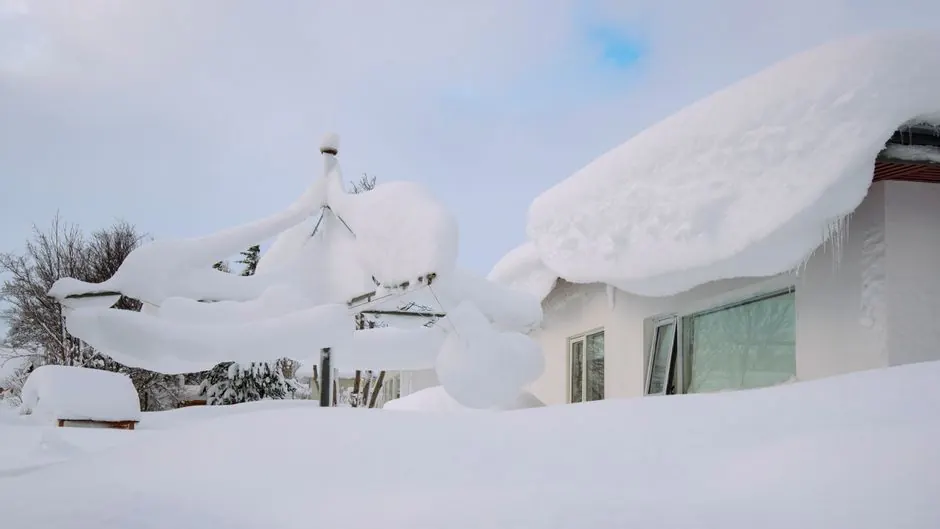
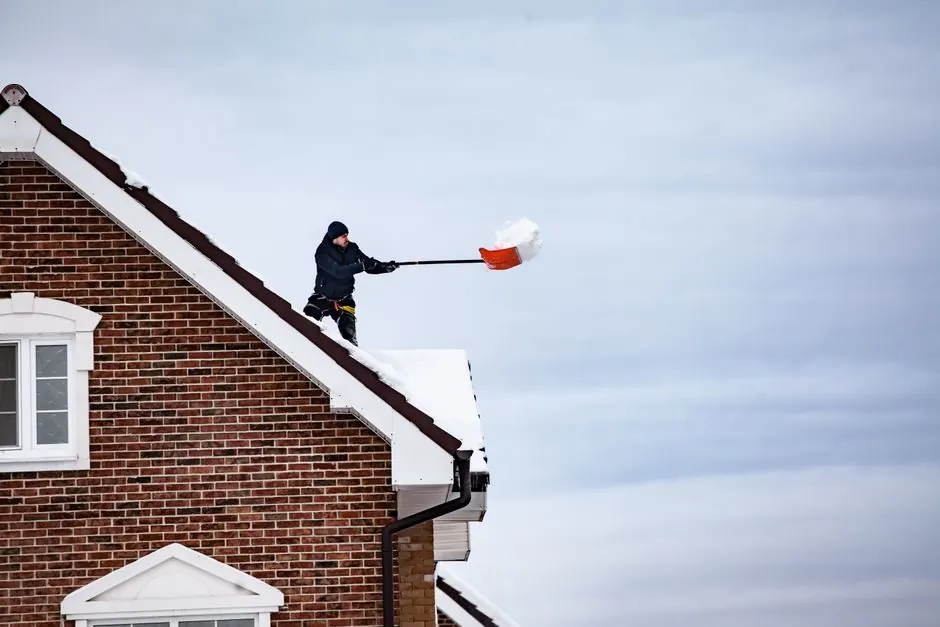
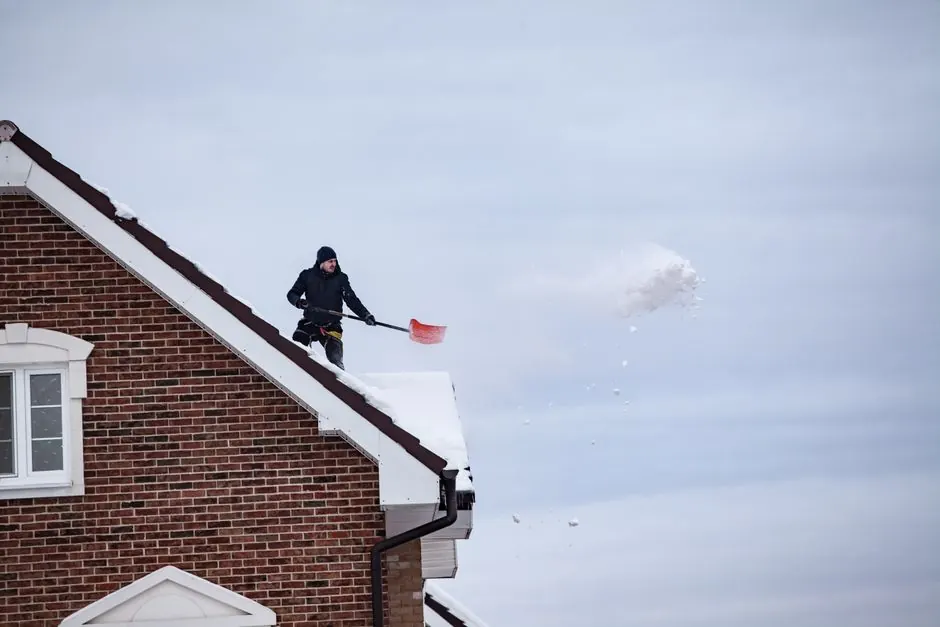
Residential roofs in North Mankato range from older homes with additions to newer houses with attached garages and multiple roof planes. Each layout changes where snow drifts, how quickly eaves refreeze, and where a leak may appear indoors. If you find a ceiling stain, a frozen gutter, or wet insulation after a thaw, we first address the roof condition and then check whether water has moved into the attic or living space. Our residential ice dam removal work is planned around your driveway, walkways, roof height, and household access. We keep people clear of the drop zone, route equipment carefully, and explain what we find before moving from roof work to interior moisture checks. You get a practical sequence: remove the ice blocking drainage, check for active water entry, and identify any materials that need drying or repair.
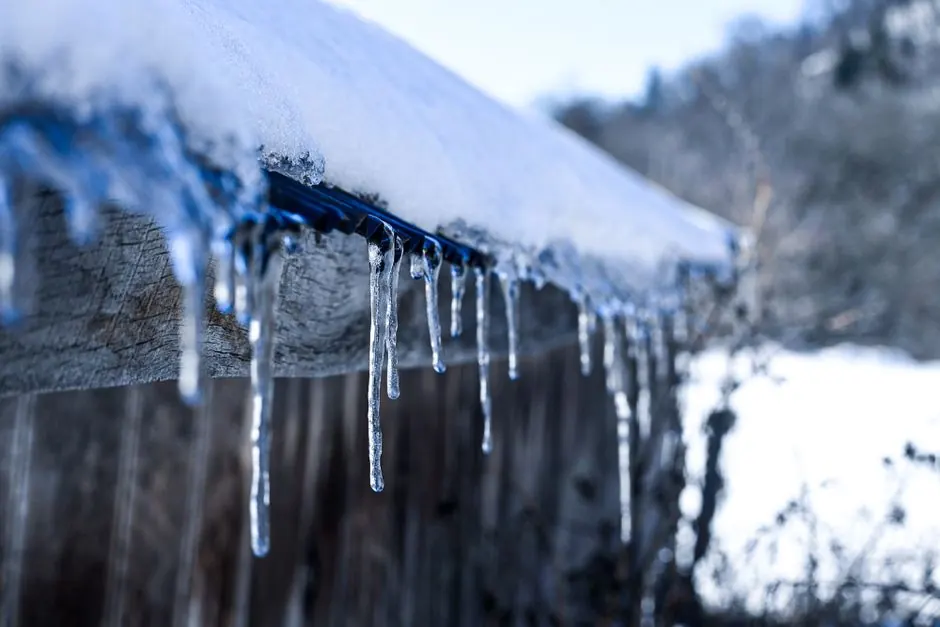
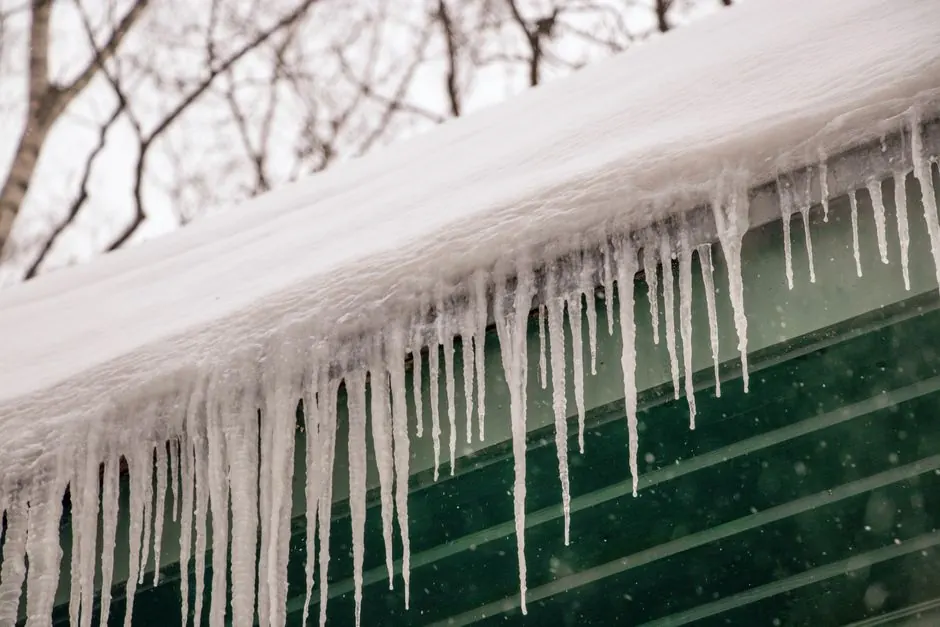
- Steam clearing at roof eaves — We use controlled steam to open blocked eaves on North Mankato homes without chopping at shingles. The crew checks the length of the ridge, roof pitch, and gutter outlet first. If snow above the ice is continuing to melt, we explain whether reducing that snow is also needed to restore drainage.
- Attic moisture inspection — If a leak has reached a bedroom ceiling or outside wall, we inspect the attic above the affected room. In North Mankato, water can travel along framing and wet insulation before a stain appears. We use moisture readings to identify material that needs drying rather than judging by surface appearance alone.
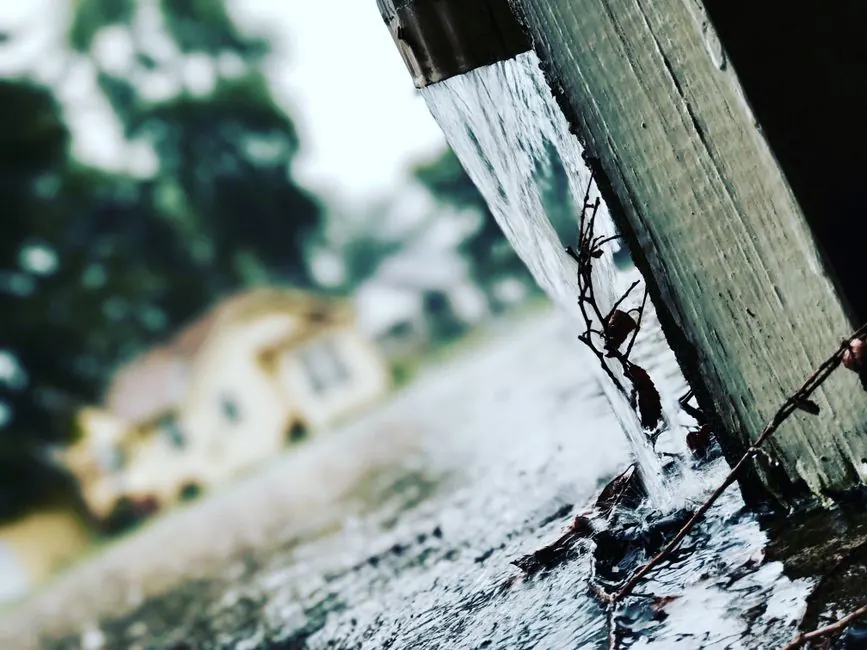
- Gutter and downspout clearing — Frozen drainage can send water back toward the roof even after the ice dam is reduced. We check the gutter run and downspout opening at your North Mankato home, clear accessible blockage, and point out any loose or damaged section that needs repair when conditions allow.
- Ceiling leak response — When water marks or drips appear indoors, we address the roof source and assess the affected ceiling or wall. Our North Mankato response checks for damp drywall and hidden moisture, helping you decide whether drying is needed before surface repairs begin.