

Residential Ice Dam Removal in Mound
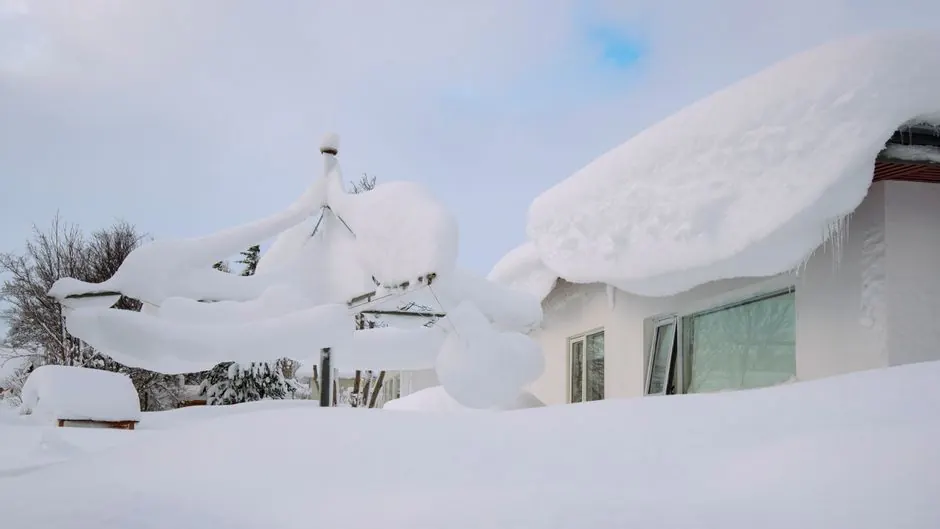
Mound homes range from compact lake cottages and older year-round houses to remodeled properties with additions, garages, and multiple roof planes. Each layout changes where snow gathers and how water reaches the gutter. When a leak appears over a bedroom or kitchen, you want the roof blockage addressed before damp drywall or attic insulation is left to sit. We use steam for controlled removal, check accessible gutters and downspouts, and discuss interior moisture if water has entered. Emergency ice dam removal is available for active leaks, while planned roof snow work can reduce excess load before a thaw. We take account of your driveway, walkway, roof pitch, and the safest place to stage equipment before work begins.
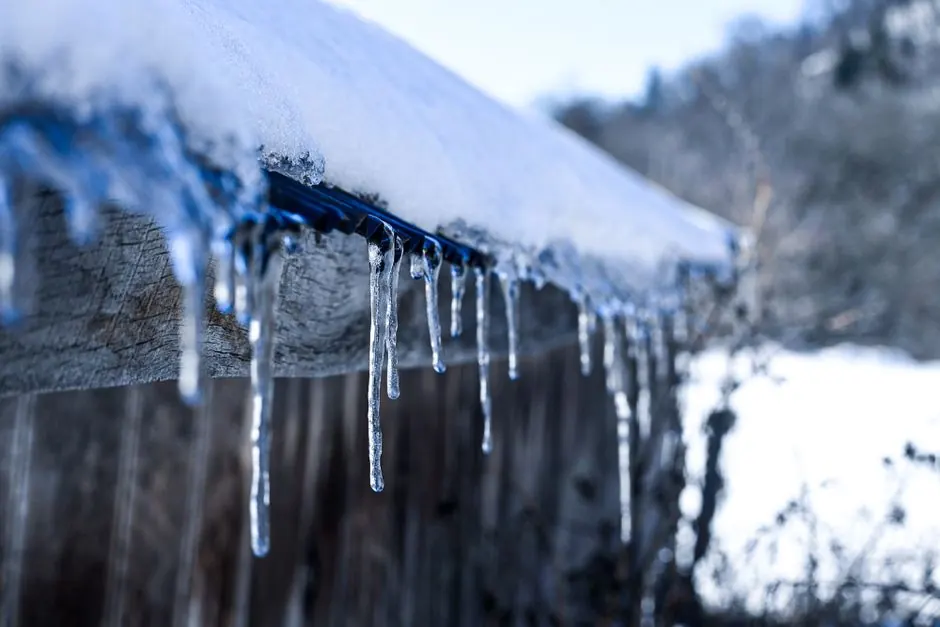
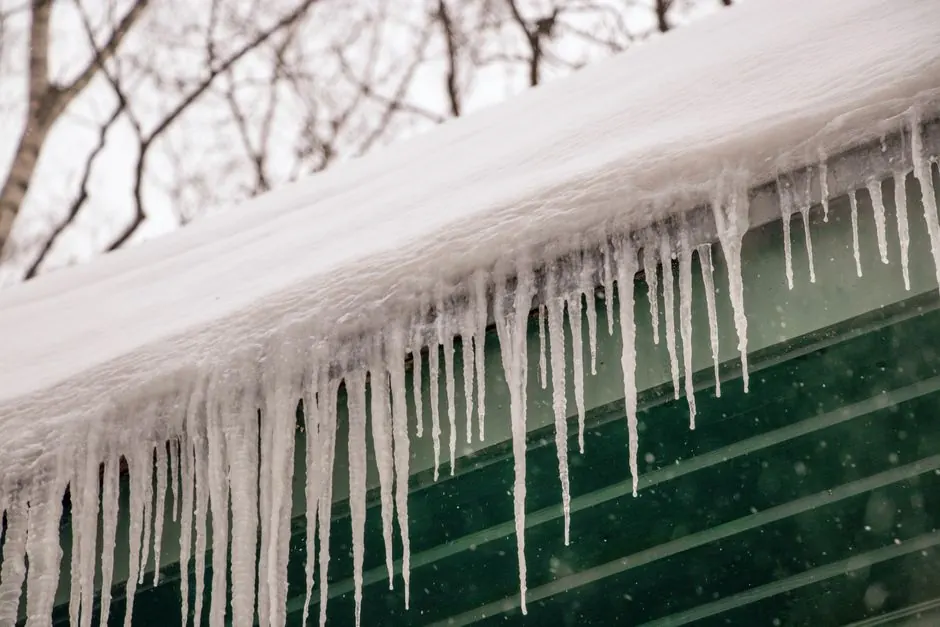
- Steam clearing at roof edges — We clear blocked eaves on Mound houses with controlled steam, working section by section instead of striking the shingles. Before starting, we identify the affected roof plane and protect the ground-level route below. This method suits many roof configurations, including older homes where careful handling of flashing and gutters matters.
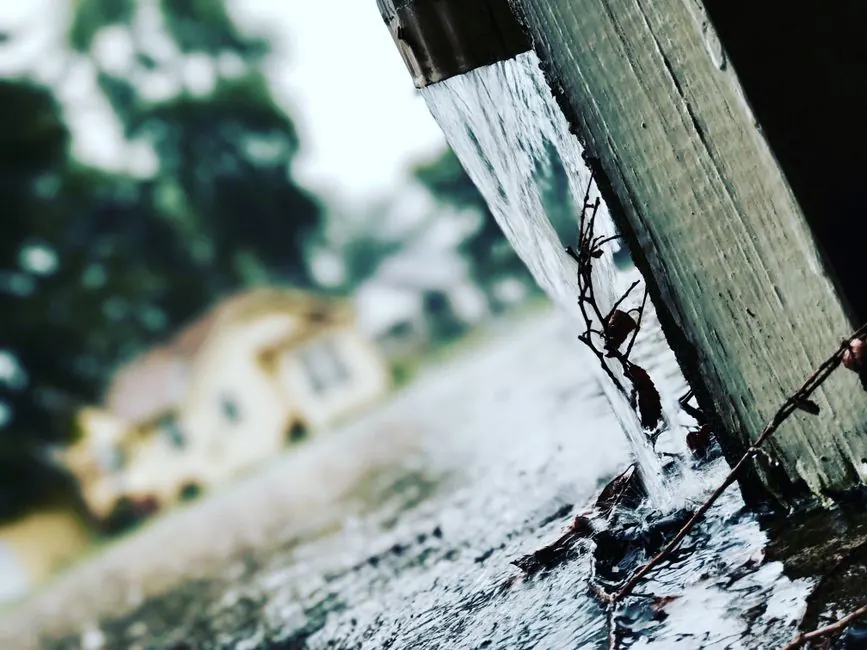
- Emergency leak response — If water is dripping into your Mound home, we focus first on the roof area above the leak and open the blocked drainage path. Move furniture and electronics away from the drip while we work. Once the roof edge is clear, we can check accessible interior materials and explain whether drying is needed.
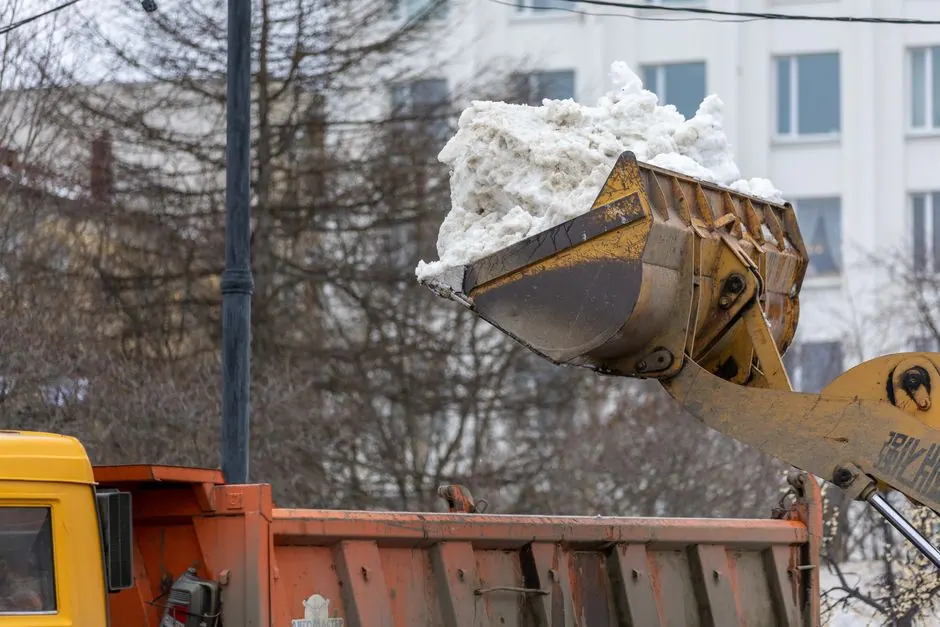
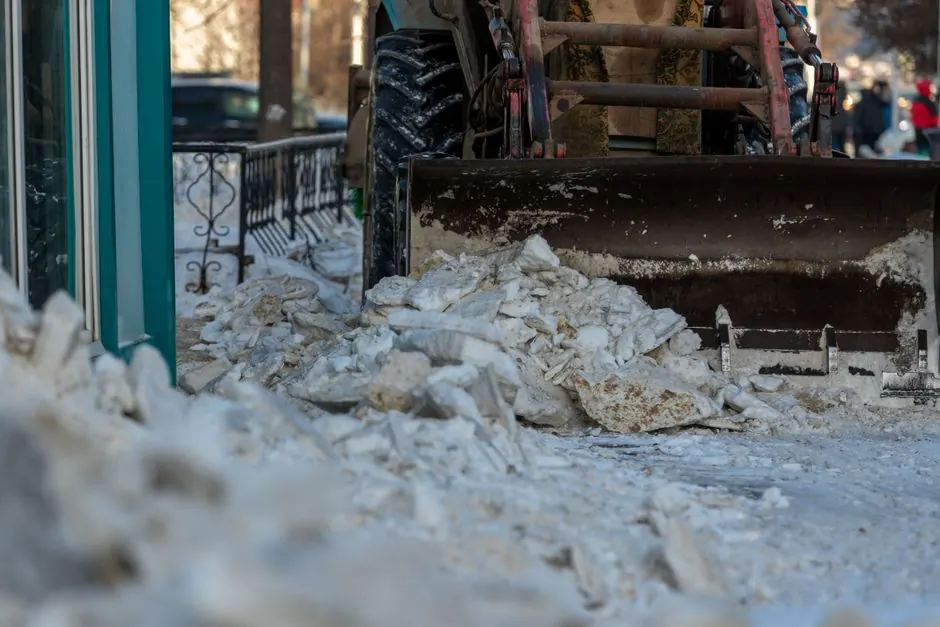
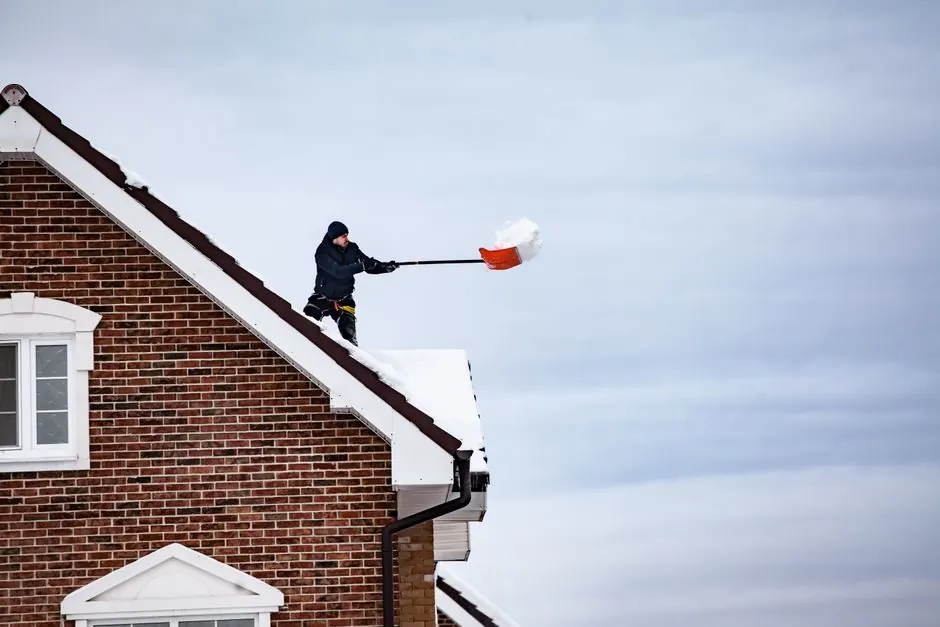
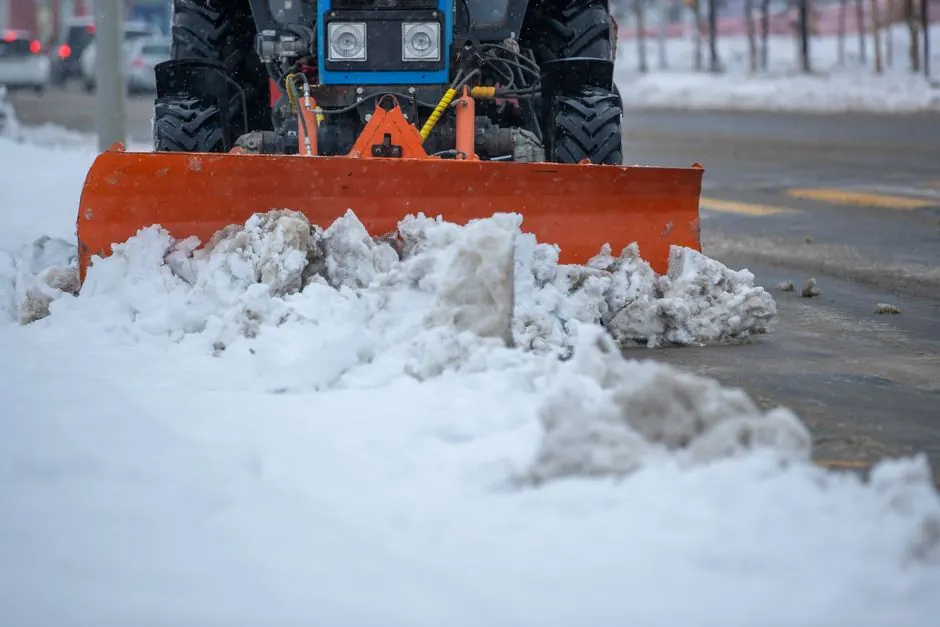
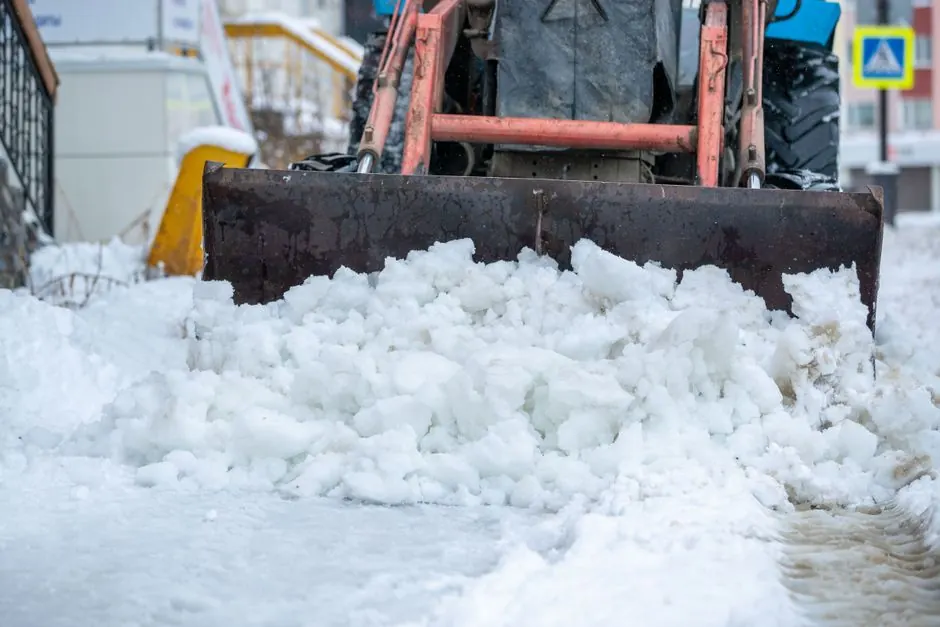
- Roof snow and ice management — Excess snow above a dam can continue supplying meltwater. We assess the roof and remove snow from the affected section when it is part of the safe work plan. Mound properties with a garage, porch, or addition may need separate attention to each roof plane rather than a single pass along the main eave.
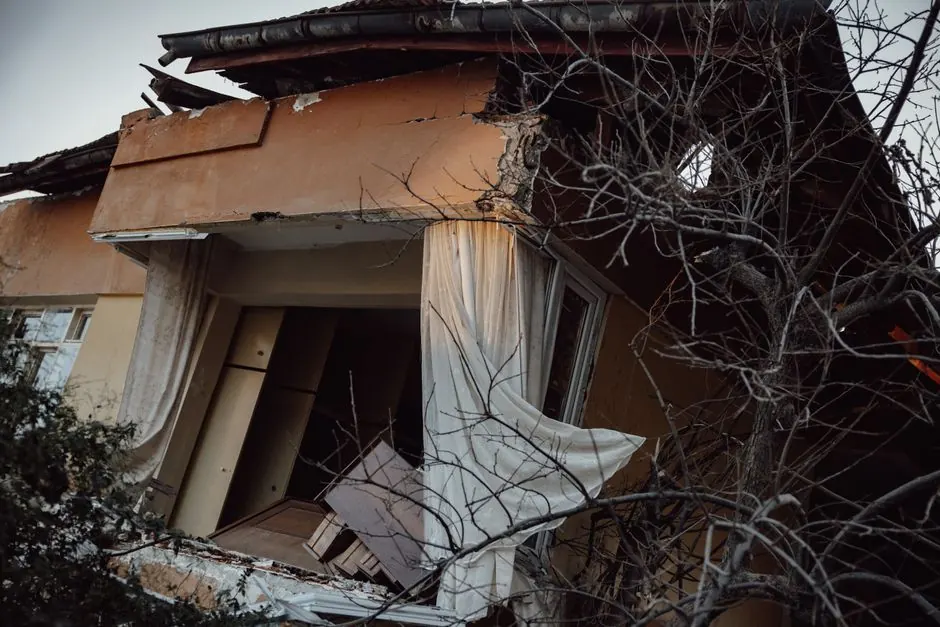
- Attic moisture inspection — After a winter leak, we check accessible attic areas for wet or compressed insulation and visible staining. In your Mound home, readings with a moisture meter can help distinguish a damp surface from material that needs drying. We explain what we find and connect the roof-side issue to practical interior next steps.