Residential Ice Dam Removal for Ramsey Homes
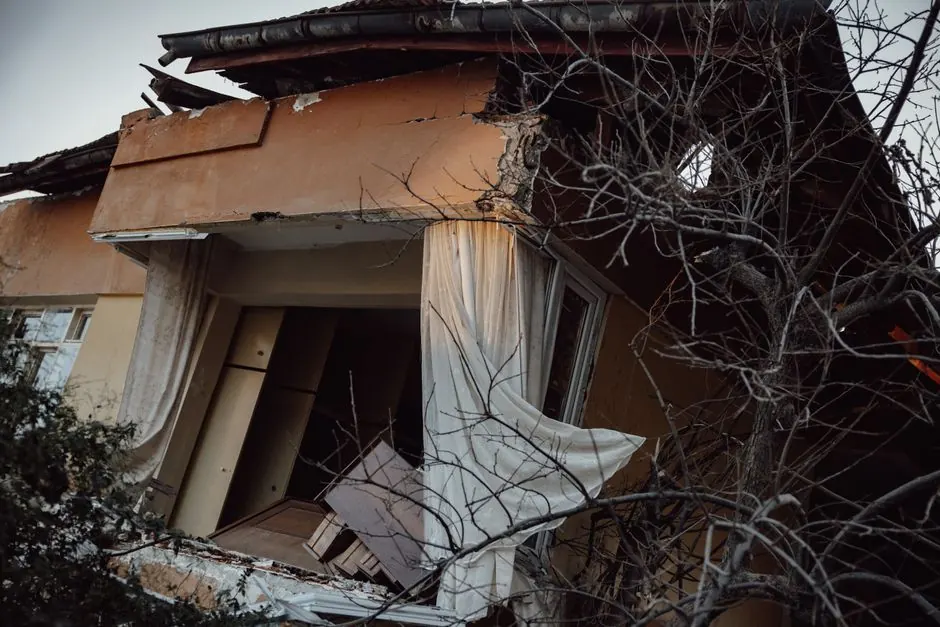
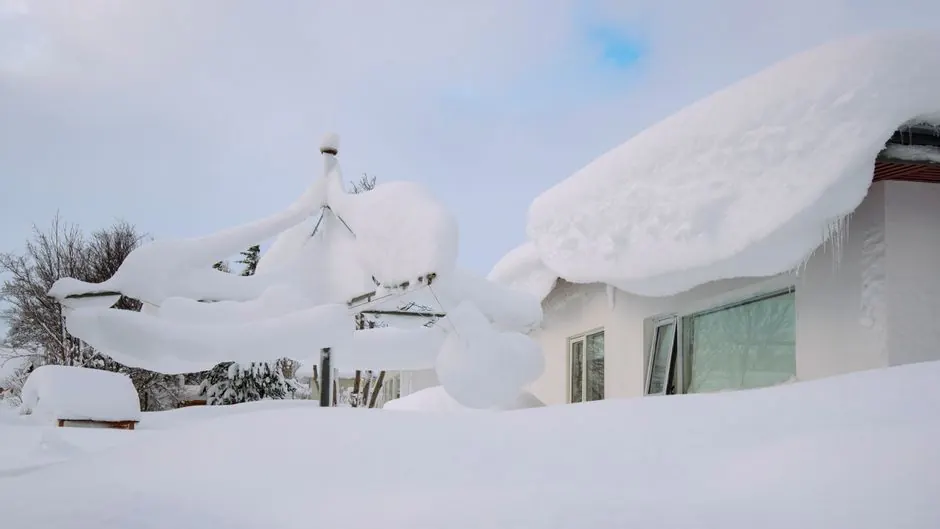
Ramsey residential calls range from a small bungalow with a frozen gutter to a detached home with broad roof areas and several planes. A family usually notices the problem indoors first: a stain over a bedroom, a drip near an exterior wall, or damp insulation in the attic. We locate the roof edge or valley tied to the water path, then choose steam removal, selected snow clearing, or drainage work. Our team also checks whether water has reached drywall or framing. For a local ice dam removal company for homes in Ramsey, the job should include a clear explanation of what stopped the leak and what still needs drying or repair.
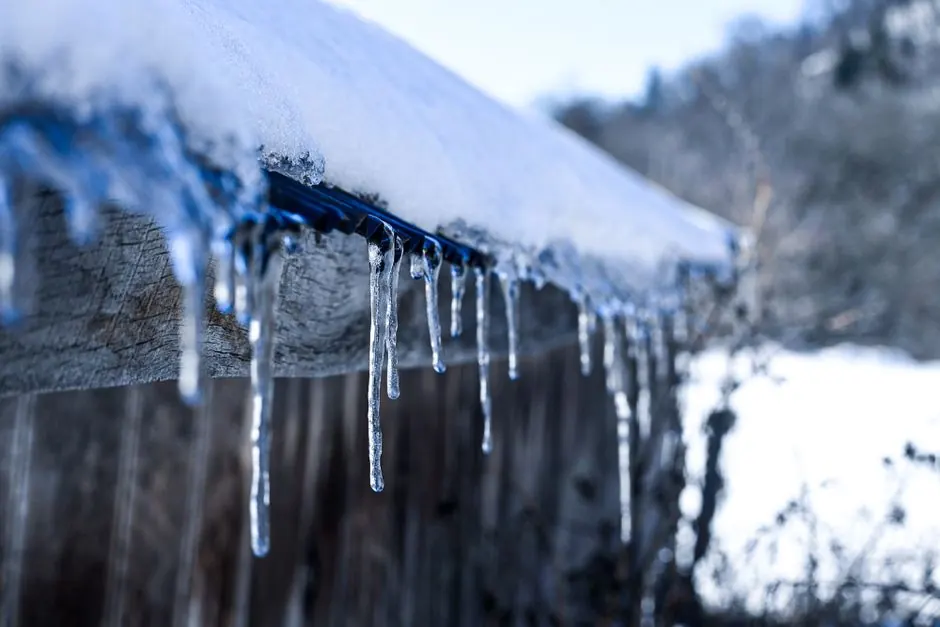
- Steam clearing at roof eaves — We use controlled steam to open a path through bonded ice at Ramsey roof eaves, working in sections rather than striking the ridge. Before starting, we check the roof covering, gutter condition, and safe access. After the channel is open, we look for drainage and note any ice remaining at a separate valley or downspout.
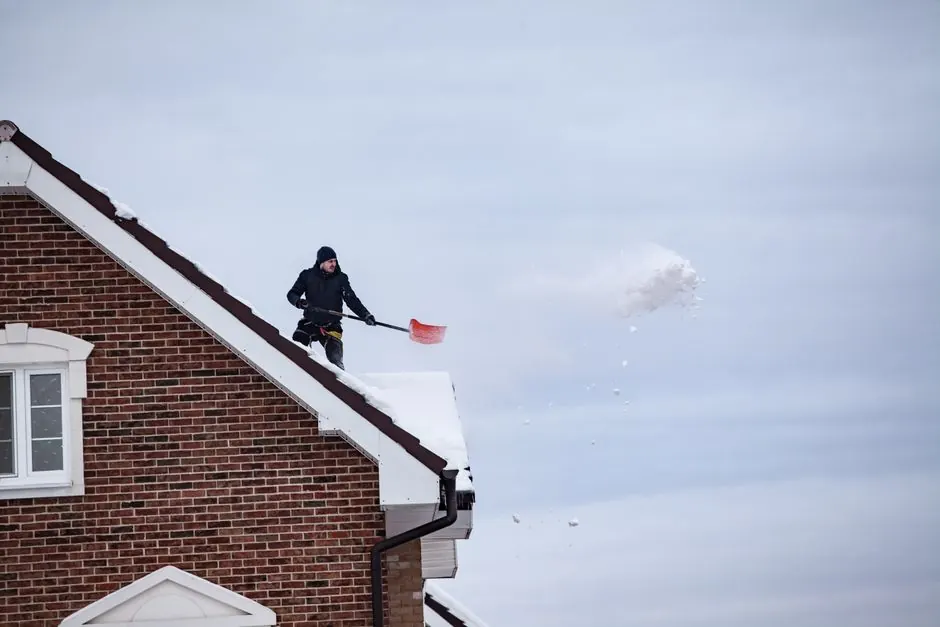
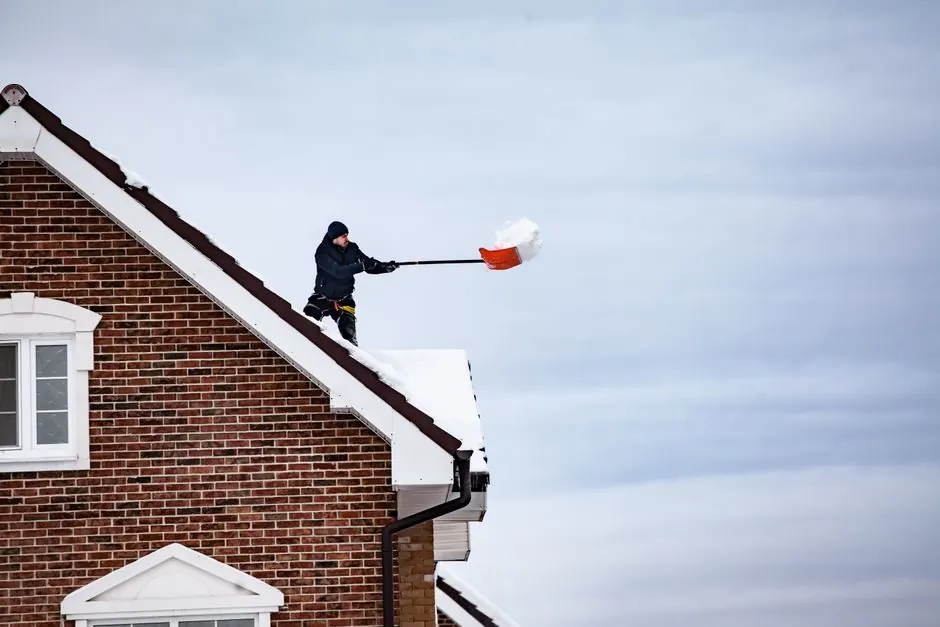
- Selective roof snow reduction — If uneven snow is contributing to roof-edge blockage, we reduce selected accumulation with a roof rake or telescoping snow rake where ground access allows. In Ramsey, roof shape and drift placement determine which section needs attention. We avoid scraping the roof and keep people away from the drop zone during removal.
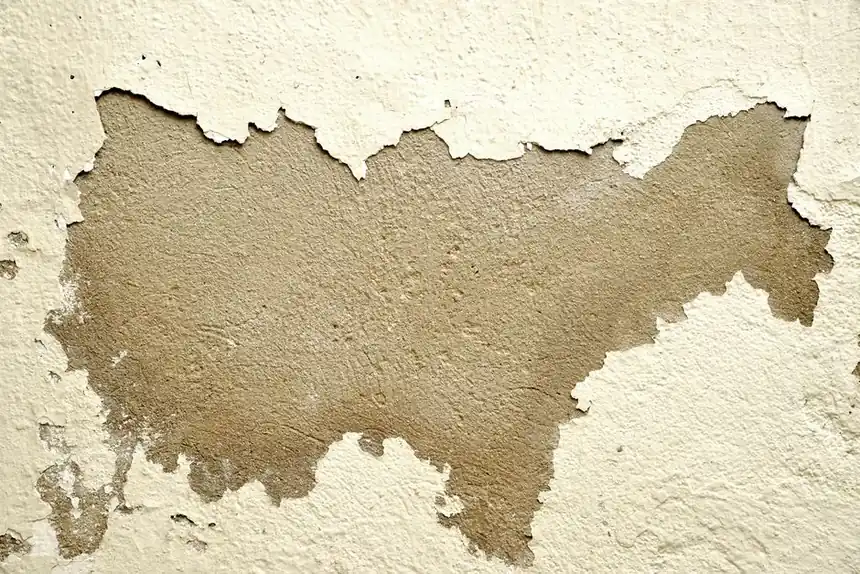
- Attic moisture inspection — A stain on your ceiling can point to moisture that has traveled from a roof edge into the attic. We inspect accessible sheathing and insulation, then use a moisture meter to identify areas needing drying. Ramsey homeowners get a practical account of whether the issue is active, old, or still affecting building materials.
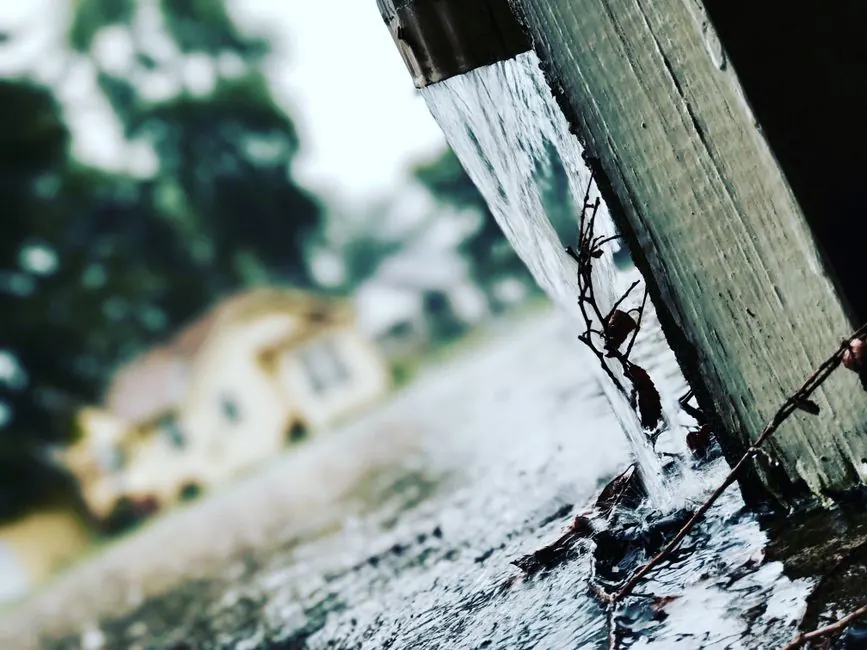
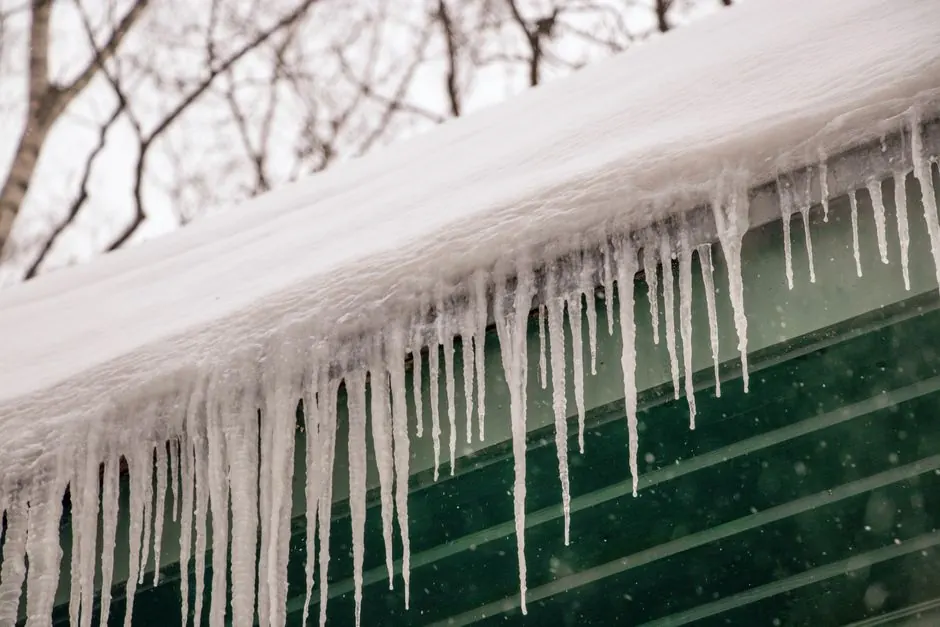
- Gutter and downspout release — Frozen gutters and downspouts can hold meltwater at the eaves after an ice ridge is addressed. We check accessible drainage points and clear restrictions carefully to avoid damaging frozen components. For Ramsey homes, restoring the outlet path helps prevent water from remaining trapped at the roof edge during the next thaw.