
Residential ice dam service in Paynesville
Paynesville homes range from older houses with established rooflines to newer construction, garages, additions, and properties near Lake Koronis. Each roof handles snow differently. A shallow eave, intersecting roof, or shaded gutter can hold ice while water backs up under shingles. We help homeowners with roof-ice removal, frozen drainage, leak checks, and interior moisture response. If water has reached your ceiling, we look beyond the visible stain and check accessible attic insulation and surrounding materials. We also account for family routines: keeping an entry clear, protecting belongings below a leak, and explaining which rooms need to remain accessible during drying. Our work starts with the immediate problem and ends with a clear next step for your home.
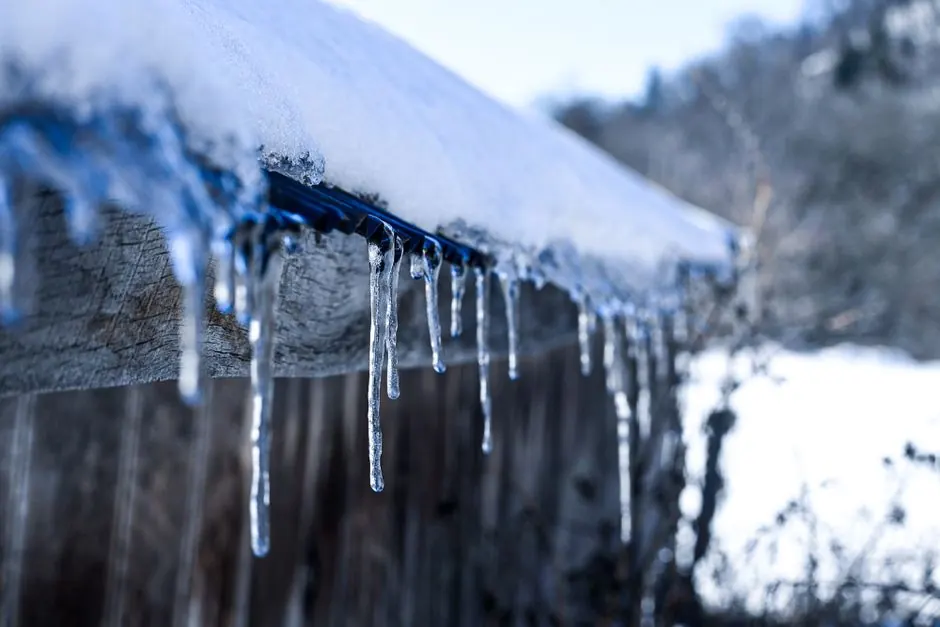
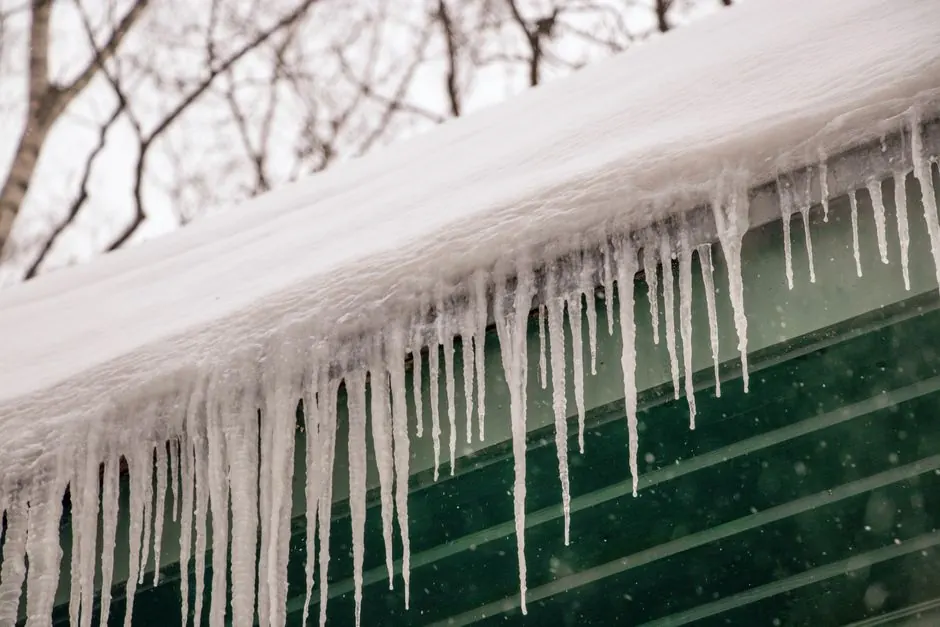
- Steam roof-edge ice clearing — We use controlled steam to open drainage through bonded ice on Paynesville homes, avoiding the impact of chopping at shingles. Before removal, we check roof access and where meltwater will run. This is useful when a visible ridge traps water near the eave or threatens a ceiling below.
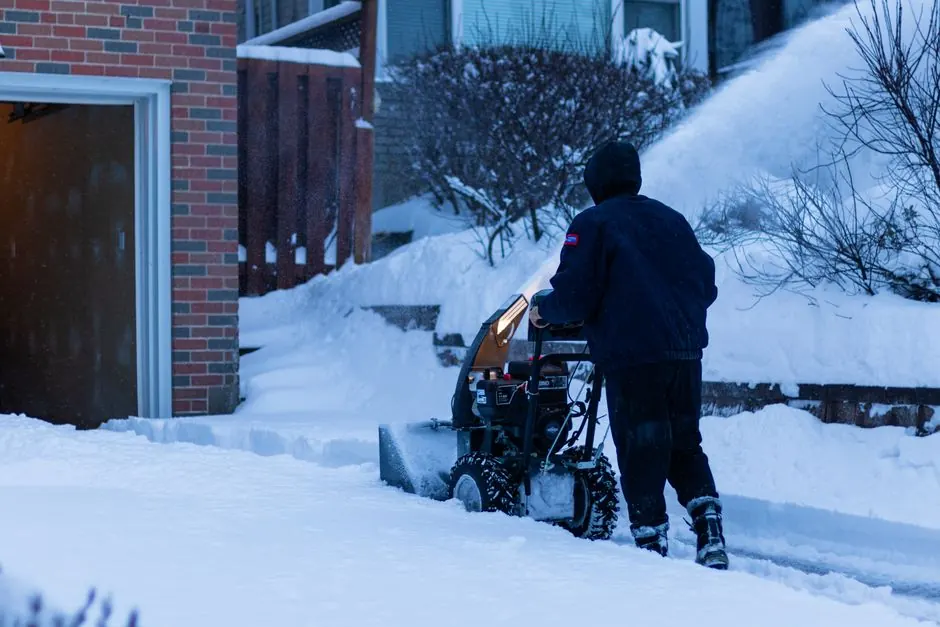
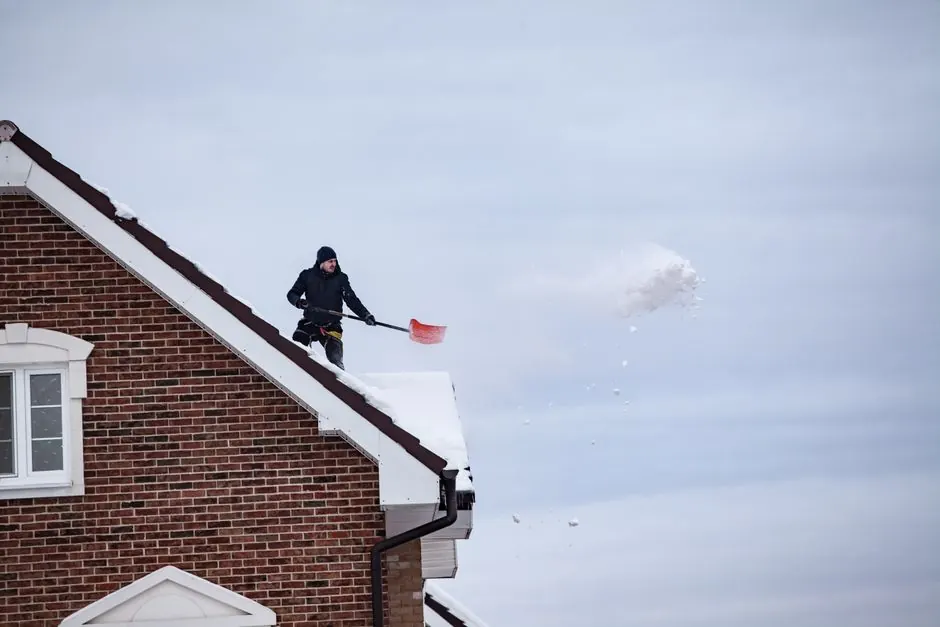
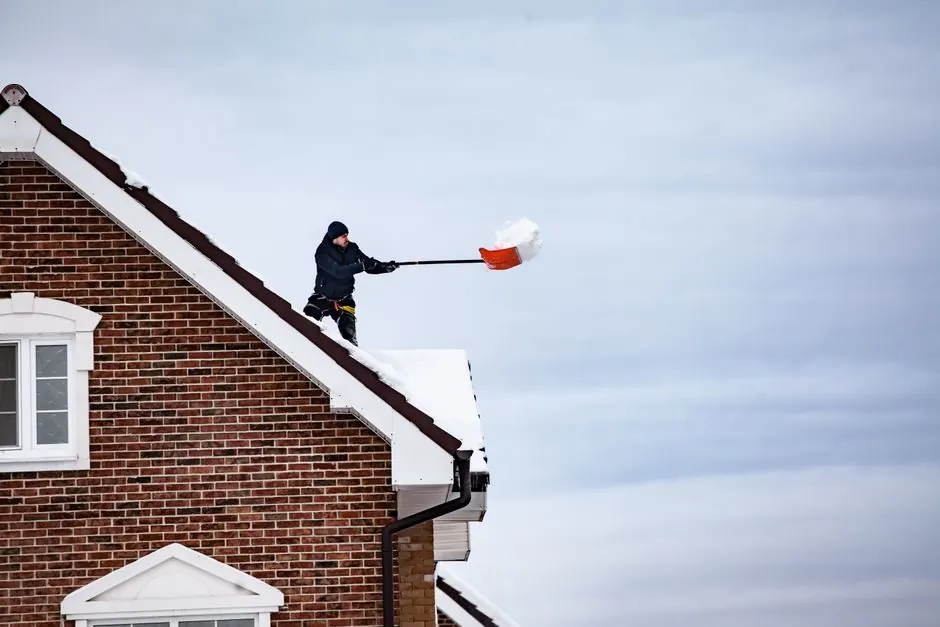
- Home roof snow removal — When snow accumulation is feeding an ice dam, we assess whether selected roof snow removal is appropriate for your Paynesville property. We work around roof edges, valleys, and vents, taking care not to scrape roofing material. The plan focuses on reducing the source of runoff without creating new damage.
- Attic leak and moisture check — After a roof leak, we inspect accessible attic areas for damp insulation, staining, and moisture around the likely entry path. In Paynesville homes, an indoor stain may appear away from the roof opening. We explain what we can see and whether drying or material repair is the next step.
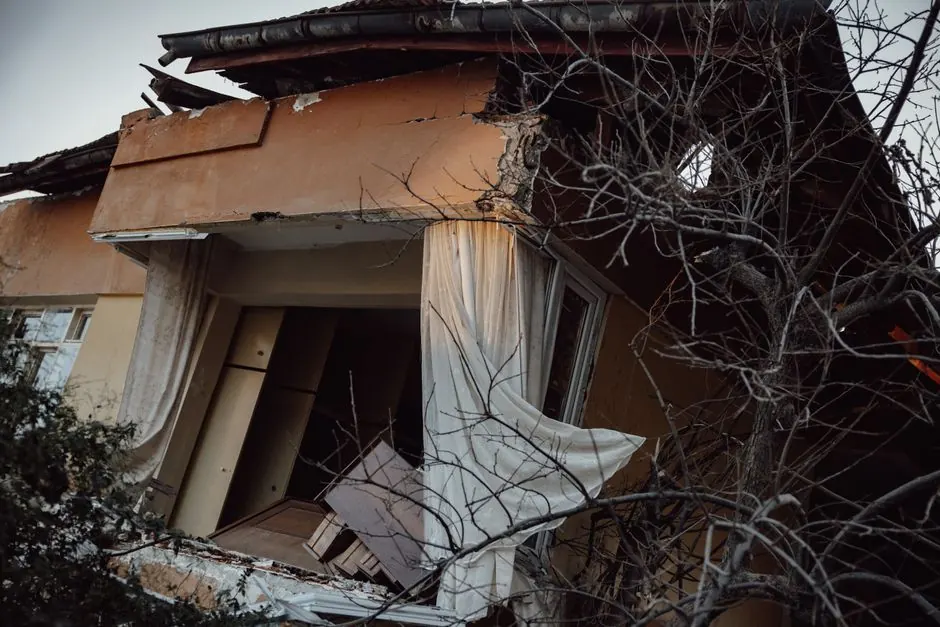
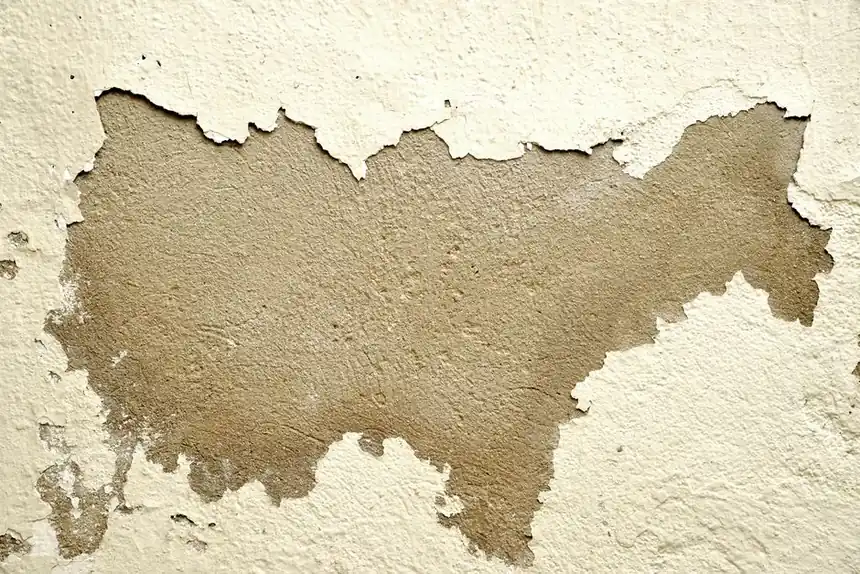
- Ceiling water damage response — If meltwater has marked a ceiling or wall, we help determine whether the material is still wet and what needs drying before repair. For Paynesville homeowners, stopping the roof source comes first. We then address affected drywall and surrounding areas based on observed moisture, not just the stain's appearance.