
Logo
Get Estimate

Ice dam removal in Lexington for Minnesota Homes

Ice dam removal in Lexington starts with stopping water at the roof edge and protecting the rooms below. Minnesota Ice Dam Pros serves Lexington homes and small businesses with steam removal, roof snow removal, and leak response shaped around Minnesota freeze-thaw weather. Tell us where you see ice, staining, or dripping; we inspect the roofline and attic conditions, explain the work, and get the right crew and equipment to your property.

Call for Service Request Service
Emergency Calls Local Service Direct Contact
Licensed Licensed & Bonded
Fully Insured Insured & Bonded
24/7 Emergency Same-Day Response
Warranty Backed Workmanship Guaranteed in Lexington
Lexington

Ice dam removal in Lexington, Minnesota


Ice dam removal in Lexington is roof-edge ice control that clears obstructive ice and helps limit water backing beneath shingles during winter conditions. Lexington sits in the north metro, where changing temperatures, snow cover, and refreezing runoff can put roof edges, gutters, and interior ceilings under pressure. We work across the city's residential streets and commercial properties, adapting access and removal methods to the roof rather than forcing a one-size approach. Our crew handles Steam Ice Dam Removal, Roof Snow Removal, gutter clearing, leak response, and interior drying when water has already entered. On a steep roof, we assess safe access before work begins; on a low-slope roof, we check drainage paths and membrane edges. You get a clear explanation of what is frozen, what needs to be removed, and whether moisture has reached the attic or finished rooms. We protect roof shingles and flashing by using controlled methods instead of impact tools that can damage the roof surface.

  • Locally licensed and insured in Lexington
  • Same-day diagnostics and written estimates
  • Real workmanship warranty in writing
  • Background-checked, in-house technicians

Lexington ice dam services for roofs

Lexington properties need different responses depending on whether ice is building at an eave, blocking a gutter, or already pushing water indoors. The service call starts by matching the visible symptom to the roof condition: ice dam removal for a frozen edge, roof snow removal when accumulated snow is adding load, or leak and drying work after water intrusion. If you are searching for how to remove an ice dam without damaging shingles, the short answer is controlled steam and careful roof assessment, not chopping. We also clear frozen drainage routes and inspect affected attic or ceiling areas.

Ice Dam Removal

Ice Dam Removal

We inspect the roof edge, locate the dam and its drainage path, then remove ice in controlled stages. Lexington homes with asphalt shingles, dormers, or attached garages need a method that respects flashing and roof geometry. We keep removed ice clear of walkways and check whether water is tracking beneath the roof edge before wrapping up.

View Details
Emergency Ice Dam Removal

Emergency Ice Dam Removal

Active dripping, a growing ceiling stain, or water near a light fixture calls for urgent attention. We prioritize the leak path, assess safe exterior access, and clear the ice restricting runoff. For Lexington properties, we also help protect the room below while the roof edge is being addressed, then advise whether interior drying or repair is needed.

View Details
Steam Ice Dam Removal

Steam Ice Dam Removal

Steam removal uses directed heat to cut channels through roof ice without striking shingles with axes or hammers. Our crew sets the nozzle angle and working distance for the roof profile and ice thickness. In Lexington, this is useful where a frozen eave or gutter has stopped drainage and the roof surface needs careful treatment.

View Details
Roof Snow Removal

Roof Snow Removal

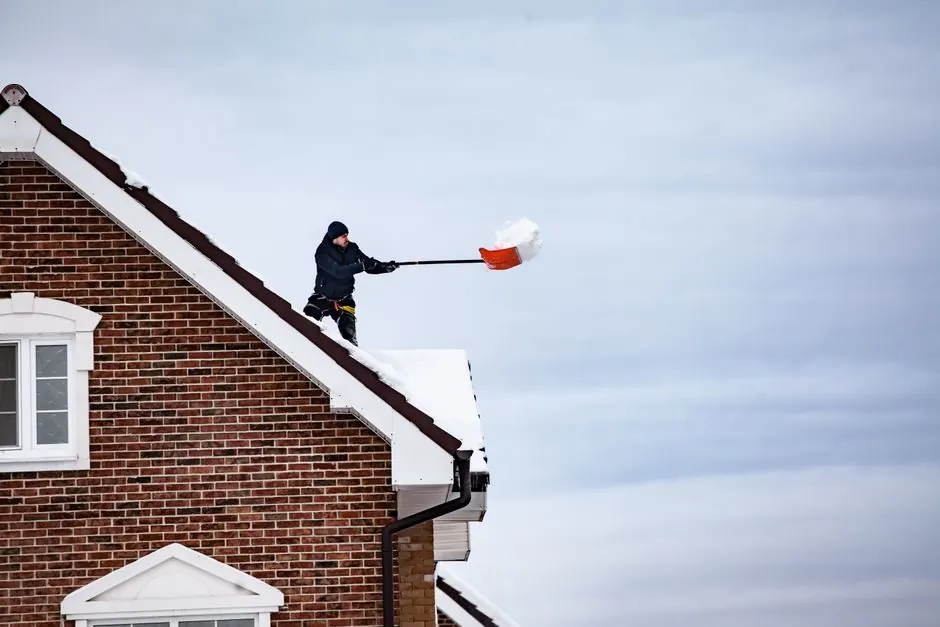
When deep, uneven snow remains on a roof, we remove it in a balanced pattern rather than clearing one isolated patch. Lexington homes with additions or multiple roof planes need particular care around valleys and lower eaves. We assess roof access, nearby doors, and snow drop zones before moving snow off the structure.

View Details
Gutter Ice Removal

Gutter Ice Removal

Frozen gutters can trap meltwater at the roof edge and worsen an existing ice dam. We clear the blockage with a method suited to the gutter and roof configuration, then check the outlet path. On Lexington properties, we take care around fascia, gutter hangers, and landscaping below the eaves.

View Details
Gutter and Downspout Clearing

Gutter and Downspout Clearing

We clear packed leaves, ice, and other obstructions that prevent drainage through gutters and downspouts. A frozen downspout can send water back toward the eave or spill beside the foundation once temperatures rise. We check the outlet route and confirm water can move through the system after clearing.

View Details
Ice Dam Roof Leak Repair

Ice Dam Roof Leak Repair

A leak around a roof edge can involve ice, shingles, flashing, or an underlayment problem that needs closer inspection. We trace the visible entry point, remove the obstruction where appropriate, and identify the roof area needing repair. Lexington customers receive a clear distinction between ice removal and roof repair work.

View Details
Ice Dam Water Damage Restoration

Ice Dam Water Damage Restoration

When meltwater reaches an attic, ceiling, or wall, we assess wet materials and begin suitable drying. We use moisture readings to identify affected areas rather than relying only on the visible stain. Lexington property owners can arrange roof-side ice work and interior water-damage response through one service contact.

View Details
Ceiling and Wall Water Damage Repair

Ceiling and Wall Water Damage Repair

Water-damaged drywall needs inspection before patching or repainting hides the problem. We check the affected ceiling or wall, measure moisture, and determine whether drying or material removal is needed first. Once the area is ready, repair work can return the room to a clean, usable condition.

View Details
Attic Ice Dam Damage Inspection

Attic Ice Dam Damage Inspection

An attic inspection checks for wet insulation, staining, damp framing, and moisture paths below the roof edge. We look beyond the point where water first appeared, since runoff can travel along framing before reaching a ceiling. Lexington homeowners get findings tied to the actual attic and roof conditions observed.

View Details
Ice Dam Removal in Lexington
Service · #1

Ice Dam Removal in Lexington


Ice dam removal in Lexington helps protect homes when winter meltwater refreezes along the eaves. From established neighborhoods near Lexington Avenue to homes around Lake Drive, rooflines face repeated freeze-thaw cycles and heavy snow. Minnesota Ice Dam Pros assesses the buildup, selects a safe removal method, and clears channels for drainage while accounting for roofing materials, access, and the conditions around your property.

Careful Roofline Assessment

Before work begins, technicians examine the ice, roof pitch, shingles, and areas where water may be backing up. In Lexington's mix of older ramblers and newer two-story homes, access and roof details vary considerably. This assessment informs a targeted ice dam removal plan that limits unnecessary disturbance and identifies vulnerable eaves, valleys, and drainage paths.

Controlled Ice Removal

The crew removes obstructive ice in a controlled manner, avoiding forceful chopping that can damage shingles or gutters. Lexington's below-freezing nights can harden a ridge quickly, so work is adjusted to the ice thickness and roof conditions. Technicians prioritize opening a drainage route rather than stripping the roof, then confirm that loosened ice can move safely away.

Drainage And Follow-Up

After clearing, technicians review the affected eaves and note signs of trapped water, loose materials, or recurring accumulation. Homes shaded by mature trees near Lexington's residential streets may retain snow longer than exposed roofs. The visit concludes with practical observations about drainage and attic conditions, helping owners understand what to monitor during the next cold snap.

  • Roofline assessment documenting ice buildup, vulnerable eaves, and access conditions
  • Targeted ice removal that protects shingles, flashing, and gutters
  • Drainage channel clearing with controlled placement of removed ice
  • Post-service observations identifying visible roof and water concerns

Emergency Ice Dam Removal in Lexington


Emergency ice dam removal in Lexington is available when water starts entering a home or a roof edge is rapidly accumulating ice. During sharp Minnesota cold snaps, a small leak can spread across ceilings before conditions improve. Our team responds to urgent calls across Lexington, assesses immediate hazards, and focuses first on relieving the blockage and reducing further water entry while protecting occupants and property.

  1. 01

    Rapid Leak Triage

    On arrival, technicians identify active drips, affected rooms, ice concentration, and safe roof access. For homes near Lexington's community parks and established residential blocks, snow depth and driveway access can complicate a quick response. The initial review helps prioritize urgent ice dam removal, determine whether interior protection is needed, and establish a clear work area around the home.

  2. 02

    Immediate Water Relief

    When conditions allow, the crew opens a controlled path through the ice so backed-up meltwater can drain. Emergency work focuses on practical risk reduction, not aggressive removal across the entire roof. In Lexington's freeze-thaw weather, clearing the critical eave section can help slow continuing seepage while the team avoids damaging brittle shingles, trim, or gutter edges.

  3. 03

    Protecting Interior Areas

    Technicians can help identify where occupants should place containers, move belongings, or avoid a saturated ceiling until further repairs are arranged. In split-level and two-story Lexington homes, water may travel from an upper roofline into a lower room before becoming visible. The crew records observed conditions and explains next steps for inspection, drying, or repair.

  • Urgent roof and interior review to locate active leak conditions
  • Priority ice clearing at the most affected eave or valley
  • Identification of immediate household protection and access concerns
  • Clear next-step notes for drying, inspection, and repair coordination
Emergency Ice Dam Removal in Lexington

02 / 10

Service

5+ YEARS · LEXINGTON

Steam Ice Dam Removal in Lexington

Steam ice dam removal in Lexington uses controlled heat to soften obstructive ice without relying on impact tools. This approach can suit homes with delicate shingles, complex eaves, or recurring winter buildup. Minnesota Ice Dam Pros evaluates the roof and weather before selecting steam equipment, then works methodically along affected areas so meltwater can drain while surrounding roofing and exterior details receive careful attention.

Low Impact Ice Softening

Professional steam equipment applies focused heat to loosen ice in manageable sections. That controlled process is useful on Lexington homes where older asphalt shingles or detailed roof edges may be vulnerable to scraping. The technician adjusts the pace to the buildup and roof profile, opening a drainage route while avoiding excessive heat, rough handling, or unnecessary contact with roofing materials.

Roof Conditions Guide Treatment

Before steaming, the crew checks roof pitch, ice thickness, gutter placement, and nearby surfaces that could receive runoff. Lexington's changing winter temperatures can turn a thin layer into dense, layered ice after successive storms. Treatment is planned around these local conditions, with attention to where meltwater will travel and whether the property offers safe equipment access.

Controlled Runoff Management

As softened ice releases, technicians monitor drainage and keep an eye on eaves, walkways, and landscaping below. Homes with narrow side yards or closely spaced structures in Lexington require deliberate runoff planning. Once the blockage is relieved, the crew checks the treated section and shares observations about remaining ice, possible roof concerns, and conditions that could contribute to another freeze.

  • Roof material and ice-depth evaluation before steam treatment begins
  • Focused steam application to loosen obstructive eave ice
  • Runoff monitoring around gutters, walkways, and landscaped areas
  • Treatment summary with remaining ice and roof observations
Roof Snow Removal in Lexington

Roof Snow Removal in Lexington


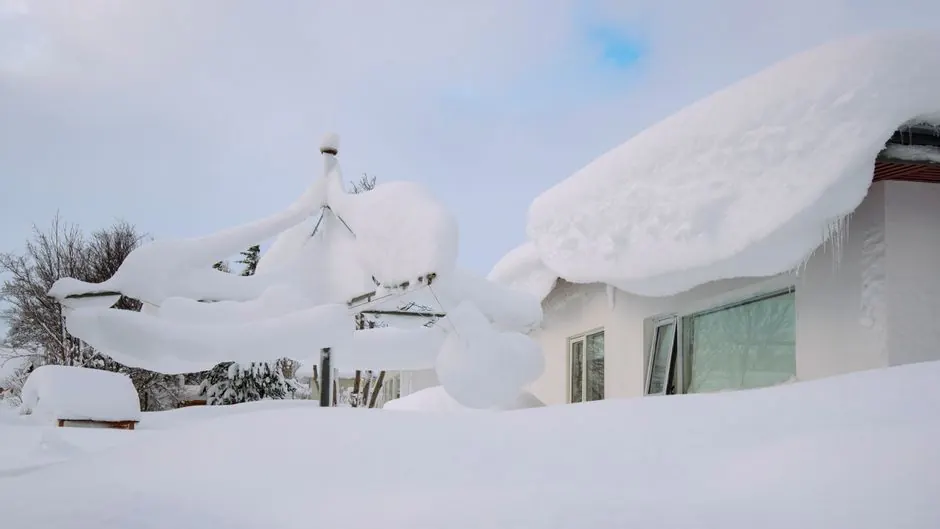
Roof snow removal in Lexington reduces accumulated weight and helps limit uneven melting around eaves. Snow from successive storms can linger on shaded roof slopes, especially during extended cold periods across the Twin Cities. Our team assesses the roof shape, snow depth, and safe access before removing selected areas. Work is tailored to the property, whether it is a compact rambler or a larger Lexington two-story home.

Roof and snow-load observations identifying priority accumulation zones

Promise

“Technicians inspect visible snow depth, roof configuration, overhangs, and access before deciding how much snow to remove. Lexington properties vary from low-pitched mid-century homes to steeper newer construction, so…”

— Lexington customer
Assessing Snow And Roof Load +

Technicians inspect visible snow depth, roof configuration, overhangs, and access before deciding how much snow to remove. Lexington properties vary from low-pitched mid-century homes to steeper newer construction, so one method does not suit every roof. The assessment identifies heavy drift zones and vulnerable edges, helping prioritize areas where snow may contribute to ice buildup or excess load.

Selective Snow Clearing +

Snow is removed selectively with methods suited to the roofing surface, leaving a consistent buffer rather than scraping down to shingles. This careful roof snow removal is especially important when Lexington's snowpack has compacted after several freeze-thaw cycles. Crews work from safe positions and manage the falling snow to reduce risks near entrances, patios, and neighboring property lines.

Safe Ground-Level Planning +

Before work, the team identifies doors, walkways, parked vehicles, and outdoor equipment that need protection from falling snow. In residential Lexington streets, driveways can be tight and winter parking may limit access. The crew establishes a drop zone, communicates where snow will land, and reviews the cleared sections afterward so owners know which slopes remain untouched.

  • Roof and snow-load observations identifying priority accumulation zones
  • Selective snow removal adapted to roofing material and slope
  • Ground-level drop-zone planning around vehicles and entrances
  • Completion notes listing cleared and remaining roof sections
Gutter Ice Removal in Lexington
Service · #5

Gutter Ice Removal in Lexington


Gutter ice removal in Lexington addresses frozen channels that prevent roof runoff from draining properly. Ice-filled gutters can stress hangers, trap meltwater, and contribute to repeated buildup along the eaves. Our technicians inspect the gutter system and surrounding roof edge before choosing a measured removal approach. Across Lexington's residential neighborhoods, we adapt the work to gutter material, height, access, and current winter conditions.

Inspecting Frozen Gutter Runs

The crew checks where ice has formed, whether downspouts are blocked, and if gutters appear pulled away from the fascia. Lexington homes with mature trees may also have packed leaves beneath winter ice, restricting flow further. This inspection guides gutter ice removal by distinguishing a localized freeze from a longer blockage and helps technicians avoid placing unnecessary strain on fragile sections.

Reducing Gutter Strain

Removing frozen material requires care because cold metal and older fasteners can become brittle. Technicians work gradually, addressing the most obstructed sections without prying against the gutter lip. In Lexington's variable winter weather, ice may have refrozen around brackets overnight, so the crew evaluates each area as it proceeds and avoids actions likely to bend or loosen the system.

Restoring Flow Paths

Once the immediate ice is reduced, technicians check whether water has a route through the gutter and toward the downspout. Rooflines along Lexington's shaded streets can refreeze quickly after daytime thawing, making a clear outlet especially important. The team reports any visible sagging, separation, or persistent blockage so owners can plan maintenance beyond the urgent winter visit.

  • Gutter and downspout inspection documenting ice and visible strain
  • Careful removal of obstructive ice from accessible gutter sections
  • Flow-path check from cleared gutter runs toward downspouts
  • Notes identifying sagging, loose brackets, or recurring blockage

Gutter and Downspout Clearing in Lexington


Gutter and downspout clearing in Lexington helps restore drainage when leaves, roof grit, or winter debris block runoff. Seasonal leaf fall from established trees can leave material in gutters before snow arrives, while freezing temperatures turn trapped water into stubborn obstructions. Minnesota Ice Dam Pros checks the full drainage route, clears reachable sections, and notes problems that could lead to overflow near foundations or ice accumulation at roof edges.

  1. 01

    Tracing The Drainage Route

    Technicians inspect gutter runs, corners, outlets, and downspout openings to locate where water flow is restricted. Lexington's tree-lined residential lots can collect leaves and small branches in roof valleys as well as gutters. Following the route from eaves to discharge points helps distinguish a simple debris clog from a crushed or disconnected downspout that needs separate attention.

  2. 02

    Removing Seasonal Debris

    Loose leaves, twigs, and accumulated sediment are cleared from accessible gutter sections using methods appropriate to the property. This practical gutter and downspout clearing can be particularly helpful before Lexington's first sustained freeze, when standing water may become ice. The crew handles debris carefully, keeps the work area orderly, and avoids dislodging gutter components while restoring open channels.

  3. 03

    Checking Discharge Points

    After clearing, the team checks visible outlets and confirms that downspouts are not obviously obstructed or directing water against the home. In Lexington, winter snowbanks can cover lower extensions and redirect discharge toward walks or foundations. Technicians explain any access limitations and identify sections that merit repair or further inspection before the next heavy rain or thaw.

  • Inspection of gutter runs, corners, outlets, and downspout connections
  • Removal of accessible leaves, twigs, sediment, and loose debris
  • Visual confirmation of open discharge points and drainage direction
  • Documentation of damaged sections and blocked lower extensions
Gutter and Downspout Clearing in Lexington

06 / 10

Service

5+ YEARS · LEXINGTON

Ice Dam Roof Leak Repair in Lexington

Ice dam roof leak repair in Lexington addresses water entry caused when melting snow backs up beneath roof materials. A stain near a ceiling fixture or damp wall can signal a leak that began well before it became visible. Our team investigates the likely entry area, documents affected roof details, and recommends repairs suited to the damage, helping homeowners respond before another Lexington freeze-thaw cycle pushes water inside.

Finding The Leak Source

Technicians trace interior moisture toward the roofline, checking eaves, flashing, valleys, and nearby penetrations for visible clues. In Lexington's older homes, water can travel along framing before showing on a ceiling far from the entry point. A focused ice dam roof leak repair assessment separates likely roof concerns from condensation or plumbing issues and guides the next repair steps.

Repairing Vulnerable Roof Details

Once the source is identified, repair planning accounts for shingles, underlayment, flashing, and the condition of adjoining materials. Winter access and cold temperatures can affect what work is appropriate on a Lexington roof, so technicians explain timing and safety considerations. The goal is to address the damaged detail and reduce a repeat path for meltwater, not simply cover an interior stain.

Documenting Interior Impacts

The crew records visible water marks, damp materials, and the location of the suspected roof entry. In Lexington split-level homes, a roof leak may affect an upper bedroom, hallway, or wall cavity before spreading. Clear documentation helps owners coordinate any drying or finish repairs and provides a useful record if additional damage becomes apparent after the roof has been addressed.

  • Leak-source assessment covering eaves, flashing, valleys, and penetrations
  • Repair recommendations matched to observed roofing and underlayment damage
  • Interior moisture locations documented for follow-up coordination
  • Work summary outlining urgent repairs and further inspection needs
Ice Dam Water Damage Restoration in Lexington

Ice Dam Water Damage Restoration in Lexington


Ice dam water damage restoration in Lexington helps address wet materials after roof meltwater enters a home. Prompt attention can limit the spread of moisture through ceilings, insulation, and wall cavities during a cold Minnesota winter. Our team evaluates visible damage, identifies areas requiring drying, and coordinates restoration steps with the source of the leak. Each plan reflects the home's construction and the extent of water exposure.

Room-by-room documentation of visible moisture and affected finishes

Promise

“Restoration begins with a room-by-room review of stains, damp surfaces, soft drywall, and affected belongings. Lexington homes with finished attics or vaulted ceilings may conceal moisture above visible marks, so tech…”

— Lexington customer
Mapping Affected Materials +

Restoration begins with a room-by-room review of stains, damp surfaces, soft drywall, and affected belongings. Lexington homes with finished attics or vaulted ceilings may conceal moisture above visible marks, so technicians note areas requiring closer examination. This assessment supports ice dam water damage restoration planning and helps determine which materials may be dried, monitored, or removed.

Drying And Moisture Monitoring +

Where appropriate, drying equipment and moisture checks are used to address water in accessible building materials. The process considers indoor temperatures, airflow, and the condition of insulation and finishes. In Lexington's winter climate, keeping restoration work coordinated with roof leak control is important; otherwise, new meltwater can undermine drying progress and extend disruption for occupants.

Repair Coordination And Records +

Technicians document affected rooms, visible material changes, and restoration actions so homeowners can follow the work clearly. In Lexington, water may pass from an upper roof area into a lower ceiling cavity, expanding the area that needs review. The team explains which repairs depend on completed drying and which concerns should be checked again after the next thaw.

  • Room-by-room documentation of visible moisture and affected finishes
  • Moisture checks to guide drying and material decisions
  • Drying setup recommendations coordinated with roof leak control
  • Restoration record listing work completed and areas needing monitoring
Ceiling and Wall Water Damage Repair in Lexington
Service · #9

Ceiling and Wall Water Damage Repair in Lexington


Ceiling and wall water damage repair in Lexington restores interior surfaces affected by ice-dam leaks after the water source is controlled. Stains, bubbling paint, and softened drywall can appear in bedrooms, hallways, or finished lower levels. Our team checks the extent of visible damage, confirms whether materials are ready for repair, and plans suitable work for the home's finishes and layout, from older ramblers to newer Lexington houses.

Evaluating Damaged Finishes

Before patching, technicians inspect the ceiling or wall for staining, cracking, loose tape, and signs of lingering moisture. In Lexington homes with textured ceilings or layered finishes, a repair may need careful matching to blend with surrounding surfaces. This evaluation clarifies whether affected drywall can remain or should be removed and helps avoid covering material that has not dried adequately.

Repairing Ceilings And Walls

Once moisture conditions are suitable, damaged sections can be repaired with attention to edges, joints, and the existing finish. Ceiling and wall water damage repair is planned around the room's use and appearance, whether the affected area is a front entry or an upstairs bedroom. Lexington homeowners receive a clear explanation of the repair scope before interior work proceeds.

Finishing For A Consistent Look

The final stage focuses on preparing repaired surfaces for a neat finish and identifying any remaining discoloration or unevenness. Matching older paint and textures in established Lexington homes may require additional owner input about prior materials. Technicians review the completed area and share care guidance, while noting any signs that warrant renewed moisture checks after future winter storms.

  • Interior surface evaluation for staining, loosened finishes, and moisture
  • Repair plan identifying drywall removal, patching, and finish requirements
  • Ceiling and wall restoration coordinated with verified drying conditions
  • Completion review noting finish consistency and follow-up concerns

Attic Ice Dam Damage Inspection in Lexington


Attic ice dam damage inspection in Lexington can reveal roof leaks and moisture before damage spreads into finished rooms. Water may travel through insulation or along rafters while the attic remains out of sight. Minnesota Ice Dam Pros checks accessible areas for damp materials, staining, and visible airflow concerns, considering the home's roof design and recent winter weather. Findings help Lexington owners understand what needs attention now and what merits monitoring.

  1. 01

    Checking Rafters And Sheathing

    Inspectors look for water marks, darkened wood, damp sheathing, and other visible signs near roof edges and valleys. Lexington homes range from older low-profile roofs to newer designs with more complex attic spaces, affecting access and sightlines. An attic ice dam damage inspection records where evidence appears and whether it aligns with exterior ice or reported ceiling leaks.

  2. 02

    Reviewing Insulation Conditions

    The inspection includes accessible insulation for compression, wet spots, displacement, or staining that may indicate past water entry. In Lexington's cold winters, moisture in attic materials can remain hidden after a leak stops. Technicians note conditions without disturbing areas that require specialist handling, then explain whether drying, replacement, or additional evaluation should be considered.

  3. 03

    Noting Ventilation And Moisture

    Visible ventilation paths and signs of condensation are reviewed alongside evidence of roof leakage, since more than one factor can contribute to attic moisture. Lexington homes with finished upper floors may have limited access or enclosed eaves. The inspector documents accessible findings, explains any inspection limits, and identifies practical next steps for reducing recurring winter moisture concerns.

  • Attic observations documenting staining, damp sheathing, and visible leaks
  • Accessible insulation review for wetting, displacement, and compression
  • Ventilation and condensation concerns noted with inspection limitations
  • Written findings outlining priority follow-up and monitoring areas
Attic Ice Dam Damage Inspection in Lexington

10 / 10

Service

Residential Ice dam removal

Residential ice dam removal for Lexington homes

Lexington homes range from compact rooflines to properties with attached garages, additions, dormers, and multiple eaves. Those transitions affect where snow settles and how meltwater reaches gutters. We handle steam ice removal, roof snow clearing, and leak response for homeowners who notice icicles, water staining, or wet attic insulation. If a ceiling mark appears after a thaw, we check the roof-side path and inspect the interior area before cosmetic repairs begin. We also coordinate around household access: keep children and pets clear of the work zone, move cars from the eaves, and tell us which door should remain open. The goal is to stop the water source, confirm the drainage path, and give you a practical next step for any materials that became wet.

  • Steam clearing at roof edges — We use controlled steam to open a drainage path through ice without chopping at shingles. For your Lexington home, we inspect the roof edge and nearby gutter before selecting the working area. This is useful when a visible ice ridge is holding meltwater above an exterior wall or garage.
  • Snow removal over living spaces — Where snow buildup is adding a concern, we remove it in a balanced sequence and protect the area below. We account for roof additions, entryways, and vehicles around Lexington homes. The crew identifies safe drop zones before moving snow, not after it starts sliding.
  • Attic moisture inspection — If you see a ceiling stain, we check above it for wet insulation, damp framing, and a likely route from the roof edge. Our inspection connects visible damage to the roof condition. We use moisture readings to distinguish a dry old mark from materials that still need drying.
  • Leak cleanup and room repair — When water reaches drywall or ceilings, we assess the affected area before patching. We can arrange drying and repair steps after the roof restriction is addressed. Lexington homeowners get a sequence that deals with the source first, then the materials and finish below.
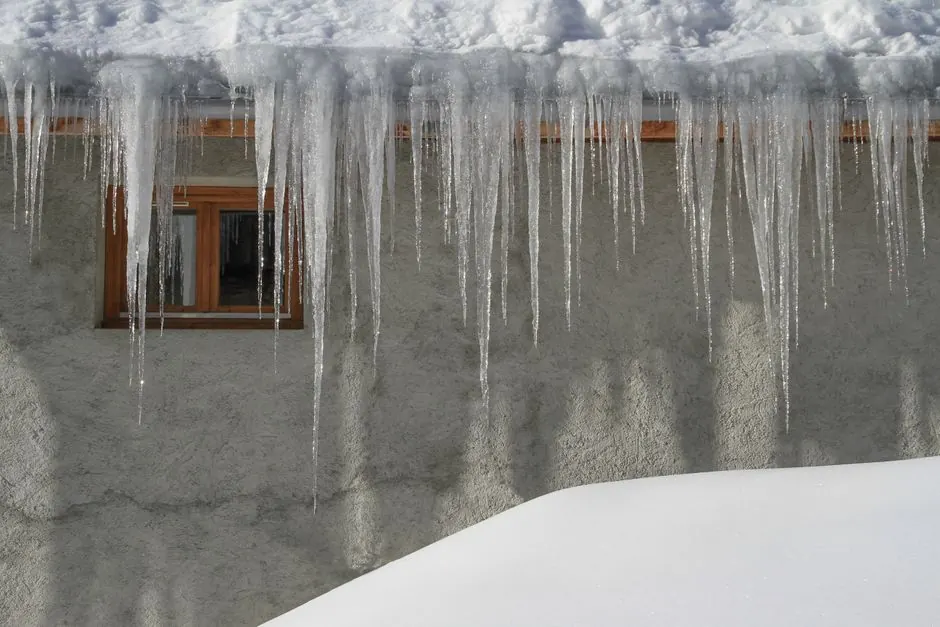
Commercial Ice dam removal

Commercial ice dam services in Lexington

Lexington businesses need roof work that controls falling ice while keeping entrances, parking, and deliveries manageable. We serve small retail and service properties, offices, community facilities, and other commercial buildings with roof ice removal, gutter clearing, and leak response. A manager should tell us which entrances must stay open, where customers park, and whether a loading area can be temporarily restricted. If you are looking for commercial ice dam removal with minimal disruption, we plan the work zone and snow drop area before the crew begins. We can also inspect interior ceiling stains or damp materials after a leak. For multi-unit or managed properties, one point of contact helps coordinate access and communication with occupants.

Local retailProfessional officesCommunity facilitiesProperty managementSmall service businesses

Common Lexington roof ice problems

Lexington's winter pattern brings snow, intermittent daytime warming, and overnight freezes that can turn roof runoff into ice at the eaves. Homes and small commercial buildings have varied roof shapes, including attached garages and additions where drainage paths meet. Ice does not prove a roof defect by itself; attic heat loss, ventilation, insulation condition, and gutter blockage all affect the pattern. We identify the actual restriction before recommending work, then check for roof leaks, wet insulation, or water-damaged drywall if the interior shows signs of entry.

Ice dams return after each mild daytime thaw and overnight freeze

Snow can melt during a warmer interval and refreeze at colder eaves, especially where roof temperature differs from the edge. The freeze-thaw pattern is common in Minnesota winters, but roof orientation, attic conditions, and snow cover determine how it behaves at an individual Lexington property.

Frozen gutters and downspouts trap runoff along the roof edge

Leaves, packed snow, or existing ice can block a gutter or downspout. Meltwater then has nowhere to drain and may freeze into a heavier blockage. This affects Lexington properties with different gutter layouts and is not determined by water hardness or neighborhood name.

Water appears indoors far from the original roof entry point

Roof runoff can travel along framing or the underside of the roof before reaching a ceiling or wall. A stain below the actual leak can make the source difficult to identify, especially when attic insulation obscures the route or the leak occurs only during a thaw.

Snow buildup at roof transitions feeds persistent eave ice

Valleys, dormers, and roof additions can collect snow differently from open roof planes. When that snow melts, water may concentrate at a lower edge and refreeze. Lexington properties with attached garages or several roof sections need a roof-specific plan.

When Lexington roofs need ice removal

Call for ice dam removal when water is backing up at the eave, a gutter is frozen solid, or a ceiling mark grows after a thaw. In Lexington, a roof can look clear from the street while a shaded edge remains locked with ice. If you are wondering when to call a professional for an ice dam, do not wait for water to reach a light fixture or spread across drywall. Share what you see indoors and outdoors; we will trace the likely route and check whether the issue is limited to roof ice or includes hidden moisture.

  • Water staining at an exterior wall ceiling

    A brown or yellow mark near an outside wall can indicate water moving inward from a backed-up roof edge. If the spot enlarges after a thaw or feels soft, call promptly. Avoid puncturing a bulging ceiling; trapped water and weakened drywall can create a sudden release.

  • Thick ice ridge running along the eaves

    A raised band of ice at the roof edge can hold meltwater above the shingles. The risk increases when fresh snow melts during the day and refreezes overnight. Do not chip the ridge with a hammer or axe, which can damage shingles, gutters, or roof flashing.

  • Gutters overflowing despite clear rain-free weather

    Water spilling over a gutter in winter often means ice has blocked the trough or downspout. The trapped water can refreeze and add weight to the gutter assembly. Call if you see repeated overflow, hanging ice, or a gutter pulling away from the fascia.

  • Damp attic insulation or musty roof framing

    Wet or compressed insulation and darkened framing can signal attic moisture intrusion, even when the living-room ceiling still looks normal. Moisture can travel away from the roof entry point. An attic check helps identify how far water has moved and whether drying is needed.

  • New icicles forming above doors or walkways

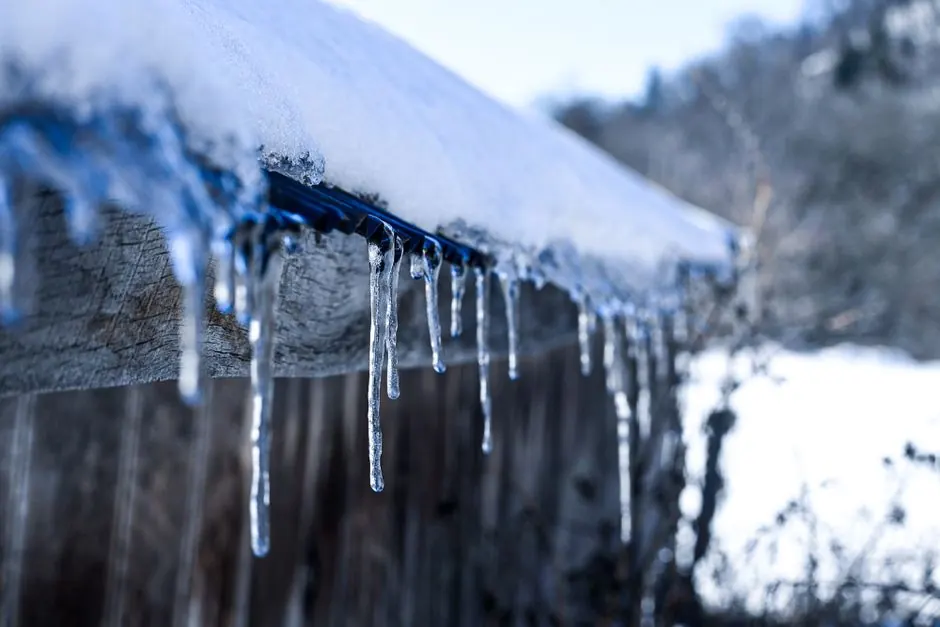
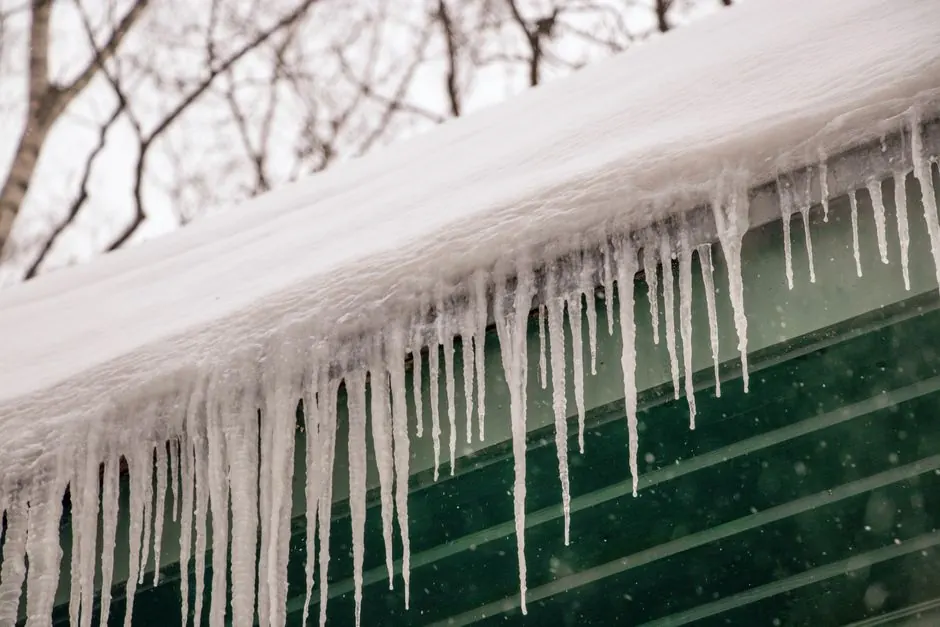
    Icicles can indicate repeated runoff and refreezing at the roof edge, and falling ice presents a direct hazard below. Keep people clear of the drop zone and avoid pulling the icicles down from a ladder. We can assess the ice source and clear the obstruction safely.

Landmarks that help locate Lexington

Lexington is easy to orient within the north metro using its civic and recreation landmarks, together with Lexington Avenue and nearby regional roads. These points help us confirm the general part of town before navigating to your address; they are orientation references only. For service, share the property address, the best driveway entrance, and any access restrictions. If snow is limiting parking, tell us where a service vehicle can stage without blocking your household or business.

Lexington City Hall

Lexington City Hall is a civic reference point in the city. It helps distinguish central Lexington from surrounding north-metro communities when arranging directions, but it is not a service location or a claim about nearby roof conditions.

Lexington Athletic Complex

The Lexington Athletic Complex is a local recreation reference that helps orient drivers within Lexington. Giving this point together with your street or nearest intersection makes it easier to identify the correct residential area.

Centennial Lakes Park

Centennial Lakes Park is a recognizable Lexington-area recreation landmark. It can help describe the general location of nearby streets, while the service crew still relies on your exact property address for arrival.

Coverage across Lexington & Anoka County

55014

Plus surrounding Anoka County neighborhoods, with same-day routing on most appointments.

Lexington ice dam concerns by season

As October moves toward the first sustained freezes, Lexington homeowners can use fall to clear gutters, check attic insulation, and prepare safe access before snow arrives. Winter is the main period for roof ice calls, especially when daytime melting is followed by hard overnight freezes. Spring brings visible leaks as snow and ice release; summer is the time to repair roof details and address attic moisture causes. If you are asking how to prevent ice dams on a Lexington roof, focus first on drainage, attic conditions, and early attention to recurring leaks.

Spring

Thawing snow exposes ice dams, overflowing gutters, and roof leaks that may have been hidden during colder weeks. Water stains can become more visible as runoff increases. Check attic insulation and ceilings after a storm, and report any sagging drywall or persistent dampness promptly.

Tip: Photograph new stains and note whether they change after rain or snowmelt. Have us inspect the roof edge and attic before covering a damp area with paint or a drywall patch.

Summer

Ice removal is rarely the issue, but summer provides better conditions to address roof repairs, flashing concerns, attic ventilation, and insulation problems identified during winter. A dry attic makes it easier to see staining and determine whether previous moisture has left damaged materials.

Tip: Schedule follow-up inspection and repairs while roof surfaces are accessible. Replace wet insulation only after the moisture source is corrected, or the same problem can return next winter.

Fall

October is the time to prepare Lexington homes for winter: leaves can clog gutters, downspouts need a clear outlet, and attic conditions should be checked before snow cover. A clean drainage path does not eliminate every ice dam, but it removes one preventable obstruction.

Tip: Clear leaves from gutters, check downspout discharge, and move vehicles away from likely roof-drop zones when a snow event is forecast. Report recurring winter leaks before temperatures fall.

Winter

Snowfall followed by daytime warming and overnight refreezing can build ice at roof edges. Watch for icicles, water over gutters, ceiling marks, and damp attic insulation. A roof can develop a drainage problem even when the driveway and sidewalks have been cleared.

Tip: Keep people away from falling-ice zones and do not chip ice from shingles. Call with the roof side, visible symptoms, and any indoor leak so we can plan the right response.

Regional ice dam coverage near Lexington

Lexington is part of our wider Minnesota service area, connecting north-metro calls with service routes across the Twin Cities and beyond. We coordinate jobs by urgency, roof access, and current road conditions, especially during widespread snow and refreeze events. If you manage properties in multiple communities, our nearby city pages provide a starting point for the same roof-ice and water-damage services. Lexington remains the local focus for this page; the other locations reflect the broader coverage area.

Lexington ice dam removal FAQs

Real answers from our team for the questions we hear most often before a job starts.

How much does ice dam removal cost in Lexington?
Accessible Lexington ice dam removal commonly costs about $300-$900 in 2026, while steep roofs, thick ice, or added snow removal can push work to $1,200 or more. We price the roof height, affected eave length, access setup, and whether a leak needs immediate protection. Interior drying or drywall repair is a separate stage when moisture has reached the home. Call with the roof location and a description of any indoor staining.
How long does ice dam removal take in Lexington?
A straightforward accessible roof section usually takes two to four hours; extensive ice, multiple roof planes, or difficult access can take longer. We first assess the roof and safe setup, then remove ice in controlled stages and check the drainage route. If water has entered the attic or a finished room, inspection and drying add time beyond the roof work.
Can steam ice dam removal damage roof shingles?
Steam removal is designed to clear ice without the direct impact of axes or hammers, but the technician still has to match the method to the roof surface and condition. We direct the nozzle carefully and avoid forcing tools beneath shingles. Tell us whether you have shingles, metal roofing, or a previous repair so we can assess the roof before work.
When should I call for an ice dam roof leak?
Call as soon as you see active dripping, a growing ceiling stain, wet attic insulation, or water near an electrical fixture. Stop using a wet light or outlet and keep clear of a sagging ceiling. We address the roof-edge obstruction and check how far moisture has spread. Early action can limit the area needing drying and repair.
Do you remove gutter ice and frozen downspouts in Lexington?
Yes, we clear gutter ice and frozen downspouts when they are blocking roof-edge drainage. We inspect the gutter route, remove the obstruction with a suitable method, and check that the outlet can discharge. If a roof ice dam is also present, we address the connected restriction so meltwater has a usable path away from the eave.

Call for ice dam removal in Lexington

A growing ceiling stain, frozen gutter, or heavy ice ridge needs a direct roof assessment. Minnesota Ice Dam Pros serves Lexington with steam removal, roof snow clearing, and water-damage response. Call +1 612-555-0100 and tell us what you see, which side of the roof is affected, and whether water is entering indoors. We will discuss the next step and upfront pricing before work begins.

Call Our Team Send a Message

Contact Minnesota Ice Dam Pros

Call +1 612-555-0100 for ice dam removal or frozen pipe help across Minnesota. We take urgent calls around the clock and respond with practical questions about the leak, roof access, or water service so we can direct the right crew. Share your community and what you see; we will explain the next step and pricing before work starts.

Or call us right now at +16125550100 — we answer.

Minnesota Ice Dam Pros


  • Phone

    +16125550100
  • Address

    Minnesota

  • Hours

    Mon–Fri: 7AM – 7PM
    Sat: 8AM – 4PM
    Sun: Emergency Only
    24/7 Emergency Available

Call +16125550100 Get Quote
Call Quote