
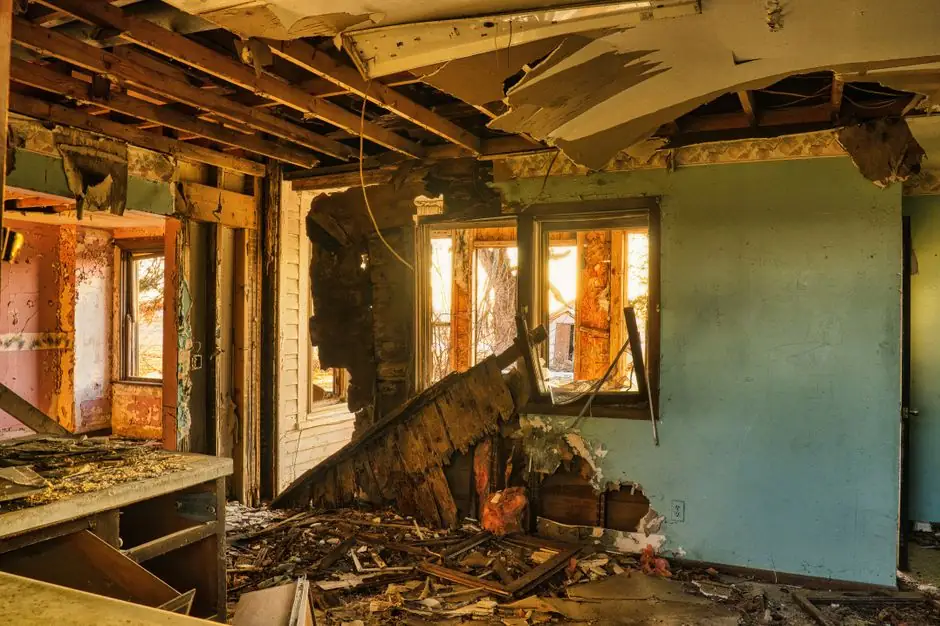
The first steps after an ice dam leak are to protect people and belongings, stop water from entering, extract standing water, and measure moisture in affected materials. In St. Paul, restoration crews then set up controlled drying and keep checking until the roof cavity, ceiling, and walls reach dry readings. Ice dam water damage restoration in St. Paul is the process of removing water and drying building materials after meltwater backs up beneath roof shingles. We'll explain what happens first, what you can safely do before a crew arrives, and how the source of the leak gets addressed so water does not keep returning.
What happens first during ice dam water damage restoration in St. Paul?
Ice dam water damage restoration in St. Paul begins with a safety check, active leak control, water removal, and a moisture map of the affected rooms. Our team looks at where water entered and where it traveled, not just the stain you can see on the ceiling. A small brown mark can sit below wet insulation or a damp wall cavity.
We also ask when the leak started, whether it is still dripping, and whether the ceiling has changed shape. If water is near a light fixture, breaker, or appliance, keep clear and shut off power to that area only if you can reach the breaker safely. A bulging ceiling is a warning: do not press it or stand beneath it.
Once the immediate hazards are addressed, we photograph visible damage and check accessible surfaces with a moisture meter. That gives us a baseline for the drying plan. Our Ice dam removal in Minnesota work connects the roof-side problem with the water damage below, because drying the room alone will not solve an active ice backup.
How do we stop the leak and remove standing water?
Stopping active water in a St. Paul home means controlling the roof-side source where conditions allow, then extracting water from floors and furnishings. If water is still coming through, place a container under a drip and move electronics, rugs, and valuables out of the path. Don't climb onto an icy roof or try to chop a dam with a hatchet; that can damage shingles and put you at risk of a fall.
For emergency water extraction after roof ice leaks, we use pumps or wet vacuums suited to the volume and surface. Carpet that has absorbed water needs attention at the pad and edges, not just a quick pass over the top. We separate wet items, protect unaffected areas, and remove water before fans push moisture into adjoining rooms.
The roof source still needs attention. In St. Paul, freeze-thaw swings can melt snow during a sunny afternoon and refreeze runoff at a colder eave overnight. Our Ice dam removal in St. Paul service addresses the ice buildup without the damaging impact of chipping, while restoration work handles the water already inside.
How do contractors check for hidden moisture after a roof leak?
Contractors check for hidden moisture in St. Paul homes with moisture meters, infrared imaging, visual inspection, and selective access to concealed areas. We compare readings from wet materials with dry reference areas, then trace the route from the roof line through insulation, framing, ceiling, and wall. Infrared images help identify temperature patterns, but we confirm suspicious areas with direct measurements.
That matters in older St. Paul houses, where plaster, layered ceilings, and enclosed attic slopes can hold water out of sight. We check around light fixtures, exterior walls, window trim, and the top plate of a wall beneath the leak. If insulation is damp, it can lose performance and keep framing wet even when the room feels warm.
We record readings in several locations rather than relying on one spot. For example, a meter reading at the center of a ceiling stain does not tell us whether the joist ends or adjacent wall cavity are still wet. An attic inspection can also reveal wet sheathing, compressed insulation, rusted fasteners, or a trail of water that points back to the roof edge.
How quickly should ice dam water damage be dried?
Ice dam water damage in a St. Paul home should be assessed and drying started as soon as possible, ideally within 24 to 48 hours of discovery. The exact drying time depends on how much water entered, the material, indoor temperature, and airflow; many affected areas take 3 to 5 days of active drying, with daily moisture checks.
Drying a home after an ice dam leak is not simply leaving a box fan in the room. We position air movers to direct airflow across wet surfaces and use dehumidifiers to collect moisture from the indoor air. In cold Minnesota weather, we also manage heat and ventilation carefully so equipment works effectively without sending humid air into an attic or other cold space.
We check the same measurement points over time. Drywall, framing, subfloor, and insulation each release moisture at a different rate, so the equipment stays in place until the readings show that materials have dried, not just until the visible stain fades. The goal is controlled drying without overheating a room or driving moisture deeper into the structure.
What should you do before restoration crews arrive?
Before restoration crews arrive in St. Paul, document the damage, protect belongings, and avoid disturbing wet building materials. Your first actions can reduce additional damage, but they should not put you on a ladder, under a sagging ceiling, or near wet electrical equipment.
- Take photos of the ceiling, walls, floors, and affected belongings before moving items.
- Put a clean container beneath a drip and place towels around it if the floor is safe to reach.
- Move furniture and valuables away from wet areas; set foil or plastic under furniture legs if they cannot be moved.
- Keep children and pets out of the affected room, especially if water is near electrical fixtures.
- Note when you first saw the leak and whether the water is continuing.
For Minnesota water damage restoration after an ice dam, those details help us understand how long materials may have been wet and whether the leak changed during the day. Do not puncture a bulging ceiling to drain it; water weight and weakened plaster can make a collapse unpredictable.
Common mistakes after an ice dam leak
Common mistakes after an ice dam leak in St. Paul include treating only the visible stain, using heat without moisture monitoring, and removing roof ice with tools that damage shingles. A ceiling mark may dry on the surface while insulation and framing remain damp above it. That hidden moisture can lead to odor, deterioration, and additional repairs.
We also see homeowners close the door and run a household fan without a dehumidifier. Air movement can help, but if indoor humidity rises and moisture has nowhere to go, the room may stay damp. Avoid painting or patching wet drywall; the repair can conceal the problem before the cavity dries.
Another common error is assuming the leak has ended because dripping stopped. Meltwater can pause as temperatures drop, then return during the next thaw. Roof snow and ice need careful handling, especially on steep or older roofs. Removing the source safely and verifying the interior is dry are separate parts of a complete repair.
When to call a professional in St. Paul
Call a professional in St. Paul when water is actively entering, a ceiling is sagging, insulation or a wall cavity is wet, or the leak returns during a thaw. We can assess roof-side ice, extract water, locate moisture beyond the visible stain, and set up structural drying with repeat readings. A leak near electrical wiring or a large area of wet ceiling needs prompt attention.
Our crew handles the sequence from water intrusion through drying, and we can coordinate the roof-side response with Ice dam water damage restoration in Minnesota. If you see wet attic framing or suspect water is traveling along a roof deck, an Attic ice dam damage inspection in Minnesota helps identify the extent before the ceiling is closed back up.
We'll explain what we find and the next practical steps. We also provide upfront pricing before work begins, so you know what the planned service covers.
Frequently Asked Questions
What is the first step after an ice dam causes water damage?
The first step is to protect people from electrical hazards or a sagging ceiling, then stop active water if it is safe. Move valuables, document the damage, and arrange prompt water extraction and moisture checks. Do not climb onto an icy roof or cut into a bulging ceiling.
How quickly should a St. Paul home be dried after an ice dam leak?
Start assessment and drying as soon as possible, ideally within 24 to 48 hours of finding the leak. Active drying commonly takes 3 to 5 days, but wet insulation, cold conditions, and concealed cavities can extend that period. Moisture readings-not a calendar estimate-show when materials are dry.
Can restoration crews find hidden moisture in walls and ceilings?
Yes. Crews use moisture meters, infrared imaging, visual checks, and selective access to find water behind finishes. We compare wet areas with dry reference points and trace moisture from the roof line into ceilings and walls. A visible stain alone cannot confirm that the cavity is dry.
Does ice dam water damage restoration include structural drying?
Yes, restoration includes structural drying when framing, drywall, flooring, or other building materials are wet. Air movers and dehumidifiers run while technicians check moisture readings, often over several days. The equipment is removed after readings confirm the materials have reached an appropriate dry condition.
Who should I call for ice dam leak restoration in St. Paul?
Call a restoration provider that can address water extraction, hidden-moisture checks, and structural drying, and arrange safe ice dam removal for the roof source. If water is active or the ceiling is sagging, treat it as urgent. Minnesota Ice Dam Pros can help with the ice and the resulting interior water damage.
Get help with Ice dam removal in St. Paul
If an ice dam leak has wet your ceiling, wall, or floor, Minnesota Ice Dam Pros can help stop the source and begin the right drying steps. Call +1 (612) 555-0100 to arrange help.