
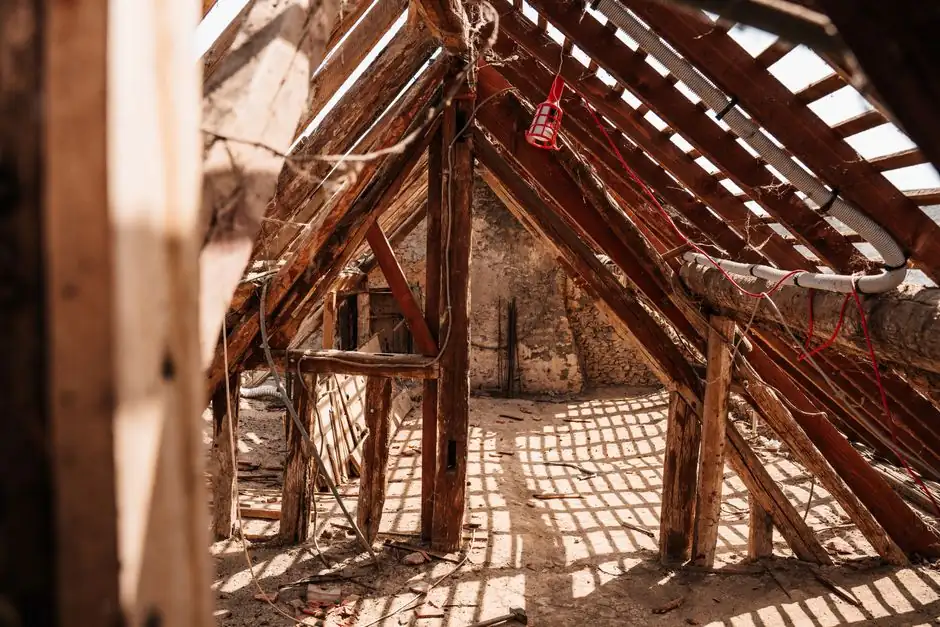
To spot attic damage after an ice dam forms, look for fresh water stains or drips, damp or compressed insulation, frost, and dark or softened roof sheathing. Check the underside of the roof and the insulation above the affected ceiling as soon as it is safe to enter; damage can remain hidden after the visible leak stops. This guide explains what to look for, how to check safely, and when to arrange an inspection. Minnesota Ice Dam Pros helps homeowners trace ice-dam leaks and assess attic materials before trapped moisture leads to larger repairs.
How to spot attic damage after an ice dam forms is a visual attic inspection that identifies water entry and wet building materials after winter ice blocks roof drainage. It is useful even if you never saw water dripping inside, because meltwater can travel along rafters before reaching a ceiling.
How to spot attic damage after an ice dam forms
An attic damage check after an ice dam in Minnesota starts with the roof underside, the insulation near the eaves, and any framing below the roof edge. Begin where the ice dam formed, but look beyond that spot: water can run downhill across sheathing or along a rafter and appear several feet from the entry point.
Use a bright flashlight and move slowly from the attic hatch toward the eaves. Do not step on drywall or insulation; walk only on secured joists or a proper walkway, and keep clear of exposed wiring, nails, and low roof framing. A moisture meter can help compare a suspect area with dry wood, but appearance and feel still matter.
For a practical inspection, note the location of every clue and take photos with a ruler or another size reference. Mark whether the spot lies at a roof valley, chimney, plumbing vent, or eave. That record helps our team connect attic evidence with the exterior ice buildup and plan an Attic ice dam damage inspection in Minnesota.
What are the first signs of attic damage after an ice dam?
The first signs of attic damage after an ice dam are brown or yellow roof-deck stains, wet insulation, water beads on nails, and damp rafters near the eaves. These clues often appear before a ceiling stain becomes obvious in the room below.
Look for changes in texture as well as color. Fiberglass batts that look matted, heavy, or pulled away from the ceiling are often wet; loose-fill insulation may form clumps, flatten, or show a darker patch. A musty smell can point to persistent dampness, though odor alone does not locate the leak.
- Water marks: Tan rings, streaks, or dark spots on roof sheathing, rafters, or the chimney framing.
- Moisture: Droplets on nail tips, shiny damp wood, or a wet edge on insulation.
- Cold-weather evidence: Frost on the underside of the roof deck or on fasteners that later melts and leaves new staining.
- Changes indoors: A ceiling bubble, peeling paint, or a stain near an exterior wall or upper-floor window.
One small stain does not prove that a leak is still active. Photograph it and check again after 24 to 48 hours or after the next thaw; expanding edges, fresh droplets, or a newly damp patch mean moisture is continuing to move.
How to check an attic safely after an ice dam leak
You can check an attic for damage after an ice dam leak by inspecting accessible surfaces in a fixed order: roof deck, rafters, insulation, and the ceiling below the suspected leak. In Minnesota, avoid entering an attic during an active storm or when snow or ice makes the roof and access area unsafe.
Start at the hatch and look for water before moving stored items or disturbing insulation. Use a flashlight rather than an open flame, and do not touch wet electrical equipment or wiring. If water is near a light, junction box, or fan, leave the area and have the electrical hazard assessed.
- Scan roof sheathing from the ridge down toward the eaves, looking for stains, darkened seams, swelling, or visible sag.
- Follow rafters and trusses toward the roof edge; check joints, nail points, and penetrations for water tracks.
- Inspect insulation without pulling it apart. Note dampness, compression, clumping, or frost on the side facing the roof.
- Compare the location above a ceiling stain with nearby dry areas, then photograph both for context.
Do not climb onto the roof to confirm what you saw from inside. Ice-dam removal requires controlled methods: Steam ice dam removal in Minnesota addresses the exterior ice without the impact damage that chopping can cause to shingles and roof edges.
What ice dam moisture can damage
Ice dam moisture can damage roof sheathing, framing, insulation, and interior finishes when water remains trapped or repeatedly wets the same area. The visible ceiling mark is only one part of the attic moisture and insulation damage from ice dams.
Roof sheathing damage after ice dams may begin as a dark stain or swollen panel edge. Persistent wetting can weaken wood-based panels, loosen fasteners, and encourage decay; a soft spot, sagging panel, or delaminated edge deserves prompt assessment rather than a poke with a tool.
Wet insulation loses performance because water replaces air within the material, and it can keep adjacent wood damp. A small wet section may dry if the leak is stopped and the attic conditions support drying, but insulation that is saturated, compressed, or contaminated often needs removal and replacement. Do not cover it with fresh material before the source is fixed.
Cold-climate roofs also face condensation. Warm indoor air leaking into a cold attic can create frost, so not every icy attic surface proves an ice-dam leak. A pattern concentrated near eaves after a dam forms, especially with a matching roof-deck stain or indoor ceiling mark, points more strongly toward water entry; broad frost across the roof deck calls for checking air sealing and ventilation too.
For homeowners in older neighborhoods with varied rooflines and additions, a leak may cross a valley or transition before it shows indoors. We handle Ice dam removal in Minneapolis, where a careful attic-to-roof review helps distinguish a localized ice-dam leak from other roof or ventilation issues.
What to do after finding water stains in an attic
After finding water stains in an attic, document the affected area, reduce further water entry safely, and arrange an inspection if the stain is fresh, spreading, or paired with wet insulation. If water is dripping, place a container beneath it only when you can do so without touching electrical equipment or walking on an unsafe surface.
Take wide and close-up photos, record the room below, and note when the ice dam appeared and whether the stain changed after a thaw. If you have a moisture meter, record readings in the wet-looking area and a nearby dry reference point; a single number without comparison can mislead because wood species and temperature affect readings.
Do not paint over a ceiling stain or seal a damp roof surface. First stop the entry point and let the structure dry; then replace insulation or repair finishes as needed. Our Ice dam roof leak repair in Minnesota work focuses on locating and correcting the roof leak so the attic can dry instead of receiving another round of meltwater.
Winter is approaching in October, so this is a good time to record vulnerable eaves and check attic insulation before repeated freeze-thaw cycles begin. During the season, inspect after a suspected leak and again after the next thaw; each spring, check for stains that appeared while snow covered the roof.
Common mistakes during an attic damage check
Common attic inspection mistakes in Minnesota include treating one dry visit as proof that a leak never occurred, disturbing wet insulation before documenting it, and climbing onto an icy roof to investigate. A leak may stop when temperatures drop, then restart during the next thaw.
Do not assume every ceiling stain sits directly below the roof opening. Rafters, sheathing seams, and other framing can channel water sideways, so trace the path uphill and toward the eaves instead of opening the ceiling at the first mark.
Also avoid using a screwdriver to test whether sheathing is sound. Puncturing a panel can create damage, and a visual check cannot establish structural strength. If wood feels soft under light pressure, looks swollen, or sags between supports, stop and have the area assessed professionally.
When to call a professional for attic ice dam damage
Call an attic damage inspection contractor when you find active dripping, wet or compressed insulation, soft or sagging sheathing, repeated stains, or water near electrical components. Arrange an inspection within 24 to 48 hours for active wet materials; faster action is appropriate when water is flowing or the ceiling is bulging.
Professional assessment connects the attic clues to the roof and checks whether the leak has stopped, which materials need drying or replacement, and whether ice remains at the eaves. Our team at Minnesota Ice Dam Pros can inspect attic evidence alongside the ice-dam problem and explain the next practical step. If the roof has an active dam, we can address the ice as part of stopping further entry.
In the Twin Cities, alternating daytime thaws and overnight freezes can reopen a roof-edge leak after a quiet stretch. Do not wait for a larger stain if you already see damp wood or wet insulation; early inspection limits how far moisture spreads and makes the repair plan clearer.
Frequently Asked Questions
What are the first signs of attic damage after an ice dam?
The earliest clues are usually roof-deck stains, water beads on nails, damp insulation, or frost that melts and leaves a wet mark. Check the eaves and rafters after a thaw, then compare the area again within 24 to 48 hours to see whether the stain or moisture is growing.
Can an ice dam damage roof sheathing or insulation?
Yes. Repeated water entry can stain or swell roof sheathing and wet or compress insulation, reducing its effectiveness. A soft panel, sagging area, or saturated batt needs professional assessment, and wet insulation should not be covered with new material before the leak is stopped and the cavity dries.
How soon should attic moisture be inspected?
Have active drips or wet insulation assessed within 24 to 48 hours, and act sooner if water is near electrical equipment or a ceiling is bulging. A dry-looking attic after the weather turns colder does not rule out a leak; recheck after the next thaw.
When should I call an attic damage inspection contractor?
Call when you see fresh or expanding stains, damp insulation, soft sheathing, repeated leaks, or a musty odor that persists. A contractor can trace the moisture path and determine whether the roof needs repair, the attic needs drying, or affected materials require replacement.
Can ice dams cause mold in attic insulation?
They can if insulation and nearby wood stay damp. Mold growth depends on moisture, temperature, and time, so there is no reliable single-hour cutoff; arrange drying promptly, especially when materials remain wet for more than a day or two or the same leak returns.
Get help with Ice dam removal in Minnesota
Find and address attic damage before the next thaw sends more water through your roof. Call Minnesota Ice Dam Pros at +1 (612) 555-0100 to arrange help with an ice dam and the damage it may have left behind.