
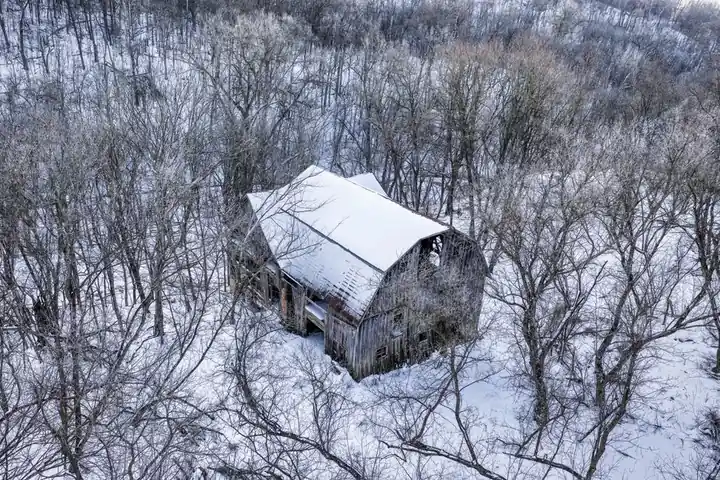
Schedule roof snow removal before snow becomes deep, dense, or difficult to clear safely-often after about 6 to 12 inches of new accumulation, sooner on a vulnerable roof or when heavy, wet snow is forecast. In Minnesota, also book before a significant thaw if snow remains on the roof, rather than waiting for water or an ice ridge to appear indoors. This guide explains how to judge depth, roof conditions, and forecasts, and when professional clearing is the safer choice. Minnesota Ice Dam Pros helps homeowners plan Ice dam removal in Minnesota and roof snow work before winter weather turns a manageable accumulation into a leak or a safety problem.
When to schedule roof snow removal in Minnesota is a weather- and roof-specific decision, not a single statewide snowfall trigger. The goal is to remove excess snow while access is safe and before warming temperatures add meltwater and refreezing to the problem.
When should roof snow be removed in Minnesota?
Minnesota homeowners should schedule roof snow removal after roughly 6 to 12 inches of accumulation, or earlier when snow is wet, drifting, or collecting on a low-slope roof. That range is a practical inspection cue, not a universal engineering limit: roof design, snow density, wind exposure, and existing ice all affect the decision.
Check your roof from the ground after each substantial snowfall, especially when multiple storms arrive within a week. A light 8-inch snowfall can weigh less than several inches of compacted, water-heavy snow, so depth alone does not tell the whole story. Look for drifting at valleys and behind chimneys, where snow often piles up beyond what you see from the driveway.
For a roof that has a history of leaks, ice dams, or uneven snow buildup, schedule a professional assessment before a major storm cycle. Our team provides Roof snow removal in Minnesota with methods suited to the roof surface and access conditions. Early planning also makes it easier to avoid last-minute calls during a widespread storm.
How much snow is too much for a residential roof?
There is no one-inch or one-foot cutoff that makes every Minnesota residential roof unsafe; a structural engineer must evaluate roof capacity, while homeowners should treat about 6 to 12 inches as a prompt to assess conditions and arrange clearing when risk factors are present. A foot of fluffy snow is not equivalent to a foot of wet, settled snow.
Snow weight varies sharply with water content. As a rough field comparison, 1 inch of fresh, dry snow can weigh around 0.5 to 1 pound per square foot, while 1 inch of wet snow can approach 2 to 3 pounds per square foot. Those figures are estimates, not a load calculation for your house; drifting and layers of old snow increase the total.
Watch for warning signs rather than climbing up to measure:
- New ceiling cracks, doors that suddenly stick, or unusual popping sounds.
- Visible sagging along a roofline or a porch, garage, or addition that collects deep drifts.
- Snow packed above roof valleys, near dormers, or along the low side of a steep roof.
- Water stains, dripping, or damp insulation that suggest meltwater is backing up.
If you notice structural movement, leave the area under the affected roof and contact a qualified building professional or emergency services as appropriate. Snow clearing is not a substitute for a structural inspection.
How weather forecasts affect roof snow removal timing
Minnesota homeowners should move roof snow clearing ahead of a forecast thaw when snow is already on the roof, especially if daytime temperatures are expected to rise above 32°F and drop below freezing again overnight. That freeze-thaw pattern can move meltwater toward cold eaves, where it can refreeze and contribute to an ice dam.
In October, it is worth setting up a simple winter routine before the first sustained snow: know which roof sections drift, identify ground-level signs of trouble, and keep a contractor's contact information handy. During winter, check the forecast after a storm rather than relying only on the snowfall total. A 5-inch wet snowfall followed by rain and a hard freeze can create more concern than a larger dry snowfall during steady cold.
Timing is also local. A stretch of wind can leave one roof face nearly bare while stacking snow behind a chimney or on a lower addition. Homeowners dealing with older rooflines and mixed elevations around Ice dam removal in Minneapolis often need to pay particular attention to valleys and attached garages, where drifting and warm-to-cold transitions can concentrate snow and ice.
Forecasts help you choose when to call, but they do not calculate your roof's capacity. If the roof carries old snow, new snow is forecast, or a thaw is approaching, arrange an inspection before the weather narrows the safe work window.
Why timing matters for ice dams and roof loads
Early roof snow removal in Minnesota reduces the amount of snow available to compact, absorb rain, or melt and refreeze at the eaves, but it does not correct the heat loss that causes many ice dams. The roof can still develop ice if warm attic air heats the upper roof while the eaves remain below freezing.
Snow clearing is most useful before an ice ridge forms and water begins backing beneath shingles. A contractor can remove snow from selected areas while protecting shingles, flashing, gutters, and roof edges. We use tools and techniques chosen for the roof rather than chopping at ice with a metal shovel, which can gouge shingles or puncture membranes.
For prevention, pair winter monitoring with attic and roof improvements when conditions allow. Air sealing ceiling penetrations and improving attic ventilation and insulation can reduce uneven roof temperatures, but those upgrades are not emergency snow removal. If water is already getting inside, roof clearing may limit additional accumulation but does not repair the leak or remove an established ice dam by itself.
That distinction matters during winter roof snow load and ice management: snow load concerns the weight bearing on the structure, while ice dams concern water backing up at the roof edge. A single storm can create both problems, so your response should match the visible risk.
Common roof snow removal mistakes to avoid
Common roof snow removal mistakes in Minnesota include waiting for a fixed snow depth, scraping shingles aggressively, and standing beneath falling snow or ice. Each mistake can turn a preventive job into roof damage or a personal injury.
Do not climb onto an icy roof with a shovel or use a ladder positioned beneath an overhang loaded with snow. Falls and falling snow are immediate hazards. Avoid salt, ice melt, or improvised heating cables unless a roofing professional confirms the product and installation suit your roof; corrosive products can damage metal components, plants, and masonry, and they do not fix the cause of ice dams.
Another mistake is clearing only the visible eaves while leaving a heavy drift above a valley or lower roof. Partial removal can leave concentrated weight in the area that matters most. We assess where snow has accumulated and clear deliberately, rather than treating the most visible edge as the whole roof.
Keep these practical rules in mind:
- Do not use a metal shovel, pick, or ice chopper on shingles.
- Do not pull snow down over people, pets, vehicles, or utility lines.
- Do not assume a roof is safe because snow has slid off one section.
- Do not ignore a ceiling stain or drip while waiting for the next storm.
Photographing visible roof changes from the ground can help you compare conditions after successive storms. Never put yourself under a sagging roofline to get a closer look.
When to call a professional for roof snow clearing
Call a roof snow removal professional in Minnesota when accumulation is heavy or wet, snow is drifting into valleys, a thaw is approaching, or you cannot reach the roof safely from the ground. A professional should also assess the situation if your home has a low-slope section, a history of ice dams, or signs of a leak.
For many homes, a roof rake can remove a limited amount of snow from the eaves while you stand on the ground, but it cannot reach every valley or safely address a deep layer. Stop if you see overhead wires, steep roof sections, unstable ladders, or snow sliding in slabs. A roof rake is a limited tool, not a substitute for professional clearing on a complex or heavily loaded roof.
When you call, tell us the approximate snow depth, whether it is wet or drifting, the roof areas affected, and whether you see interior water. Those details help our technicians plan the work. We explain the price before the job begins, and we focus on removing snow without scraping the roof covering.
Minnesota Ice Dam Pros can help you decide whether your situation calls for scheduled residential roof snow clearing, ice dam removal, or both. If an ice ridge or active leak has already developed, a timely assessment can limit further water intrusion while we address the immediate roof condition.
Frequently Asked Questions
When should roof snow be removed in Minnesota?
Arrange an assessment after about 6 to 12 inches of snow, sooner for wet snow, roof drifts, or a vulnerable roof. Clear before a forecast thaw when snow remains overhead. Snow depth is only a screening guide: roof shape, snow density, and previous accumulation all change the risk.
How much snow is too much for a residential roof?
No single depth is too much for every roof; about 6 to 12 inches is a sensible point to check conditions and consider professional clearing. Wet snow can weigh several times more per inch than light powder. If you see sagging, new cracks, or unusual sounds, leave the area and seek professional help.
Should I schedule roof snow removal before a winter thaw?
Yes, if snow remains on your roof and temperatures are forecast to rise above 32°F, scheduling before the thaw can reduce the snow available to melt and refreeze. The risk increases when temperatures fall below freezing overnight. A contractor can assess whether clearing is appropriate for your roof and conditions.
Can timely roof snow clearing help prevent ice dams?
Yes, clearing snow before meltwater reaches cold eaves can reduce one source of ice dam formation, but it cannot eliminate the risk. Uneven roof temperatures from attic heat loss can still produce dams. Keep gutters and drainage paths clear, and address attic insulation and air leaks when weather permits.
How do weather forecasts affect roof snow removal timing?
Forecasts help you schedule before wet snowfall, rain-on-snow, or a thaw followed by a hard freeze. Check for new accumulation plus daytime temperatures above 32°F and overnight temperatures below freezing. If snow is already deep or drifting, book before the weather shift rather than waiting for indoor signs of a leak.